



Why Lighting Is a Floral Game-Changer
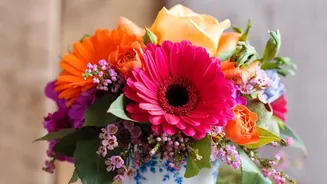
The stunning crimson roses you chose can look muddy brown, and the delicate lavender hydrangeas can appear a washed-out grey. The culprit isn't the flower; it's the light. Lighting is a critical, yet often overlooked, element of floral design that shapes
our perception of colour, texture, and form. Different light sources emit different colour spectrums, which interact with the pigments in the petals. A flower's colour is simply the light it reflects. If the light source doesn't contain much blue, for example, a blue flower will have nothing to reflect and can appear dull or dark. This is why a simple test is not just a good idea, but an essential step for success.
A Spectrum of Light, A Spectrum of Problems
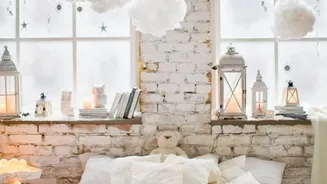
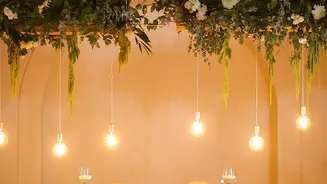
The type of lighting in your venue will dramatically alter your floral palette. Warm lighting (below 3000 Kelvin), such as incandescent bulbs or candlelight, emits a yellow-orange glow. This is wonderful for enhancing the richness of reds, oranges, and yellows, but it can make blues, purples, and even crisp whites appear muted or discoloured. Conversely, cool lighting (above 5000 Kelvin), often from LEDs or fluorescent fixtures, has a bluish tint. This can make whites and blues look vibrant but may wash out warmer tones, making them seem less lively. Even natural daylight changes, with the soft “golden hour” before sunset casting a much warmer glow than the harsh, cool light of midday. Coloured uplighting used for dramatic effect can completely change a bloom’s appearance, turning a white rose into a pink or blue one.
How to Conduct a Proper Lighting Test
A site visit with your florist is the gold standard for preventing lighting-related disappointments. Schedule a viewing at the venue at the same time of day your event will take place to see the natural light conditions. Ask the venue manager to turn on the exact lighting that will be used during your event. Bring sample stems of your key flowers and foliage. View them in the main areas where they will be displayed—the entrance, on guest tables, and near the main stage or altar. Look at them from different angles. Side lighting can enhance texture, while direct overhead light can flatten it. Take high-quality photos, as phone cameras can auto-correct colours, masking the true effect. This is your chance to see exactly how your vision will translate into reality and make any necessary adjustments before the final order is placed.
Workarounds When a Full Test Isn't Possible
If a full venue walkthrough with your florist isn't feasible, there are still ways to mitigate the risk. Start by asking the venue coordinator for the technical specifications of their lighting system, specifically the type of bulbs used and their colour temperature, measured in Kelvin. Your florist may be able to simulate these conditions in their studio. You can also ask the venue for photos from previous events held at a similar time of day. While not a perfect substitute, they can provide clues about the ambient light quality. When in doubt, choosing a more varied colour palette rather than a strictly monochromatic one can be a safer bet, as it's less likely that all the colours will be negatively affected. It’s also wise to trust your florist’s expertise; they have experience with how different blooms perform under various lighting scenarios.