





The Golden Rule: Master Your Watering
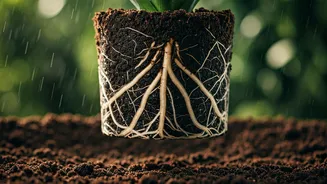
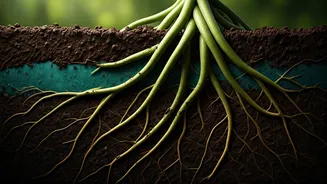
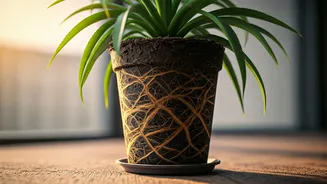
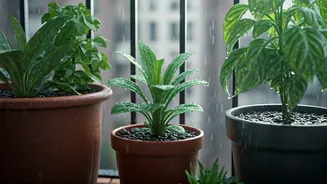
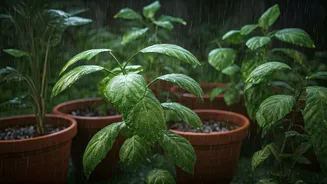
The single biggest challenge in July is water management. With the monsoon season active in many parts of India, the risk of overwatering is high. Heavy rains can easily lead to waterlogged pots, suffocating roots and causing them to rot. Before you even
think of picking up your watering can, stick a finger about two inches into the soil. If it feels moist, leave it alone. On days with heavy downpours, your plants will not need any extra water. Conversely, if you're in a region experiencing a dry, hot July, you may need to water daily, but do it early in the morning or late in the evening to minimize evaporation and prevent shocking the roots.
Ensure Excellent Drainage
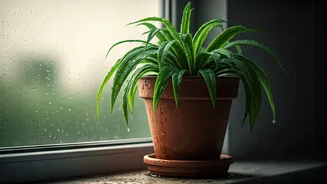
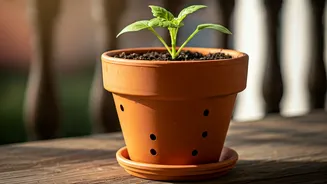
Proper drainage is non-negotiable during the rainy season. Ensure every pot has clear, unobstructed drainage holes at the bottom. A simple trick is to elevate your pots on small bricks or pot feet. This allows excess water to escape freely and prevents the base of the pot from sitting in a puddle, which is a primary cause of root rot. If your soil mix is too dense or clayey, it will retain too much moisture. Consider using a well-draining potting mix that incorporates materials like cocopeat, sand, or perlite to improve aeration and prevent sogginess.
Combat Pests and Fungal Foes
High humidity and damp conditions create a perfect breeding ground for pests and fungal diseases. Powdery mildew, leaf spot, and various fungal infections are common in July. Keep a close eye on your plants, inspecting them regularly for signs of trouble like white powdery coatings or dark spots on leaves. To stay ahead of these issues, promote good air circulation by not overcrowding your plants. A preventive spray of neem oil solution every 10-15 days can be an effective organic method to deter both pests and fungi. Promptly removing any dead leaves or debris from the pots also helps reduce the risk.
Manage Sunlight and Shelter
July's weather can be unpredictable. On one hand, prolonged cloudy days can reduce the light available to sun-loving plants. On the other, sudden bursts of intense sun can scorch leaves. For plants like bougainvillea, hibiscus, and marigolds that need plenty of light, ensure they are in the brightest spot on your balcony. However, during torrential downpours and strong winds, it's wise to move more delicate plants to a sheltered spot to prevent physical damage. Taller plants might need staking to provide extra support against strong monsoon winds.
Pruning and Feeding with Care
The monsoon is a period of vigorous growth for many plants, making it an excellent time for pruning. Trimming away dead or yellowing leaves and overgrown branches not only keeps your plants looking tidy but also improves air circulation and encourages healthier, bushier growth. When it comes to fertilizers, less is more during the rainy season. Heavy rains can wash away chemical fertilizers before the plant can absorb them. Instead, opt for a light top dressing of organic compost or vermicompost every few weeks. Plants can absorb these nutrients more readily in the cool, moist conditions. Avoid heavy fertilizing, as this can stress the plants.