






The Great Digital Unlocking
The single biggest catalyst for this shift is the digital revolution. Widespread smartphone penetration and affordable data have connected millions of consumers in Tier 2 and Tier 3 cities to the world of e-commerce. Platforms like Nykaa, Amazon, and Flipkart
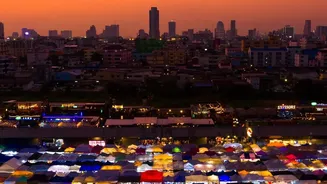
have effectively erased the geographical barriers that once limited access to premium and niche beauty brands. Now, a shopper in Guwahati or Lucknow has the same access to international and direct-to-consumer (D2C) brands as someone in Mumbai or Delhi. This has solved the fundamental problem of availability. E-commerce now accounts for a significant portion of total cosmetic sales in India, with platforms specifically targeting this expanding consumer base. Major online marketplaces report that a majority of their beauty demand, sometimes over 50%, now originates from non-metro areas, from cities like Thrissur, Patiala, and Cuttack.
From Access to Aspiration
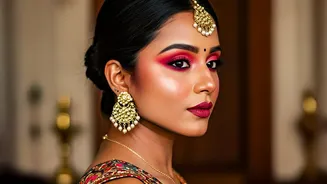
This transformation isn't just about logistics; it's about a fundamental change in mindset. Social media platforms like Instagram and YouTube have become the new storefronts and beauty magazines for a generation of digitally savvy shoppers. Regional influencers and content creators are building trust and shaping trends in vernacular languages, making beauty more relatable and accessible. Consumers are no longer just passive buyers; they are active researchers, comparing products, reading reviews, and learning about ingredients like pigmentation solutions and sun protection. This has democratized beauty knowledge, enabling shoppers in smaller towns to become just as informed and trend-aware as their metro counterparts. The rise of Korean and Japanese beauty trends, for instance, is a phenomenon seen across both urban and non-urban markets, fueled by online content.
How Brands Are Responding
This evolving consumer landscape is forcing brands to rethink their strategies. The old model of focusing solely on metro markets is no longer viable. Direct-to-consumer (D2C) brands have been particularly agile, using digital marketing to reach these new audiences directly, often with more accessible price points and products tailored to Indian needs. Legacy brands and large retailers are also pivoting. They are expanding their offline presence in Tier 2 and 3 cities, recognizing that physical stores still play a crucial role in building trust. Furthermore, brands are adapting their product strategies, offering smaller pack sizes or value-driven bundles to encourage trial and experimentation among a more cautious, value-oriented consumer base. Logistics and fulfilment are also being re-engineered to ensure faster and more reliable delivery to scattered pin codes, a key factor in winning customer loyalty in these regions.
More Than a Shopping Trend
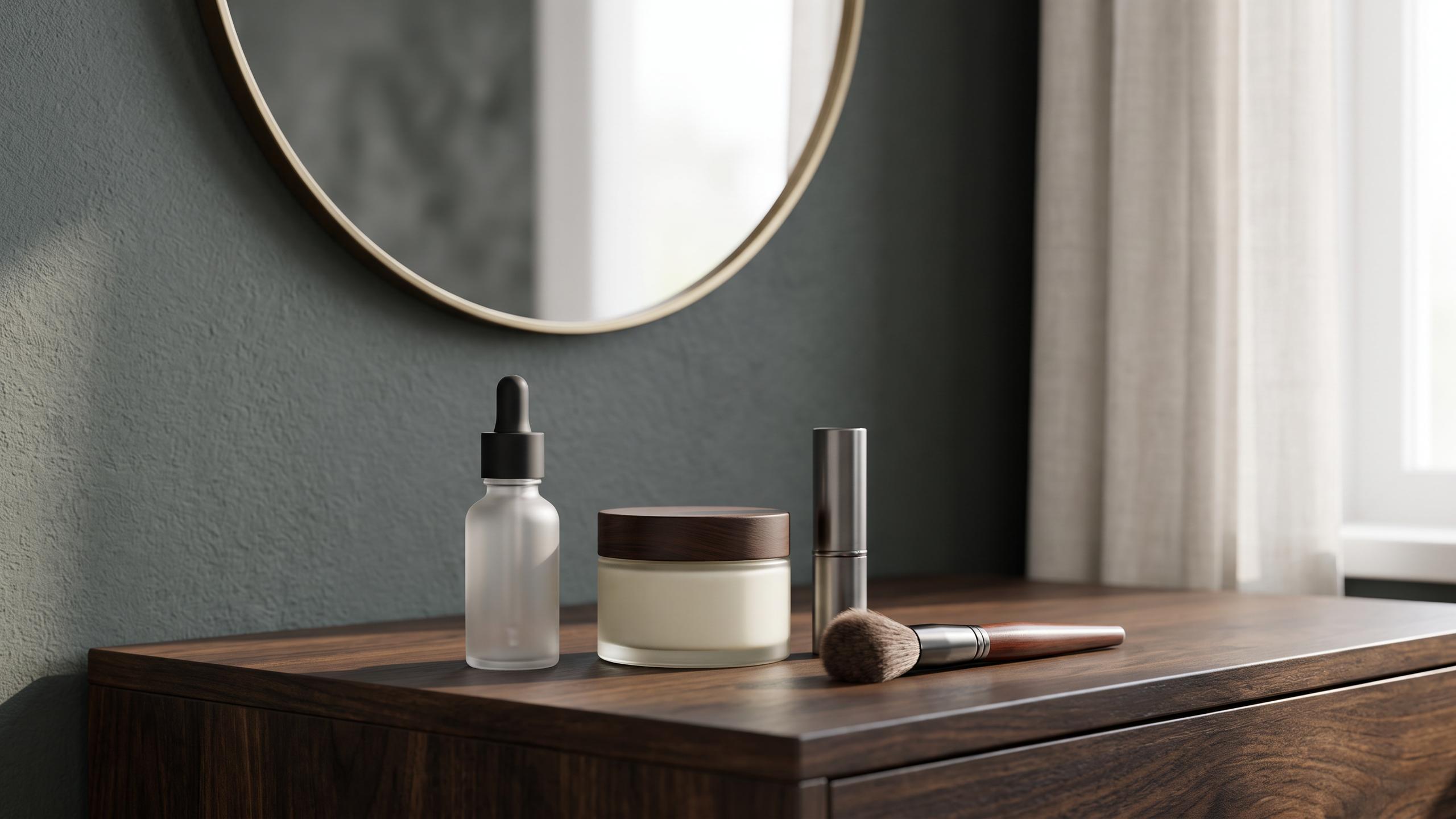
The growing influence of non-metro beauty shoppers signifies more than just a retail shift. It reflects broader economic and social changes. Rising disposable incomes and a growing middle class in these regions are turning discretionary spending on beauty into a more regular part of household budgets. This trend of 'premiumisation', where consumers trade up to higher-quality products, is growing faster in rural and non-metro areas than in big cities. This indicates a rise in consumer confidence and a desire for a better lifestyle. Men's grooming is another fast-growing segment, with searches for products like face wash and sunscreen for men surging in these markets. Ultimately, the rise of this consumer base signals a more economically integrated and digitally fluent India, where aspirations and purchasing power are no longer confined to a handful of urban centers.