
Why Millets are a Sweet Revolution
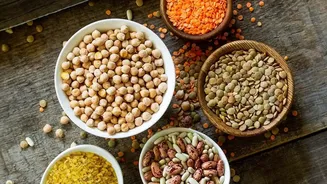
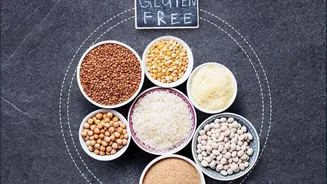
For generations, Indian sweets have relied on refined flour and sugar. Millets offer a wholesome alternative packed with nutrients. Grains like Ragi (finger millet), Jowar (sorghum), Bajra (pearl millet), and Kangni (foxtail millet) are naturally gluten-free
and rich in fibre, protein, and essential minerals like calcium and iron. Their low glycemic index means they release sugar into the bloodstream slowly, preventing the sharp spikes associated with refined ingredients and providing sustained energy. This makes them an excellent choice for managing blood sugar levels and promoting better digestive health, allowing for guilt-free indulgence during celebrations.
Reinventing the Laddoo with Ragi
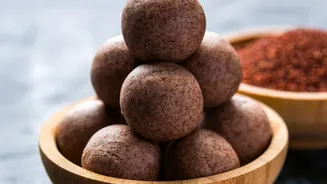
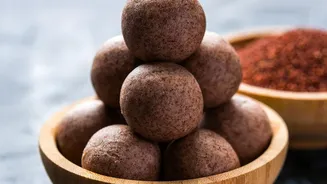
Ragi laddoos are a perfect starting point for your healthy sweet journey. Ragi flour has an earthy, slightly sweet flavour and is exceptionally high in calcium. To make these nutritious treats, begin by dry-roasting ragi flour in a pan on low heat for 8-10 minutes until it releases a pleasant aroma; this step is crucial to remove any raw taste. For binding and sweetness, skip the refined sugar and opt for powdered jaggery, which also provides iron. Melt a little ghee and combine it with the roasted flour, jaggery, a pinch of cardamom powder, and a handful of chopped nuts like almonds or walnuts. The moisture from the jaggery and ghee should be enough to help you roll the mixture into firm, delicious laddoos. These treats are not only tasty but also incredibly nourishing.
Crafting Creamy Kheer with Foxtail Millet
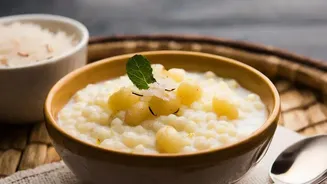
Traditional rice kheer can be easily reimagined using whole millets like foxtail millet (thinai or kangni). This grain gives the kheer a wonderful creamy texture and a subtle nutty flavour. The key to a great millet kheer is to soak the grains for at least a few hours, or preferably overnight, which softens them and reduces cooking time. After soaking, cook the millet in water until soft and fluffy. Then, add milk and let it simmer on low heat, allowing the grains to absorb the liquid and thicken the kheer naturally. Sweeten it with grated jaggery, which dissolves easily and adds a caramel-like depth. Finish with a touch of saffron, cardamom, and ghee-roasted cashews and raisins for a truly festive dessert.
Tips for Perfect Millet Mithai
Cooking with millets is simple, but a few tips can ensure success. Always roast millet flours like ragi or bajra on a low flame until aromatic to eliminate any raw smell. When making kheer with whole millets, soaking is a non-negotiable step for a creamy, well-cooked result. When substituting jaggery for sugar, remember that some varieties can curdle hot milk, so it's often best to add the jaggery after taking the kheer off the heat or to use a jaggery syrup. Don't be afraid to experiment with different millets; jowar offers a mild flavour, while bajra is nuttier and heartier, making it great for winter sweets.
Beyond Laddoos and Kheer
Your millet journey doesn't have to stop at laddoos and kheer. These versatile grains can be used to prepare a wide variety of Indian sweets. You can make halwa using ragi or foxtail millet flour, creating a rich and dense dessert that is both delicious and gluten-free. Other possibilities include millet barfis, modaks, and even sweet pongal. By replacing refined grains with these wholesome alternatives, you can add a nutritious punch to all your festive preparations, ensuring that celebrations are both joyous and healthy.