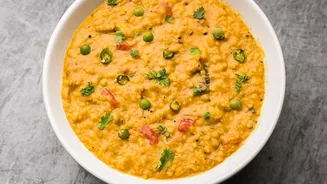





The tradition of using masoor dal for brighter skin is passed down through generations. But while this humble lentil is a kitchen staple, can a homemade face pack truly tackle serious skin concerns like a medical treatment?
The Enduring Appeal of Kitchen Skincare
For generations, masoor dal,
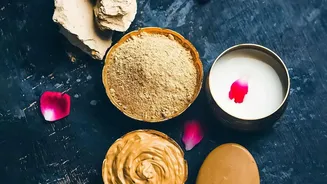
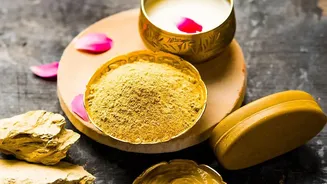
or red lentil, has been a cornerstone of at-home beauty rituals in India. Ground into a paste, often with milk or rose water, it’s celebrated as a natural solution for glowing skin. Its popularity stems from its accessibility and perceived benefits: it’s known to act as a gentle physical exfoliant, help with surface tan removal, and absorb excess oil. Many sources claim it can brighten the complexion, cleanse impurities, and leave the skin feeling smooth. This tradition of using kitchen ingredients is comforting and affordable, offering a sense of control over what we put on our skin. However, the line between a pleasant skincare ritual and an effective medical solution is often blurred.
What Can a Face Pack Realistically Do?
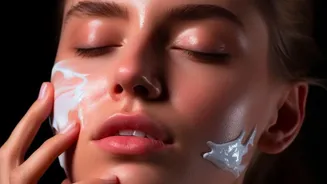
A homemade masoor dal face pack primarily works on the epidermis, the outermost layer of the skin. When the ground lentils are applied and gently scrubbed off, they can slough away dead skin cells, which helps improve texture and can give the skin a temporary glow. Its absorbent properties can help manage oiliness for those with oily or combination skin. Some proponents also mention its antioxidant and vitamin content as beneficial. However, these effects are superficial and temporary. A face pack can cleanse and provide mild exfoliation, but it does not penetrate deep enough to address issues rooted in the lower layers of the skin or those caused by internal factors like hormones.
The Crucial Difference with Medical Treatments
This is where medical skincare treatments fundamentally differ. While terms like 'medical-grade' can sometimes be marketing speak, they generally refer to products and procedures that are backed by clinical research and formulated to create significant, long-term changes in the skin. These treatments work at a cellular level. Medical skincare aims to treat specific conditions at their root, not just manage surface symptoms. Unlike a DIY pack, medical treatments contain higher concentrations of active ingredients like retinoids, peptides, and acids that are proven to be effective for concerns like acne, hyperpigmentation, and aging. They are designed to penetrate deeper into the skin to repair and rejuvenate from within. Procedures like chemical peels, laser therapy, and prescription medications are administered by professionals because they are powerful enough to alter skin function and require expert oversight.
Potential Risks of DIY Skincare
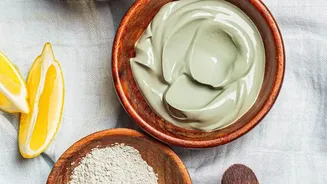
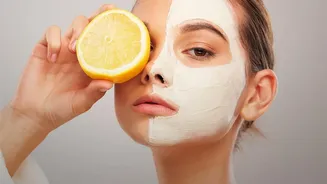
While masoor dal is natural, 'natural' does not always mean risk-free. One of the main concerns with any DIY preparation is the lack of a sterile environment, which can introduce bacteria to your skin and potentially cause breakouts or infections. Furthermore, the texture of ground lentils can be abrasive if not milled finely enough, leading to overexfoliation. This can damage the skin barrier, causing redness, irritation, and increased sensitivity. Often, recipes suggest mixing in other ingredients like lemon juice, which is highly acidic and can disrupt the skin’s pH balance and cause photosensitivity, making your skin more vulnerable to sun damage. Anyone with active acne, cuts, or very sensitive skin should be particularly cautious.
When to See a Dermatologist
Enjoying a masoor dal face pack as a weekly ritual for a bit of brightening and cleansing is perfectly fine for many. But it’s crucial to know when to seek professional help. If you're dealing with persistent or severe skin issues, a homemade remedy will not suffice. It's time to book an appointment with a dermatologist if you experience: persistent acne that doesn't respond to overthecounter treatments, painful cysts, or significant scarring. Any new or changing moles should be checked immediately to rule out skin cancer. Rashes that last for weeks, spreading redness, or sores that won't heal also require a medical diagnosis. A dermatologist can provide an accurate diagnosis and create a targeted treatment plan with clinically proven therapies that a DIY pack simply cannot replicate.