






The Rise of Plant-Powered Recovery
As more people focus on fitness and wellness, the search for effective, natural ways to support muscle recovery is on the rise. While whey and casein have long dominated the conversation, plant-based proteins are now recognised as highly effective alternatives
for muscle repair and growth. After exercise, muscles need protein to rebuild torn fibres and become stronger. Plant sources not only provide this crucial macronutrient but also come with a host of other benefits like fibre, vitamins, and minerals, often with fewer inflammatory properties than some animal-based counterparts. Among the standouts in the plant kingdom are two unassuming heroes: pumpkin seeds and edamame.
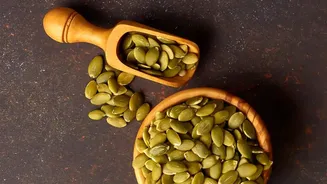
Pumpkin Seeds: The Mineral-Rich Powerhouse
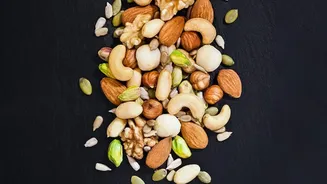
Often just a byproduct of pumpkin carving, these small seeds are one of the most nutrient-dense foods you can eat. A single 28-gram serving contains around 7-8.5 grams of protein, making them a substantial addition to any diet. But their power extends far beyond protein. Pumpkin seeds are one of the best natural sources of magnesium, a mineral critical for muscle function, relaxation, and preventing cramps. A single serving can provide nearly half of your daily magnesium needs. They are also rich in zinc, which plays a vital role in cell growth and repair, as well as iron, which helps transport oxygen to tired muscles. The healthy fats and antioxidants in pumpkin seeds further help combat inflammation, speeding up the recovery process.
Edamame: The Complete Protein Champion
Edamame, which are immature soybeans, are a staple in Asian cuisine and a powerhouse of nutrition. What makes edamame exceptional in the plant world is that it is a 'complete protein'. This means it contains all nine essential amino acids that the body cannot produce on its own, which are required to build and repair muscle tissue effectively. For comparison, a single cup of cooked, shelled edamame can provide around 18 grams of high-quality protein, similar to some animal-based sources. Beyond protein, edamame is packed with fibre for digestive health, iron for energy, and folate, which is essential for cell repair. Its versatility makes it an easy addition to meals, providing a substantial protein boost without much effort.
A Tale of Two Powerhouses
While both foods are excellent for recovery, they serve slightly different roles. Edamame's complete amino acid profile makes it an ideal core component of a post-workout meal, providing everything your muscles need to rebuild in one go. Pumpkin seeds, while not a complete protein on their own, offer a unique and dense concentration of minerals like magnesium and zinc that are specifically targeted toward muscle function and repair. Think of edamame as the primary builder and pumpkin seeds as the essential support crew that provides the tools and lubrication for the job. Eaten together, they offer a complementary and powerful boost to your recovery efforts. A salad topped with both edamame and pumpkin seeds, for instance, covers a wide spectrum of nutritional needs.
Easy Ways to Fuel Your Recovery
Incorporating these two foods into your diet is simple and delicious. Keep a bag of frozen, shelled edamame on hand to steam as a quick snack, sprinkled with a little sea salt. You can also toss edamame into salads, stir-fries, and grain bowls for an instant protein lift. Pumpkin seeds are even easier to use. Eat them raw or roasted as a standalone snack. Sprinkle them over your morning yogurt, oatmeal, or avocado toast. They also make a fantastic crunchy topping for soups and salads, replacing less nutritious croutons. You can even blend them into smoothies or homemade dips like pesto or hummus for a hidden nutritional boost.