


The Sheer Scale of the Gig Economy
India's gig economy is colossal. NITI Aayog estimated that 7.7 million people were engaged in gig work in 2020-21, a number projected to swell to 23.5 million by 2029-30. [11, 28] A massive slice of this workforce is in last-mile delivery and ride-hailing,
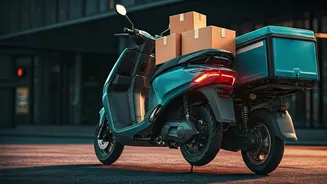
powered by platforms like Zomato, Swiggy, Blinkit, Uber, and Ola. For these millions of workers, who often cover 100-150 kilometres daily, their vehicle is not just a mode of transport; it's their primary tool for earning a livelihood. [4, 11] The operational cost of this tool, particularly fuel, directly impacts their take-home income. [4, 13]
The Economic Case for Going Electric
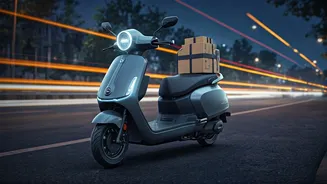
The switch to electric is, first and foremost, a story of economics. With fluctuating petrol prices eating into earnings, the lower running cost of an electric vehicle is a powerful incentive. [10, 11] While a petrol scooter can cost ₹1 to ₹3 per kilometre to run, an EV's electricity cost can be as low as ₹0.30 to ₹0.50 per kilometre. [21] For a delivery partner, this can translate into monthly savings of ₹4,000 to ₹6,500 on fuel alone. [13, 21] In many cases, these savings are substantial enough to cover the entire monthly EMI for the EV, making the vehicle effectively pay for itself. [21] This simple calculation is the core reason why a reported 75% of delivery workers have already switched to or are considering EVs. [9] For the platforms, this shift means a more stable, predictable, and ultimately more profitable partner ecosystem.
Corporate Fleets Lead the Charge
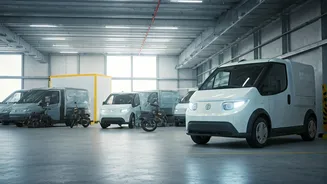
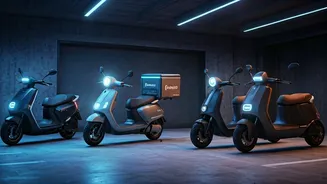
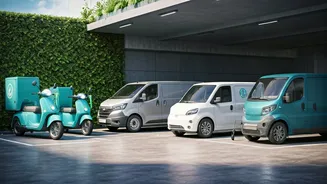
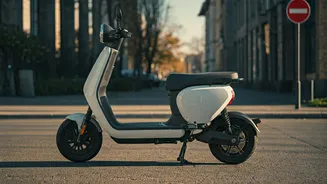
Major delivery and e-commerce platforms have recognised this synergy and are aggressively pushing for electrification. Zomato and Swiggy have both committed to transitioning to a 100% electric delivery fleet by 2030. [3, 17, 18] To achieve this, they are partnering with EV manufacturers and fleet operators. Zomato recently launched a pilot in Delhi with 300 rental e-bikes for its partners, aiming to make EVs more accessible without the high upfront cost. [17, 19] Swiggy has announced numerous partnerships, including with Bounce Infinity, to deploy electric scooters for its delivery partners at special prices. [2, 3, 6] These initiatives are not just about sustainability; they are a strategic move to lower operational costs for riders, thereby creating a more efficient and loyal network. [6]
Overcoming the Roadblocks
The transition isn't without its bumps. The biggest hurdle for individual gig workers is the high upfront cost of an EV, which can be 1.5 to 2 times that of a comparable petrol vehicle. [10, 24] Many workers lack the formal credit history required by traditional banks for loans. [10, 22] This has created an opening for new-age NBFCs and fintech lenders who assess creditworthiness based on platform payout history instead of salary slips. [21, 22] Another major challenge is 'range anxiety' and charging downtime. [9, 29] A rider can't afford to be off the road for hours waiting for a battery to charge. [11] This has fueled the rise of Battery-as-a-Service (BaaS) models, with companies like Battery Smart building networks of swapping stations where a depleted battery can be exchanged for a fully charged one in minutes. [4, 12, 14]
A Symbiotic Future
The relationship between gig workers and EVs is deeply symbiotic. The high-mileage, predictable routes of delivery workers make them the perfect user base to drive the adoption and economic viability of EVs and related infrastructure like battery swapping. [28] In turn, electric vehicles offer these workers a path to significantly higher net earnings and greater financial stability. [10, 13] Models like EV-as-a-Service (EVaaS), which bundle the vehicle, charging, maintenance, and insurance into a single subscription, are lowering the entry barriers for new workers to join the gig economy without the burden of ownership. [4] This powerful combination of corporate targets, worker economics, and innovative business models is ensuring that the path to India's electric future is being paved, one delivery at a time.