






The Search for Authenticity
For years, Indian tourism has been synonymous with iconic circuits like the Golden Triangle or the beaches of Goa. While these destinations are popular for a reason, a growing fatigue with overcrowding and a desire for more authentic, unique experiences
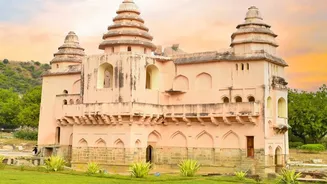
have set the stage for a change. Modern travellers are no longer content to simply see the sights; they want to immerse themselves in local culture, discover untold stories, and create a journey that is truly their own. This shift in mindset has created a demand for destinations that lie off the beaten path, away from the selfie sticks and long queues.
Your Smartphone, The New Travel Agent
The single biggest catalyst for this change is the device in your pocket. The smartphone, powered by affordable data, has democratised travel planning. Where once travellers relied on guidebooks and agents, they now turn to a suite of digital tools. Visually-driven platforms like Instagram and YouTube have become the primary source of inspiration. A recent survey showed that a staggering 72% of Indian travellers discover new, offbeat destinations through Instagram Reels and other short-form videos. This digital word-of-mouth is proving far more influential than traditional advertising.
From Hashtags to Homestays
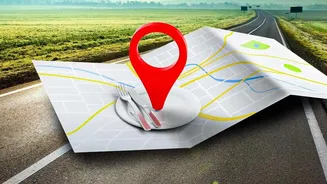
The journey from inspiration to booking is now seamless. A traveller might see a breathtaking video of Ziro Valley in Arunachal Pradesh or a serene homestay in a remote part of Kerala. Through hashtags, geotags, and links in bio, they can instantly find the exact location, read reviews from other travellers, and even book their accommodation and transport. Travel influencers play a huge role in this ecosystem, building trust with their audience and showcasing lesser-known places in a relatable way. This direct line from discovery to planning empowers people to venture into areas that were previously considered too remote or difficult to access.
AI and Hyper-Personalised Itineraries
Beyond social media, Artificial Intelligence is adding another layer of sophistication to travel planning. The question is shifting from "where should I go?" to "what do I want to experience?". AI-powered tools, including those integrated into major search platforms and specialised apps like ChatGPT, are helping travellers build trips around their interests. A user can input a desire for "quiet mountain retreats with good hiking" and receive personalised suggestions that go far beyond the obvious hill stations. Recent data shows 61% of Indian travellers have used AI to help plan a trip, using it to create customised itineraries and discover unique activities.
Spreading the Benefits of Tourism
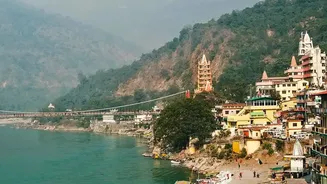
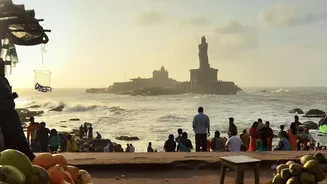
This digital-first approach is not just changing how individuals travel; it's reshaping India's tourism landscape. By highlighting hidden gems, from the river island of Majuli in Assam to the quiet coastal towns of Karnataka, digital tools are helping to distribute tourist traffic more evenly across the country. This has a significant economic impact, bringing revenue and opportunities to local communities, small business owners, boutique hotels, and artisans who were previously overlooked by the mainstream tourism industry. As travellers seek more meaningful connections, they are directly supporting the economies of these emerging destinations.