






Understanding Batik's Rich Heritage
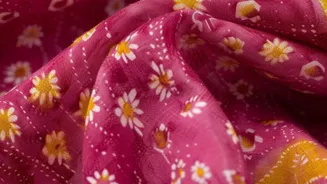
Before styling, it helps to appreciate the craft. Batik is an ancient art form of wax-resist dyeing, most famously perfected in Java, Indonesia, but with deep roots and variations across Asia, including India. Artisans use wax to draw intricate patterns
on fabric, which is then dyed. The wax resists the dye, and once removed, it reveals a beautiful, often crackled, design. This technique flourished in Indian regions like Gujarat and West Bengal, where local artisans developed unique motifs. Choosing a Batik runner means you're not just decorating; you're bringing a piece of cultural history and handmade artistry into your home.
Choosing the Perfect Runner
The first step is selection. For a coffee table, proportion is key. A runner that covers roughly two-thirds of the table's length often looks most balanced, avoiding a cluttered feel. Consider the material; cotton and linen are practical and durable choices for daily use, while silk adds a luxurious sheen for a more formal setting. The pattern's scale also matters. A large, bold pattern can serve as a focal point in a minimalist room, while a smaller, more intricate design adds texture without overwhelming a space that already has other patterns. Finally, look at the colour palette. Batik offers everything from deep indigos and earthy browns to vibrant florals. Choose colours that either complement or offer a striking contrast to your existing decor.
The Art of Placement and Layering
How you place the runner sets the stage. The classic method is to lay it lengthwise down the centre. This provides a visual spine for your decor. For a modern twist on a rectangular table, you can also place it crosswise. Once placed, the secret to an elegant look is layering. A tray made of wood, brass, or lacquer placed on top of the runner can corral smaller items and add another layer of texture. It creates an intentional, organised look and prevents small decor pieces from looking lost on the pattern. This foundation makes the entire arrangement feel more cohesive and professionally styled.
Accessorising for Artisanal Elegance
With your runner and tray in place, it's time to accessorise. The 'rule of three' is a designer's go-to principle, suggesting that items grouped in odd numbers are more appealing to the eye. Try combining three objects of varying heights: something tall, like a slender vase with a single stem; something low, like a decorative bowl or a stack of books; and something with a soft shape, like a candle. Use the runner as a base for these decorative objects, but don't cover it completely. The goal is to let the beautiful Batik pattern breathe and interact with the items you place on it, creating a balanced and engaging vignette.
Creating Harmony in the Room
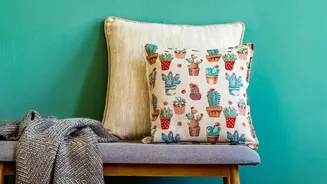
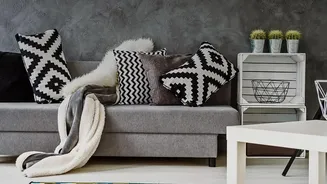
To ensure your styled coffee table feels harmonious with the rest of the living room, balance is crucial. If your Batik runner is bold and colourful, balance it with solid-coloured elements elsewhere, such as neutral sofa cushions or a plain throw blanket. This gives the eye a place to rest and allows the runner to be the star. Mixing textures also adds depth. Pair the cotton or silk of your runner with the roughness of a jute rug, the smoothness of a ceramic vase, and the warmth of a wooden side table. This textural play makes a room feel richer and more curated, preventing the pattern from feeling flat or out of place in the overall scheme.