

The End of an 11-Hour Ordeal
For decades, reaching Srinagar from Jammu meant a grueling road trip on National Highway 44. This 270-kilometre journey was a test of patience, often taking anywhere from eight to eleven hours. The route is notoriously unpredictable, subject to frequent
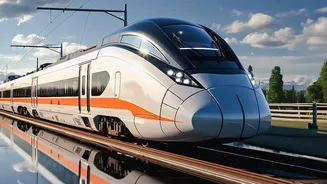
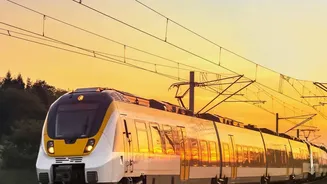
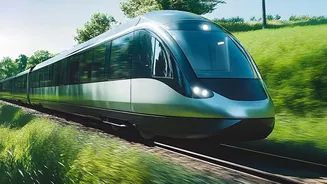
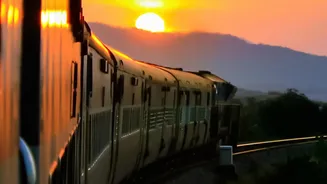
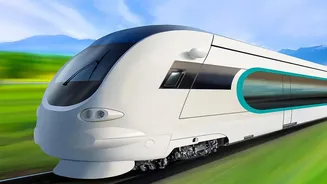
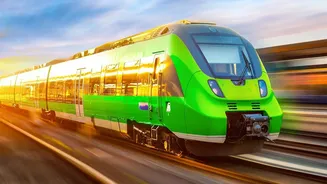
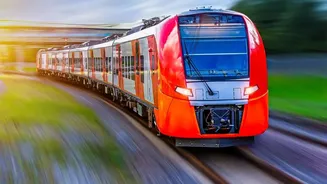
disruptions from landslides, especially around Ramban, and heavy snowfall that can shut down the Jawahar Tunnel for days in winter. This made planning a short trip, particularly a weekend getaway, a significant gamble. The new Vande Bharat Express completely changes this narrative. By slashing the travel time between Jammu Tawi and Srinagar to approximately 4 hours and 50 minutes, it provides a reliable, all-weather alternative that turns a day-long ordeal into a comfortable half-day ride.
What a Weekend Trip Now Looks Like
The new train schedule makes a weekend in the Valley feasible for tourists from across North India. A traveler could board the Vande Bharat Express (Train 26401) from Jammu Tawi at 6:20 AM and arrive in Srinagar by 11:10 AM, with breakfast served on board. This leaves the entire afternoon and evening for sightseeing in Srinagar, perhaps a shikara ride on Dal Lake or a visit to the Mughal gardens. After spending a full day exploring on Saturday and Sunday morning, they can catch the return train (26402) from Srinagar at 2:00 PM, reaching Jammu by 6:50 PM. This efficient timeline transforms Kashmir from a destination requiring a week of travel into an accessible weekend retreat.
An Engineering Marvel Through the Himalayas
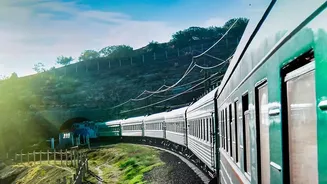
This remarkable journey is possible thanks to the Udhampur-Srinagar-Baramulla Rail Link (USBRL), one of India's most ambitious infrastructure projects. The 272-kilometre line navigates the treacherous Himalayan terrain with an array of bridges and tunnels. The two most stunning features are the Chenab Rail Bridge and the Anji Khad Bridge. Standing 359 meters above the riverbed, the Chenab Bridge is the world's highest railway arch bridge, taller than the Eiffel Tower. The Anji Khad Bridge is India's first cable-stayed railway bridge. These engineering feats are not just about connectivity; they are tourist attractions in themselves, offering breathtaking views as the train glides through the mountains.
A Boost for Tourism and Local Livelihoods
The arrival of the Vande Bharat is a game-changer for Kashmir's economy. The ease, speed, and affordability of the train are expected to significantly boost tourism, especially during winter when road access is limited. Tour operators and hoteliers are already reporting a surge in bookings and a new trend of weekend tourists. This influx of visitors directly supports local livelihoods, from houseboat owners and handicraft sellers to restaurants and taxi drivers. Furthermore, the railway provides a reliable channel for transporting Kashmir's famed agricultural products, like apples and saffron, and artisanal goods, such as pashmina shawls, to markets across the country, reducing spoilage and increasing profits for farmers and artisans.
Comfort, Cost, and Convenience
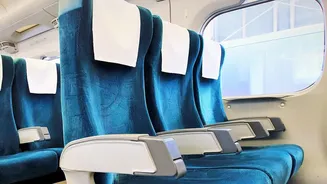
The Vande Bharat Express is designed for comfort, a stark contrast to the bumpy road journey. The specially-designed train features heated, air-conditioned coaches with large windows and 180-degree rotatable seats, allowing passengers to soak in the stunning scenery. The service runs six days a week, with fares for the AC Chair Car (CC) starting around ₹855 and the Executive Chair Car (EC) at higher price points, inclusive of catering. This makes it a cost-effective option compared to flights, which can be expensive, or the combined cost of fuel, tolls, and potential overnight stays associated with driving. The high demand since its launch, with tens of thousands of passengers in the first few weeks, underscores its popularity as the new preferred mode of travel to the Valley.