






Embrace the Kitchen Scale
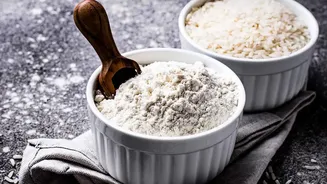
The single most significant step toward baking consistency is trading your measuring cups for a digital kitchen scale. Baking is science, and volume is a notoriously unreliable way to measure dry ingredients. A cup of flour can vary in weight by as much
as 20-30% depending on how you scoop it—whether it's packed down, sifted, or spooned lightly into the cup. This variance is often the difference between a dry, crumbly cookie and a perfectly chewy one. Professional kitchens and bakeries rely on weight because a gram is always a gram, ensuring the ratio of flour, sugar, and fat is precise every single time. Using a scale not only makes your results more predictable but also simplifies cleanup. You can measure all your ingredients directly into a single mixing bowl, taring the scale to zero after each addition.
Know Thy Oven
Your oven’s temperature dial can be misleading. Many home ovens don't run at the exact temperature you set them to; they can be off by 15, 25, or even 50 degrees. This discrepancy can lead to cakes that are raw in the middle but burnt on top, or bread that fails to rise properly. To diagnose this, invest in an inexpensive oven thermometer. Place it in the center of your oven, preheat to 350°F (175°C), and wait at least 20-30 minutes. If the thermometer reading is significantly different from the set temperature, you've found a major source of inconsistency. Many modern ovens have a calibration feature that allows you to adjust the temperature settings yourself—consult your user manual for instructions. Knowing your oven's true temperature empowers you to adjust recipes or the oven itself for better, more even baking.
Temperature Matters—for Ingredients Too
Recipes often specify ingredient temperatures for a reason. Terms like “room temperature butter,” “softened cream cheese,” or “cold water” are not casual suggestions; they are crucial for texture and structure. For example, creaming softened butter with sugar creates tiny air pockets that leaven cakes and cookies, giving them a light, tender texture. If the butter is too cold, it won't incorporate air properly. If it's melted, the emulsion can break, resulting in greasy, dense bakes. Similarly, cold butter is essential for creating the flaky layers in pie crusts and pastries. Even the temperature of eggs can affect how well a batter emulsifies. Using ingredients at the temperature specified in the recipe is a simple but critical habit for achieving consistent results.
Not All Ingredients Are Equal
Even with perfect measurements, variations between ingredient brands can affect the outcome. Different brands of all-purpose flour, for instance, have varying protein contents, which impacts gluten development, texture, and moisture absorption. European-style butter has a higher fat content than most standard American butter, which can make pastries richer but also more delicate. The size of your eggs matters, too; most recipes are developed using large eggs, so using medium or jumbo can throw off the liquid balance. Even salt varies—a teaspoon of fine table salt is much saltier than a teaspoon of coarse sea salt. While you don't need to overthink every item, being aware of these differences can help you troubleshoot. If a recipe consistently fails, consider if a specific ingredient, like your brand of flour, might be the variable.
Standardize Your Tools
The pan you bake in also plays a vital role. The material, color, and size of your bakeware all influence how things cook. Dark-colored metal pans absorb more heat and can cause the bottom and edges of your bakes to brown too quickly. Glass pans are poor conductors of heat and often require a lower oven temperature. Using a 9-inch round pan when the recipe calls for an 8-inch one will result in a thinner layer that bakes faster and may turn out dry. To gain more consistency, try to use the specific pan size called for in a recipe. This standardization reduces another significant variable, allowing you to focus on your technique and enjoy the creative side of cooking without worrying if your equipment is sabotaging your efforts.