





The New Himalayan Highway
For decades, McLeod Ganj was a name synonymous with spiritual retreat and rugged trekking. The home of the Dalai Lama in exile, it drew backpackers, seekers, and adventurers looking to disconnect. Today, the story is different. On any given long weekend,
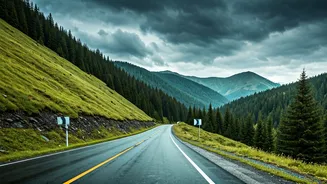
the narrow roads leading into town are choked with cars bearing number plates from Delhi, Punjab, and Haryana. The once-arduous journey has become a manageable overnight drive for millions, turning the tranquil abode in the Dhauladhar range into an easily accessible extension of the city.
From Triund Treks to Tent Parties
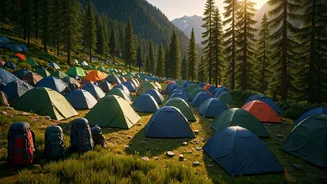
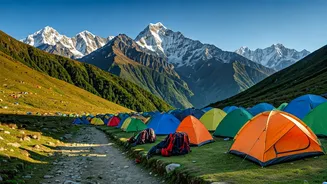
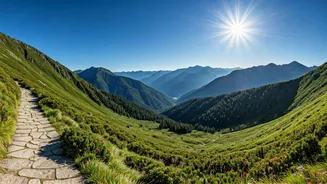
The most visible change is in the camping culture, particularly on the famed Triund trek. What was once a challenging hike rewarded with pristine views and starry nights has, in many ways, become an outdoor festival. Campsites that dot the hillsides now offer pre-pitched tents packed tightly together, catering to a new wave of tourists seeking an ‘experience’ without the effort. The vibe has shifted from quiet contemplation of nature to loud music, bonfires, and a party-like atmosphere that often lasts late into the night. The solitude that trekkers once sought is now a rare commodity, replaced by the very noise and crowds they sought to escape.
The Strain on Fragile Hills
This massive influx is placing an unsustainable burden on the region's fragile ecosystem. The most immediate problem is waste. Trails are increasingly littered with plastic bottles, food wrappers, and other non-biodegradable trash left behind by casual tourists. Local environmental groups and volunteers conduct regular cleaning drives, but they are fighting a losing battle against the sheer volume of garbage. Beyond trash, the strain on local resources like water is immense. Unregulated construction of guesthouses and makeshift campsites to meet the booming demand further destabilises the hillsides, increasing the risk of landslides in a region already prone to them. The ecological cost of this unchecked tourism is becoming alarmingly clear.
A Double-Edged Sword for Locals
For the local economy, the tourist boom is a complex blessing. Shopkeepers, taxi drivers, and hotel owners are witnessing unprecedented business. After years of pandemic-induced uncertainty, the financial relief is welcome. However, many residents feel the cultural fabric of their home is fraying. The Gaddi shepherds who have used these lands for generations are being pushed out. The traditional, slower pace of life is clashing with the fast-paced, high-demand culture of the city tourists. Some local business owners report a shift in customer expectations, with demands for urban conveniences that the mountains cannot, and perhaps should not, provide. The economic gain comes at the cost of peace, sustainability, and identity.
The Future of the Hills
This phenomenon isn't unique to McLeod Ganj; it’s a story playing out across accessible Himalayan destinations in Himachal Pradesh and Uttarakhand. It is driven by a potent mix of ‘revenge travel’ post-lockdowns, the rise of ‘work-from-hills’ culture, and the aspirational travel narratives peddled on social media. While authorities have attempted some regulations, such as capping the number of daily trekkers to Triund in the past, enforcement remains a significant challenge. The desire for quick, easy, and ‘Instagrammable’ getaways is powerful, and the infrastructure is struggling to cope.