




The Abode of Clouds Reimagined
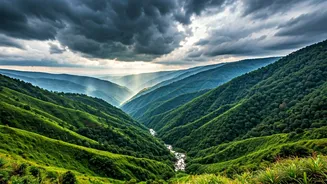
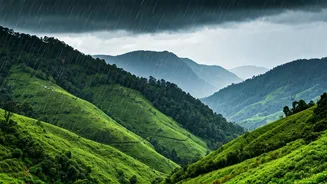
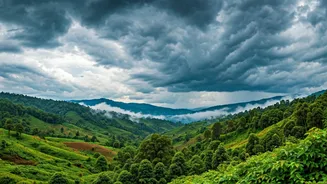
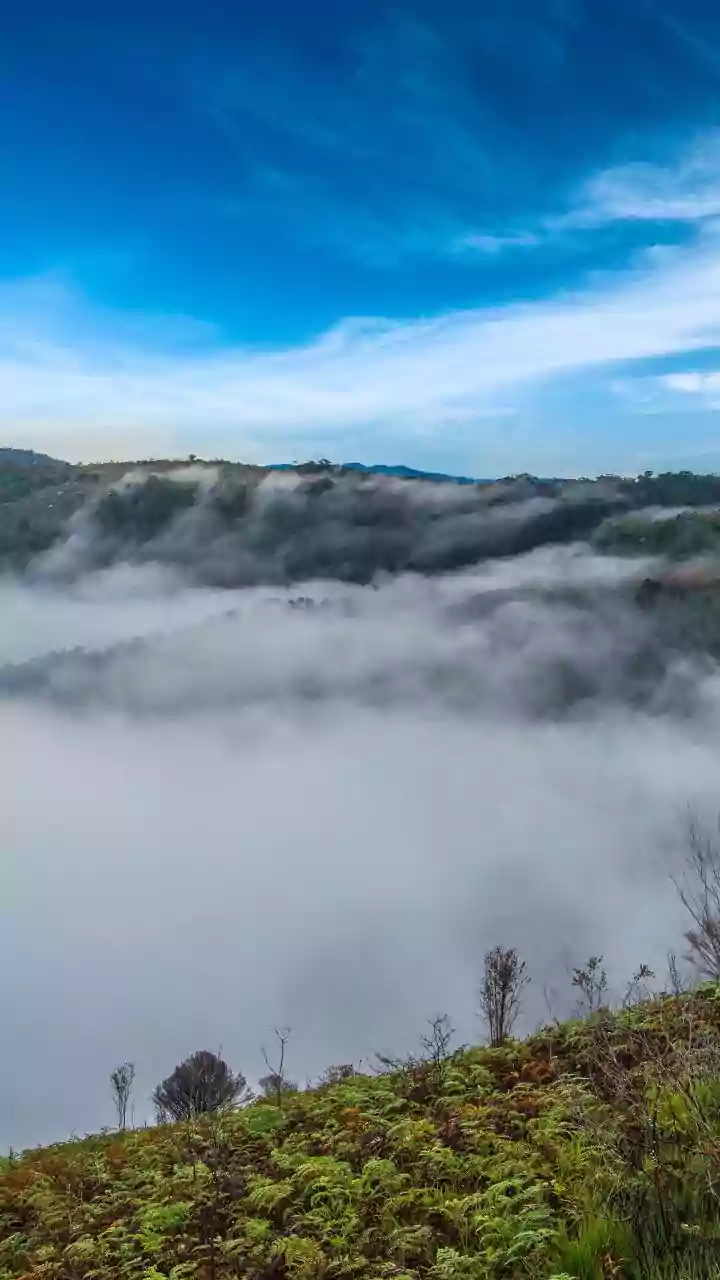
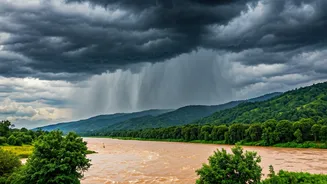
To visit Meghalaya, the 'Abode of Clouds', during the monsoon is to witness a world reborn. The ubiquitous rains, which give the state its name and its record-breaking rainfall, are not a deterrent but the main event. Waterfalls that are mere trickles
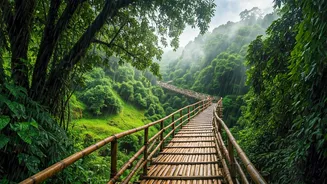
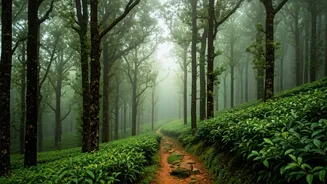
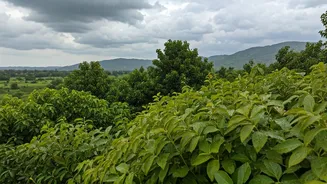
in drier months become thunderous spectacles, and the rolling hills cloak themselves in an impossible emerald. Mist weaves through the forests, creating an ethereal landscape that feels both ancient and alive. But beyond the stunning natural beauty, the monsoon unlocks a deeper, more resonant layer of life in the Jaintia Hills, one that is tied to the very soil and spirit of the Pnar people. This is a season not for sightseeing in the traditional sense, but for immersion into a rhythm dictated by rain, ritual, and renewal.
Behdeinkhlam: Chasing Away the Plague
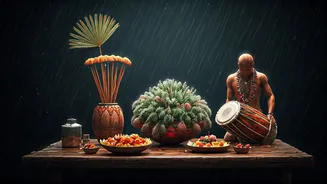
At the heart of this seasonal transformation is the Behdeinkhlam festival, the most significant cultural event for the Pnar people who follow the indigenous Niamtre religion. Celebrated annually in July, after the arduous sowing season, the festival's name translates literally to 'chasing away the plague with sticks'. Its origins lie in a time when cholera and other pestilences were a real and present danger, especially during the rains when waterborne diseases could spread rapidly. Behdeinkhlam is therefore a powerful, collective prayer and a public health measure rolled into one—a ritualistic cleansing of the community to ward off disease, evil spirits, and misfortune, while invoking blessings for a bountiful harvest.
The Rites of Cleansing and Community
The festival, which unfolds over several days primarily in the town of Jowai, is a vibrant tapestry of rituals. It begins with solemn rites performed by the Daloi, or chief religious figure. A key practice involves young men visiting every home, beating the roofs with bamboo poles to symbolically drive away evil spirits. The festival is a predominantly male-led public event, while women play a crucial role in preparing ceremonial food and making offerings to the spirits of their ancestors. The celebrations are a riot of sound and colour, involving traditional dances to the tune of pipes and drums. The community comes together to demonstrate solidarity, reinforcing the idea that health and prosperity are collective responsibilities.
Rots, Rites, and a Wooden Football
The festival's climax is a grand spectacle. Intricately decorated, tower-like structures called 'rots' are built from bamboo by different localities. These massive, colourful creations are paraded through the streets before being ceremonially immersed in a sacred pool called the Aitnar. This immersion symbolizes the final banishment of sickness and evil. Another unique feature is the 'Dat-lawakor', a game resembling football played with a wooden ball. Two teams representing the northern and southern parts of the town compete fiercely. It is believed that the winning side's region will be blessed with a more abundant harvest in the coming year, transforming a simple game into a powerful form of divination and communal hope.
A Journey into the Ritual Heart
For the curious traveller, witnessing Behdeinkhlam is to see Meghalaya's soul laid bare. It is an experience that transcends the visual beauty of the monsoon. Visitors are often warmly welcomed to observe the festivities, offering a chance to see a living tradition that connects the Pnar people to their environment, their ancestors, and their gods. It’s a powerful reminder that travel can be more than just seeing new places; it can be about understanding them. The festival shows how a community has, for centuries, turned the challenge of the monsoon into a celebration of resilience, faith, and unity. It's this ritual heart that gives Meghalaya's monsoon journey its profound and unforgettable pulse.