



A World Within a World
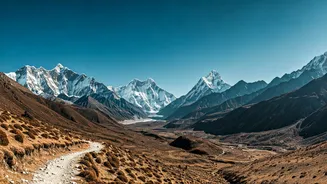
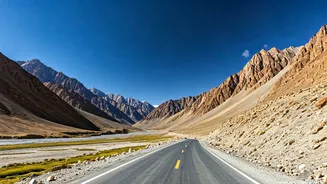
Tucked away in the Indian state of Himachal Pradesh, Spiti Valley is a slice of Tibet marooned in the upper reaches of the Himalayas. The name 'Spiti' means 'The Middle Land,' and it feels just like that—a kingdom caught between heaven and earth. This
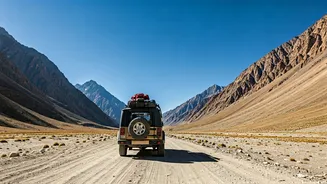
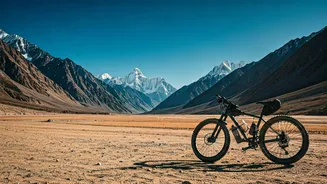
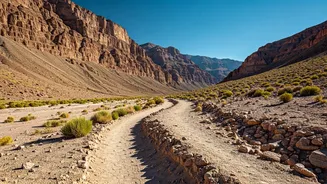
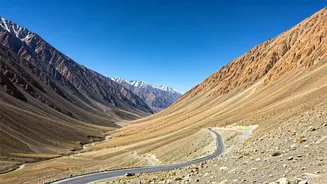
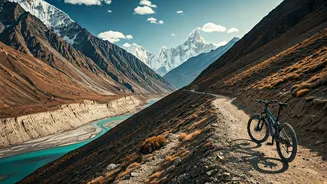
is a cold desert mountain valley, a landscape of barren, wind-swept mountains, deep gorges carved by the turquoise Spiti River, and tiny villages clinging to impossible slopes. The culture is distinctly Tibetan Buddhist, with ancient monasteries crowning hilltops and prayer flags fluttering on every pass. A trip here isn't just a change of scenery; it's a journey to another time.
The Ultimate Climate Upgrade
While the rest of the world sweats through July and August, Spiti enjoys its brief, glorious summer. Forget humidity and sweltering temperatures. Here, summer means daytime temperatures hovering in the pleasant 60s and 70s Fahrenheit, perfect for exploring. But as soon as the sun dips behind the towering peaks, the mercury plummets, reminding you that you’re over 12,000 feet above sea level. You’ll be reaching for a fleece and a warm cup of tea, a welcome sensation for anyone fleeing a heatwave. This dramatic temperature swing is the core of Spiti's appeal as a summer destination—it offers true, profound relief from the heat.
Choose Your Epic Journey
Getting to Spiti is the main event. There are two primary routes, each offering a different kind of adventure. The classic circuit begins in Shimla, a former British hill station. This longer, 10- to 12-day route follows the Sutlej River through the lush Kinnaur Valley before crossing into the arid landscapes of Spiti. The gradual ascent is ideal for acclimatizing to the high altitude, making it the safer, more recommended option for first-timers. The alternative route is from Manali. It's shorter and more dramatic, tackling two of the world's most formidable mountain passes: Rohtang Pass and Kunzum Pass (nearly 15,000 feet). This route is only open from June to October and involves a rapid ascent, posing a higher risk of altitude sickness, but the raw, breathtaking scenery is a huge payoff for seasoned travelers.
Monasteries in the Sky
The soul of Spiti resides in its monasteries. The most famous is Key (or Kye) Gompa, a staggering complex of white-washed buildings that seems to grow organically out of a conical hill. It looks less like a building and more like a fortress from a fantasy novel. Then there's the Tabo Monastery, a UNESCO World Heritage site founded in 996 AD. Known as the 'Ajanta of the Himalayas,' its unassuming mud-brick exterior hides breathtaking frescoes and murals that have survived for over a millennium. For the best views, a rugged drive and a short hike take you to Dhankar Monastery, perched precariously on a 1,000-foot spur overlooking the confluence of the Spiti and Pin Rivers.
Beyond the Road: High-Altitude Wonders
The road trip is more than just driving. It's about the stops along the way. Mail a postcard to your awestruck friends from the world’s highest post office in Hikkim (14,567 feet). Hunt for million-year-old marine fossils near the village of Langza, proof that this Himalayan giant was once the floor of the Tethys Sea. Spend a night in Komic, one of Asia’s highest motorable villages, and experience the humbling hospitality of a local homestay. And no Spiti trip is complete without a side quest to the ethereal Chandratal, the 'Moon Lake,' a crescent of brilliant blue water surrounded by stark mountains—a sight that feels truly otherworldly.
Know Before You Go
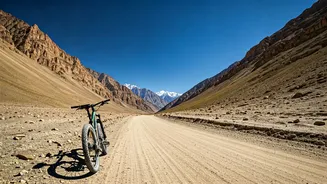
An adventure this grand requires preparation. Altitude sickness is a real risk; ascend slowly, stay hydrated, and avoid overexertion. While most of the region is open, some areas near the Tibetan border may require an Inner Line Permit for non-Indian citizens. Pack layers: t-shirts for sunny afternoons, a warm fleece, a windproof jacket, and a beanie for the cold nights. Roads are often rough and unpaved, so a sturdy 4x4 with a skilled local driver is essential. Finally, embrace the simplicity. Wi-Fi is scarce and luxury is non-existent. The real luxury is the silence, the starry nights, and the connection to a landscape that is as beautiful as it is unforgiving.