

Tired of the jeep queues in India’s famous tiger reserves? Winter is the perfect time to explore the wild heart of the country, but the real magic lies beyond the usual hotspots. Discover five unforgettable wildlife experiences for a truly unique safari.
Hemis National Park, Ladakh: The Ultimate Winter Quest
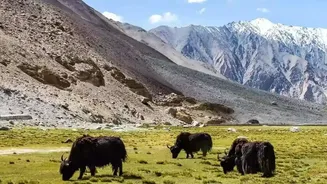
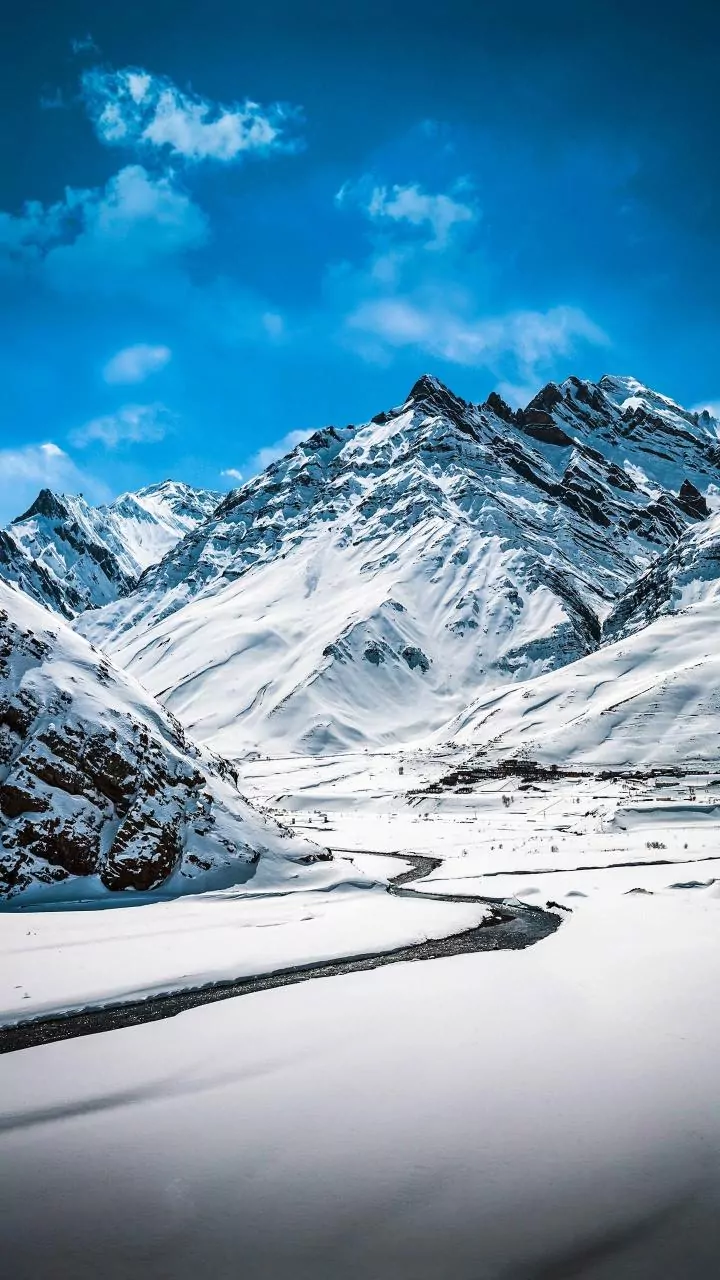
This is not your average jeep safari. Hemis National Park offers one of the most challenging and rewarding wildlife experiences on earth: tracking the elusive snow leopard. Winter is precisely the best time for this adventure, as the extreme cold and snow drive the 'Ghost of the Mountains' and its prey, like the blue sheep, to lower altitudes, increasing the chances of a sighting. The journey happens on foot, alongside expert guides and spotters, through the stark, frozen landscapes of the Rumbak Valley. It requires patience, acclimatisation to altitudes above 3,500 metres, and a willingness to brave sub-zero temperatures. But the reward—a glimpse of this mythical cat against the Himalayan peaks—is an unparalleled wildlife moment. Besides the snow leopard, you may also spot the Tibetan wolf, Asiatic ibex, and golden eagles. The peak season for this trek is January and February.
Eaglenest Wildlife Sanctuary, Arunachal Pradesh: A Birder’s Paradise
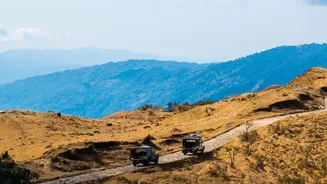
For those whose passion for wildlife is measured in feathers and birdsong, Eaglenest is a pilgrimage site. Located in the Eastern Himalayas, this sanctuary is considered one of Asia's finest destinations for birding. It gained global fame with the discovery of the Bugun Liocichla in 2006, a bird found almost nowhere else on Earth. A winter trip, from November to March, is ideal. The safari here is conducted on foot and by vehicle along a rugged road that cuts through forests at varying altitudes, from 500 to over 3,200 metres. This dramatic change in elevation is the secret to its incredible biodiversity, hosting nearly 500 bird species. You'll spend your days walking trails and scanning the canopy for rarities like the Ward's Trogon, Rufous-necked Hornbill, and Blyth's Tragopan, guided by local experts who know the forest intimately.
Desert National Park, Rajasthan: Life in the Thar
Swap dense forests for sprawling sand dunes and scrubland at Desert National Park near Jaisalmer. This vast expanse offers a completely different safari experience, focused on the unique biodiversity of the Thar Desert. The park is the last major stronghold of the critically endangered Great Indian Bustard, one of the heaviest flying birds in the world. Winter (November to March) is the best time to visit, not only for more pleasant weather but also to see an influx of migratory birds. Look out for migratory raptors like the Eastern Imperial Eagle and Himalayan Griffon Vulture, alongside resident species like the desert fox, chinkara, and desert cat. Exploring is done via jeep or camel safari, offering a chance to witness life adapting and thriving in this arid landscape. It’s a starkly beautiful and fragile ecosystem that offers a profound sense of wilderness.
Satpura National Park, Madhya Pradesh: The Walking Safari
If you want to experience the Indian jungle on its own terms, head to Satpura. While it is a tiger reserve, Satpura is famous for something that sets it apart from its popular neighbours like Kanha and Bandhavgarh: walking safaris in the core forest area. Accompanied by a naturalist, you can explore the rugged terrain of dense forests, deep ravines, and meadows on foot. This offers a much more intimate and thrilling connection to the wilderness, where you learn to read tracks and listen to the sounds of the jungle. Besides walking, you can also take boat and canoe safaris on the Denwa River, providing another unique perspective for spotting wildlife. The park is home to tigers, leopards, sloth bears, and Indian giant squirrels. With fewer visitors, Satpura provides a quieter, more immersive experience. The winter months from October to February are ideal.
Velavadar National Park, Gujarat: Grasslands and Wolves
Officially called Blackbuck National Park, Velavadar protects a rare and beautiful grassland ecosystem. This park is home to one of the country's largest populations of the elegant blackbuck, India's fastest antelope. Winter is the prime time to visit, from November to February, when the weather is cool and dry. This season also brings one of the park’s most spectacular sights: the world's largest communal roost of harriers. At dusk, thousands of these migratory raptors descend upon the grasslands in a breathtaking display. But the blackbucks are not the only stars. Velavadar is also one of the best places in India to reliably see the Indian grey wolf, often seen stalking through the tall grasses in the early mornings. Safaris here are in open jeeps, providing unobstructed views across the vast, golden plains.