
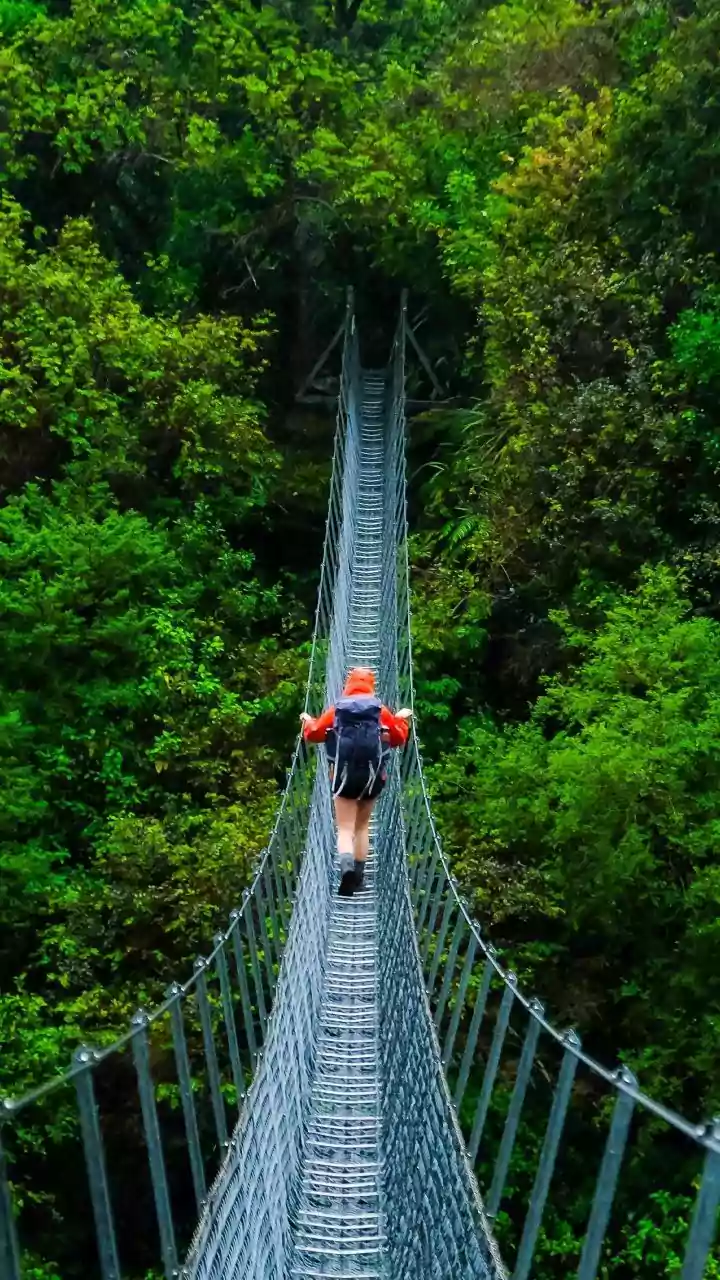
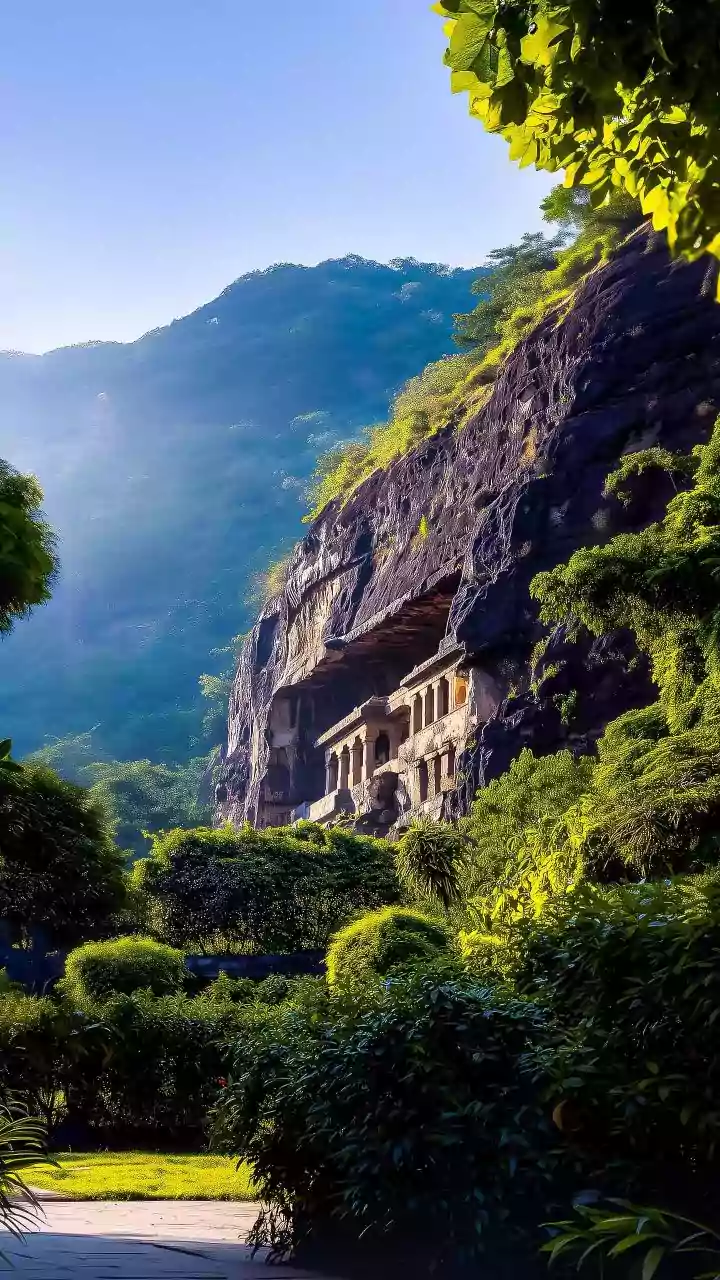
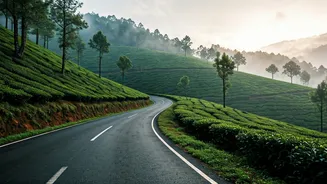


The Allure of the Rain-Soaked Ride
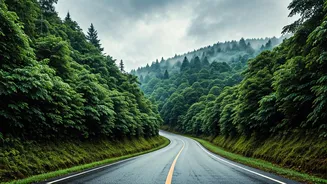
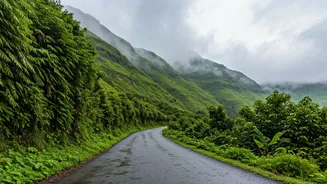
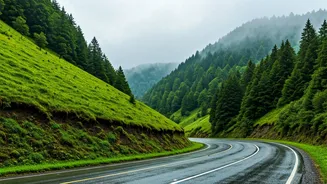
There's a unique romance to riding through the hills when the skies open up. The dust of summer is washed away, revealing a world saturated with colour. The greens are greener, the waterfalls are more powerful, and the air itself feels alive. For any
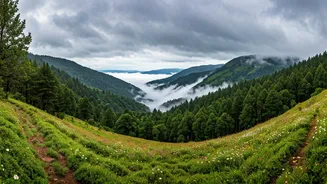
rider, this is the call of the wild, a chance to connect with nature in its most dramatic and beautiful state. It’s about more than just the destination; it's about the journey itself. The rhythmic drumming of rain on your helmet, the cool spray on your face during a brief stop, and the taste of a hot chai at a roadside stall while watching the downpour—these are moments that etch themselves into memory. The landscape, often quiet and subdued, becomes a dynamic theatre of clouds, mist, and cascading water.
A Reality Check: Respect the Road
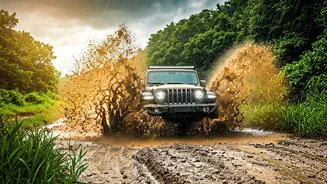
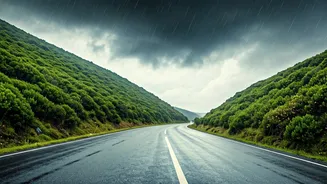
While the dream is enchanting, the reality demands respect and preparation. Monsoon riding in the hills is not for the novice or the reckless. The same rain that brings the landscape to life can make roads treacherous. Visibility can drop to near zero in seconds when a thick blanket of fog rolls in. Roads become slick with a film of oil, mud, and water, drastically reducing tyre grip. The risk of landslides in hilly terrain is real, and streams can swell to become impassable torrents. This isn't meant to scare you off, but to ground you. The key to a memorable ride is understanding and mitigating these risks. It means slowing down, staying hyper-aware, and knowing when to pull over and wait for conditions to improve. A successful monsoon ride is a safe one.
Gearing Up for the Downpour
Your regular riding gear won't cut it. Being wet and cold is not just uncomfortable; it's dangerous, as it leads to fatigue and poor decision-making. Your most important investment is a high-quality, fully waterproof riding suit. Look for two-piece suits for versatility or one-piece options for maximum protection. Waterproof gloves and boots are non-negotiable—cold, wet hands can’t operate controls effectively. A helmet with a good anti-fog visor or a Pinlock insert is crucial for maintaining clear vision. Finally, think about your luggage. Waterproof saddlebags, tail bags, or even simple, sturdy plastic liners inside your existing bags will keep your clothes, electronics, and documents dry and safe.
Prepping Your Motorcycle
Your machine needs to be in top form to handle the demanding conditions. Start with the tyres. Ensure they have ample tread depth to channel water away and prevent aquaplaning. Check and maintain the correct tyre pressure. Your braking system is your lifeline; inspect your brake pads and fluid levels. Ensure your headlights, tail lights, and indicators are all working perfectly—you need to see and be seen in low visibility. Clean and lubricate your chain before the ride and consider carrying a small can of chain lube with you, as the constant rain will wash it off quickly. A thorough check-up by a trusted mechanic before a long monsoon trip is always a wise investment.
Iconic Monsoon Routes to Consider
India is blessed with incredible hill routes that come alive during the monsoon. The ride from Mumbai to Lonavala or Igatpuri in the Western Ghats is a classic, offering lush green vistas and countless waterfalls. Further south, the journey through the tea gardens of Munnar in Kerala is nothing short of magical, with mist hanging low over the manicured plantations. For those near Bengaluru, a ride to Coorg or Chikmagalur offers a brilliant escape into coffee country, where the aroma of wet earth mixes with that of blossoming coffee plants. Each of these routes provides a unique flavour of the Indian monsoon, promising stunning scenery and unforgettable riding challenges.