




Start with a Smarter Soil Mix
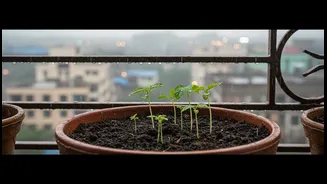
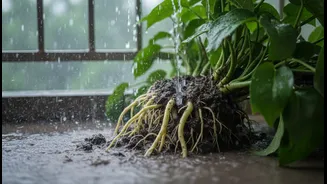
The foundation of a healthy monsoon garden is the soil. Regular garden soil is often too dense for pots; it compacts easily and retains excessive water, creating a recipe for disaster. During the monsoon, this can lead to waterlogged conditions where
roots are starved of oxygen and begin to rot. To counter this, create a lighter, well-draining potting mix. A reliable combination for most plants is a balanced blend of garden soil, compost, cocopeat, and a drainage agent like coarse sand or perlite. A good starting ratio is 40% garden soil, 30% compost (like vermicompost), 20% cocopeat for structure, and 10% sand or perlite to improve airflow. This mix holds enough moisture for the plant's needs but allows the constant rainwater to pass through freely, preventing the roots from drowning.
Assess Your Pots and Planters
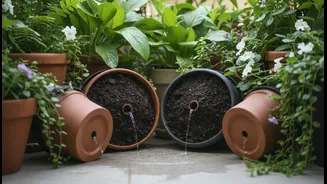
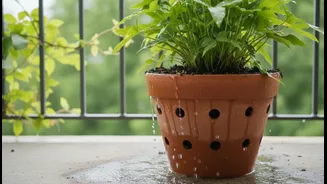
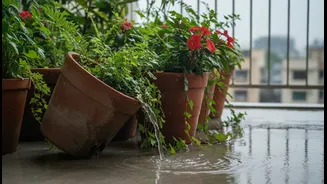
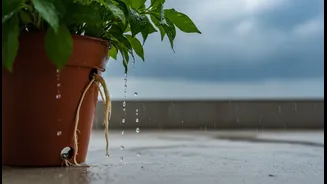
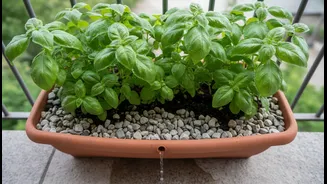
Not all pots are created equal, especially when facing a deluge. Before the monsoon arrives, inspect your containers. The most critical feature is the drainage hole—ensure every pot has at least one, and preferably several, clear openings at the bottom. If the holes are small or blocked, take the time to widen them or drill new ones. The material of the pot also matters. Porous containers like traditional terracotta pots are generally better than plastic ones during the rainy season because they allow moisture to evaporate through their walls, helping the soil to dry out faster. If you use decorative pots without holes, use them as cachepots—place a smaller pot with drainage inside, ensuring the outer pot doesn't collect standing water.
Elevate Your Plants for Better Drainage
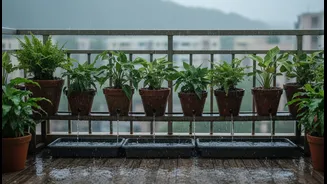
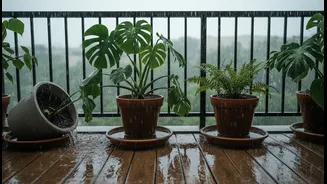
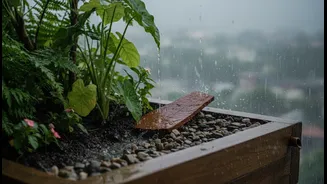
One of the simplest yet most effective fixes is to lift your pots off the balcony floor. When a pot sits flat on the surface, water can get trapped underneath, blocking the drainage hole even if it's perfectly sized. This is especially true on flat, non-porous tiles. By elevating your planters, you create an air gap that allows excess water to escape without obstruction and improves airflow around the base of the pot. You don’t need fancy equipment for this; placing pots on bricks, flat stones, or dedicated 'pot feet' works perfectly. This small adjustment can dramatically reduce the risk of waterlogging and keep the area under the pots from developing algae or mould.
Strategically Shelter Sensitive Plants
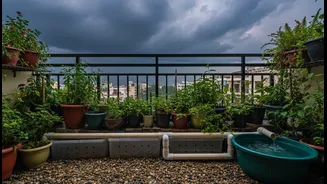
While many plants enjoy the rain, the constant, forceful downpour of a peak monsoon can be too much for delicate species, young seedlings, or succulents that prefer drier conditions. Observe your balcony's microclimate to identify areas that receive less direct rain, such as spots closer to the wall or under an overhang. Move more vulnerable plants to these sheltered locations during periods of heavy, continuous rain. For balconies that are fully exposed, you can consider temporary solutions like retractable awnings or even a clear plastic sheet angled to divert the worst of the downpour while still allowing light through. Grouping plants together can also provide mutual protection from wind and driving rain.
Recognise and React to Overwatering
Even with the best preparations, a plant might still show signs of distress. It's crucial to recognise the symptoms of overwatering, which can surprisingly mimic those of underwatering. Telltale signs include yellowing leaves (especially lower ones), wilting even when the soil is wet, mushy stems near the base, and a foul, sour smell from the soil, which indicates root rot has begun. If you suspect a plant is waterlogged, act quickly. Gently tilt the pot to drain any immediate excess water. Stop watering completely until the top few inches of soil feel dry. For severely affected plants, you may need to carefully remove them from the pot, trim away any blackened, mushy roots, and repot them in fresh, drier soil. Improving air circulation by pruning some lower leaves can also help the soil dry faster.