






Decode the Weather Warnings
Before you even pack your bags, your first step should be to check the official weather forecast. The India Meteorological Department (IMD) uses a colour-coded system to issue warnings that are easy to understand. A 'Green' alert means no significant
weather is expected. A 'Yellow' alert is a watch, asking you to 'Be Aware' of potential bad weather that could cause disruptions. An 'Orange' alert means 'Be Prepared' for extremely bad weather that could disrupt transport and power. The highest level, a 'Red' alert, means 'Take Action' and signifies a significant threat to life and property from severe conditions. Always check the district-specific warnings for your destination and your route, not just a general state-level forecast.
Your Pre-Travel Checklist
Once you understand the forecast, it's time to prepare. Keep your travel itinerary flexible and add buffer days, as heavy rain can cause unexpected delays with flights, trains, and road travel. When packing, prioritize quick-drying clothes, waterproof footwear, a sturdy umbrella, and raincoats. It is also wise to pack a first-aid kit, insect repellent, and a power bank for your phone. Consider purchasing travel insurance that specifically covers disruptions due to weather, such as flight cancellations or delays. Many policies can offer financial protection for non-refundable bookings, but it's important to buy the policy before any weather warnings are issued for your destination.
Safety on the Road
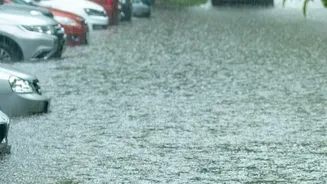
If you are driving, safety is paramount. Reduce your speed significantly, as wet roads increase your car's braking distance. Keep a safe distance from the vehicle in front of you—a good rule of thumb is to maintain a gap of at least three car lengths. Always drive with your low-beam headlights on, even during the day, to improve your visibility and ensure other drivers can see you. Avoid using cruise control, as it can reduce your control if you hydroplane. Before you start, check that your tyres have adequate tread, your brakes are in good condition, and your windscreen wipers are working effectively. If you encounter a waterlogged road, do not attempt to drive through it. It only takes about a foot of moving water to sweep a vehicle away.
When You Get Stranded
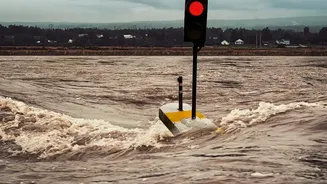
Despite the best planning, you might find yourself stranded. If you are in a car that gets trapped in rising water, stay inside the vehicle. If water starts entering the car, get on the roof and call for help. Do not attempt to walk or swim through floodwaters, as they can be contaminated, carry dangerous debris, and hide downed power lines. If you are in a building during a flood warning, move to the highest point possible. Keep your phone charged and listen to local authorities for instructions on evacuation or when it is safe to move. It's also a good idea to have some water and snacks on hand in your vehicle for potential long waits in traffic jams.
Making the Call to Cancel
Sometimes, the safest decision is not to travel at all. If an Orange or Red alert is issued for your destination or a significant portion of your route, it is wise to postpone your trip. Hill stations and remote areas are particularly vulnerable to landslides and road closures during heavy rainfall. Before making a final decision, contact your hotel or local tour operator to get an on-the-ground perspective of the conditions. Ultimately, a delayed vacation is far better than a journey that puts your safety at risk. Don't let the desire for a getaway override official warnings and common sense.