



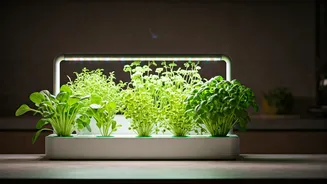


What is an Eco-Friendly Garden?
An eco-friendly garden is more than just a collection of plants; it's a living ecosystem. Unlike traditional gardens that often rely on chemical fertilisers and pesticides, this approach prioritises the health of the soil, conserves water, and supports
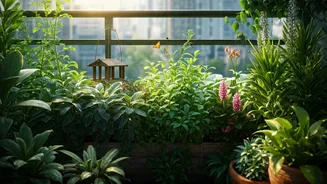
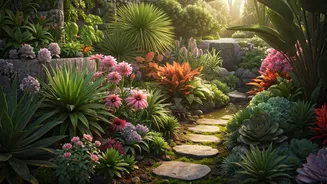
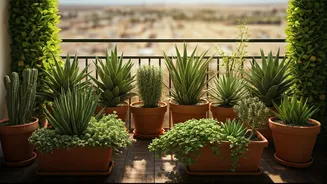
local wildlife. The goal is to create a self-sustaining cycle where the garden gives back to the environment as much as it takes. This means choosing native plants that thrive in the local climate, turning kitchen scraps into nutrient-rich compost, and creating a safe haven for pollinators like bees, butterflies, and birds. It’s a shift from a garden that is merely decorative to one that is a functioning, vibrant part of the local ecology, whether it’s on a sprawling lawn or a small urban balcony.
Why the Sudden Popularity?
Several factors are driving this green wave across Indian homes. In our increasingly dense cities, people are yearning for a connection to nature. A balcony or terrace garden offers a personal oasis and a respite from the concrete jungle. The pandemic also played a significant role, as more people staying home sought meaningful hobbies that nourished their well-being. There's also a growing awareness of climate change and environmental issues. People want to make a positive impact, and a sustainable garden is a tangible way to do so. It helps reduce the urban heat island effect, improves local air quality, and provides a source of fresh, pesticide-free herbs and vegetables, which aligns with a broader trend towards healthier, organic living.
Start with Native Plants
The single most impactful step you can take is to choose plants that are native to your region. Native species have evolved over thousands of years to thrive in the local soil and weather conditions. This means they are naturally pest-resistant, require far less water, and don’t need artificial fertilisers to flourish. More importantly, they provide essential food and shelter for local birds, insects, and other wildlife. For example, instead of exotic flowers, consider planting Indian varieties like marigolds (genda), jasmine (mogra), or hibiscus. For herbs and edibles, staples like tulsi, curry leaves (kadi patta), and mint (pudina) are perfectly adapted to our climate and incredibly low-maintenance.
Master Water-Wise Techniques
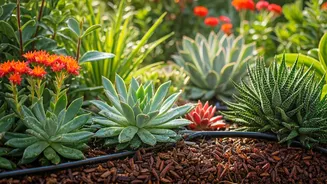
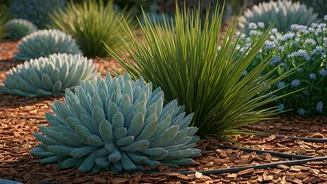
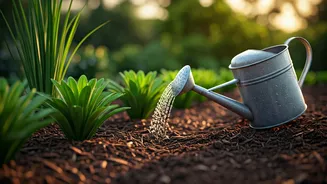
Water is a precious resource, and a sustainable garden is a water-wise one. Instead of watering superficially every day, water your plants deeply but less frequently. This encourages roots to grow deeper, making them more resilient to drought. Group plants with similar water needs together. A simple yet effective technique is mulching. Applying a layer of organic material like dried leaves, wood chips, or sugarcane bagasse over the soil surface helps retain moisture, suppresses weeds, and keeps the soil cool. For those with larger gardens or terraces, installing a simple drip irrigation system can reduce water usage by up to 70% by delivering water directly to the plant's roots.
Create Your Own 'Black Gold'
Composting is the heart of an eco-friendly garden. It’s the magical process of turning your kitchen waste—like vegetable peels, fruit scraps, and coffee grounds—into a rich, dark, nutrient-packed soil amendment often called 'black gold'. This closes the loop of your household waste, diverting it from landfills where it would produce harmful methane gas. All you need is a composting bin, which can be a simple terracotta pot (khamba) or a specialised container. By layering your 'greens' (kitchen scraps) with 'browns' (dried leaves, cardboard), you create the perfect environment for microorganisms to break everything down. This homemade compost will feed your soil, making your plants healthier and more productive than any chemical fertiliser could.
Invite Birds and Bees
A thriving garden is one that buzzes with life. By avoiding chemical pesticides, you're already creating a safer environment for beneficial insects. To actively invite them, plant a variety of flowers with different shapes, colours, and blooming seasons to provide a continuous food source for pollinators. A simple, shallow dish of water with a few pebbles for insects to land on can serve as a vital water source. These small creatures are not just delightful to watch; they are essential for pollinating your plants, especially if you're growing vegetables like tomatoes, chillies, or gourds. A garden that supports pollinators is a garden that supports the entire food web.