





Understanding the Common Ground
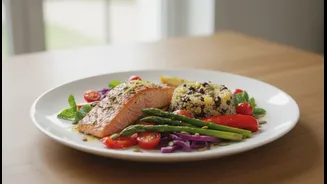
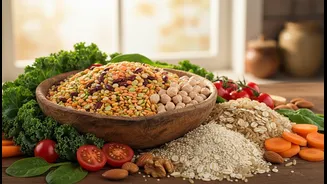
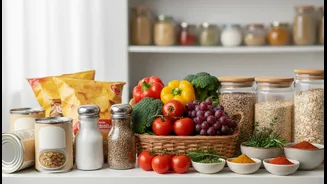
At its core, the Mediterranean diet is not about specific recipes but a pattern of eating that emphasizes whole foods. It prioritizes vegetables, fruits, legumes, whole grains, nuts, and healthy fats like olive oil. Many of these principles already exist
within traditional Indian vegetarianism, which is rich in plant-based proteins and fibre. The focus on lentils (dal), chickpeas (chana), beans (rajma), and a wide array of vegetables makes the Indian thali a natural starting point for this fusion. The goal isn't to replace Indian cuisine, but to refine it by making thoughtful choices about ingredients and cooking methods.
Make Smart Fat Swaps
One of the most significant shifts involves cooking fats. The Mediterranean diet is famous for its use of extra virgin olive oil, which is rich in healthy monounsaturated fats. While olive oil can be used for light sautéing, it's not always suitable for high-heat Indian cooking. A practical approach is to use locally available cold-pressed oils like mustard, groundnut, or sesame oil, which have favourable fatty acid profiles. Ghee, or clarified butter, can still be used sparingly for its flavour and health benefits, but the key is moderation and reducing overall oil usage. Try measuring your oil instead of free-pouring, and choose methods like steaming and grilling over deep-frying.
Prioritise Whole Grains
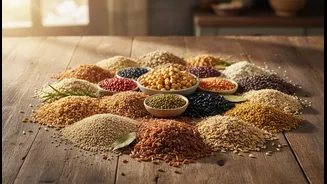
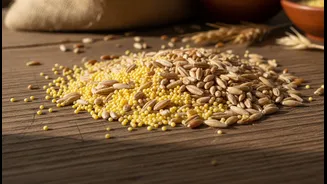
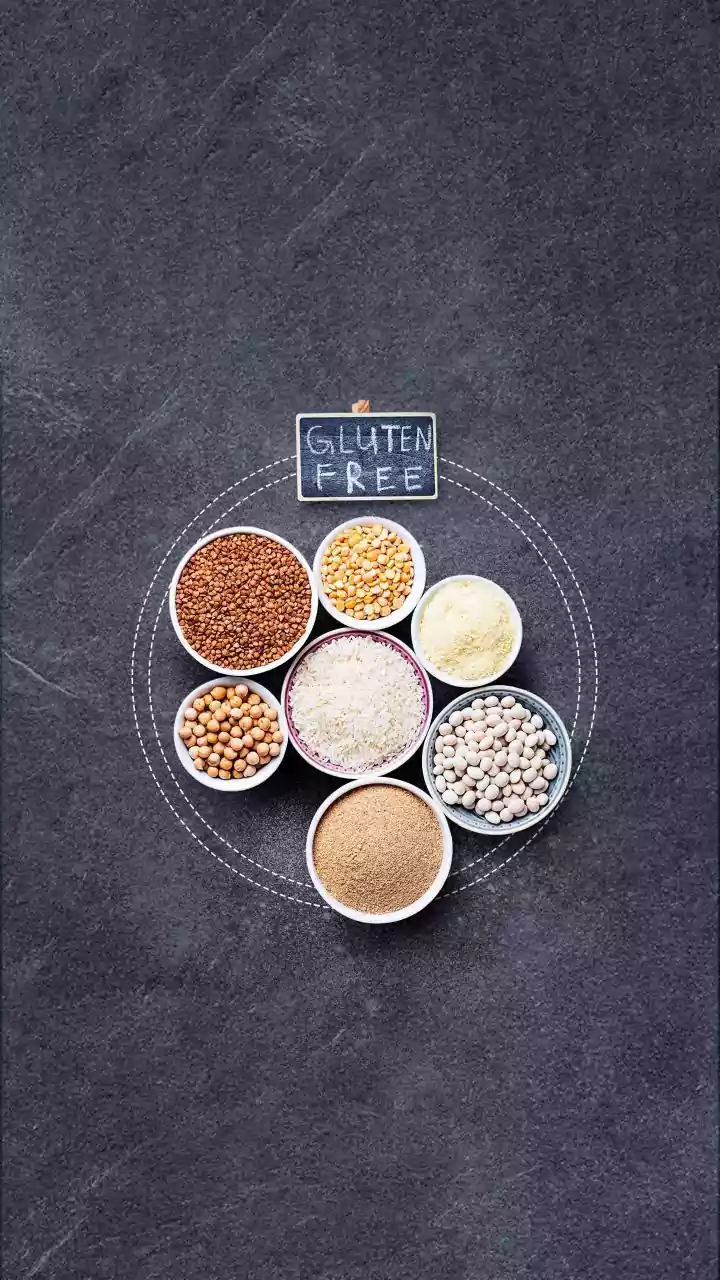
Many Indian meals are built around grains, but the type matters. To align with Mediterranean principles, swap refined white rice and maida (refined flour) for whole grains. Opt for brown rice, whole wheat for rotis and chapatis, and embrace traditional Indian millets like jowar, bajra, and ragi. These grains are higher in fibre, which aids digestion, helps manage blood sugar, and keeps you feeling full longer. You can make simple changes like preparing vegetable upma with millets or serving your favourite curry with brown rice.
Double Down on Vegetables and Legumes
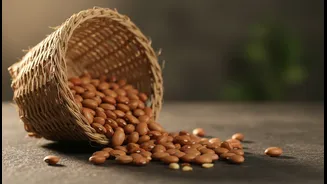
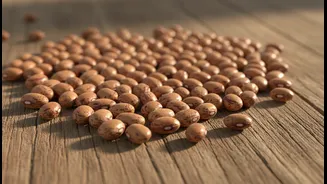
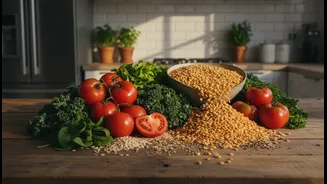
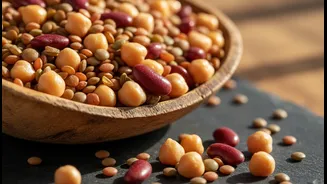
Indian vegetarian cooking already celebrates vegetables, but the Mediterranean approach encourages making them the star of your plate. Aim to fill half your plate with a colourful variety of seasonal vegetables, or 'sabzi'. In addition to cooked vegetables, incorporate fresh salads. Legumes are another area of strong overlap. Continue to make dals, chana masala, and rajma central to your meals. They are excellent sources of plant-based protein and fibre, perfectly fitting the Mediterranean pattern.
Rethink Dairy and Protein
The Mediterranean diet includes dairy in moderation, primarily in the form of yogurt and cheese. For an Indian vegetarian diet, this translates to enjoying homemade dahi (yogurt) and using paneer thoughtfully. Instead of rich, cream-heavy gravies, try grilled paneer tikka or crumbling it into salads. For protein, the focus remains heavily on legumes, nuts, and seeds. A handful of almonds or walnuts makes a great snack, and seeds like flax can be added to dahi or smoothies for an omega-3 boost.
Flavour with Spices, Not Salt
A key principle of both cuisines is the abundant use of herbs and spices. Indian cooking's use of turmeric, cumin, coriander, ginger, and garlic is a major health asset, providing anti-inflammatory benefits and rich flavour without excess salt. Lean into this strength. Use fresh herbs and a wide array of spices to season your food, which reduces the need for extra salt and fat. This not only aligns with Mediterranean principles but also celebrates the heart of Indian cooking.