

The Heart of the Festival
Navratri, which literally means 'nine nights' in Sanskrit, is dedicated to the worship of the divine feminine, Goddess Durga, and her nine forms. This year, Sharad Navratri will be observed from Sunday, 11 October, to Monday, 19 October 2026. The tenth
day, Tuesday, 20 October, is celebrated as Vijayadashami or Dussehra, marking the triumph of good over evil. The festival commemorates Goddess Durga's victory over the demon Mahishasura, with each of the nine nights honouring a different one of her avatars, known as the Navadurga. It is a period of spiritual renewal, prayer, and introspection for many devotees across the country and the global Hindu diaspora.
The Sacred Fast (Vrat)
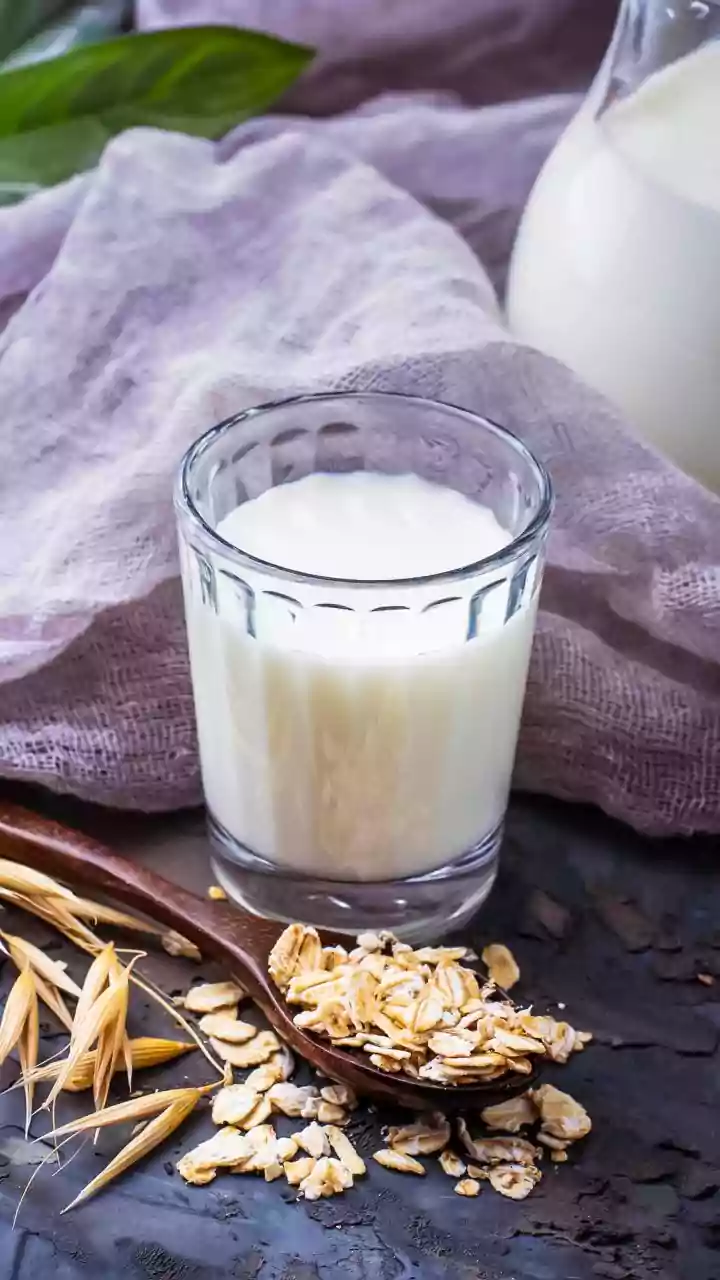
A significant aspect of Navratri is the tradition of fasting, or observing a 'vrat'. This practice is believed to cleanse the body and mind, allowing for deeper spiritual focus. During the fast, devotees abstain from certain foods, including grains like wheat and rice, lentils, onions, and garlic. Regular table salt is replaced with sendha namak (rock salt). The fast is not just about dietary restrictions; it's a form of discipline that encourages a 'sattvic' or pure lifestyle, freeing the mind from daily anxieties and promoting relaxation and creativity.
The Festive Fasting Plate
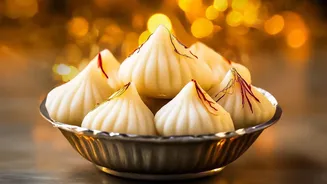
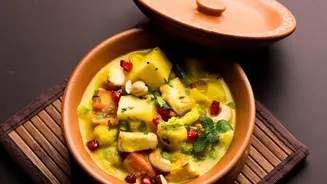
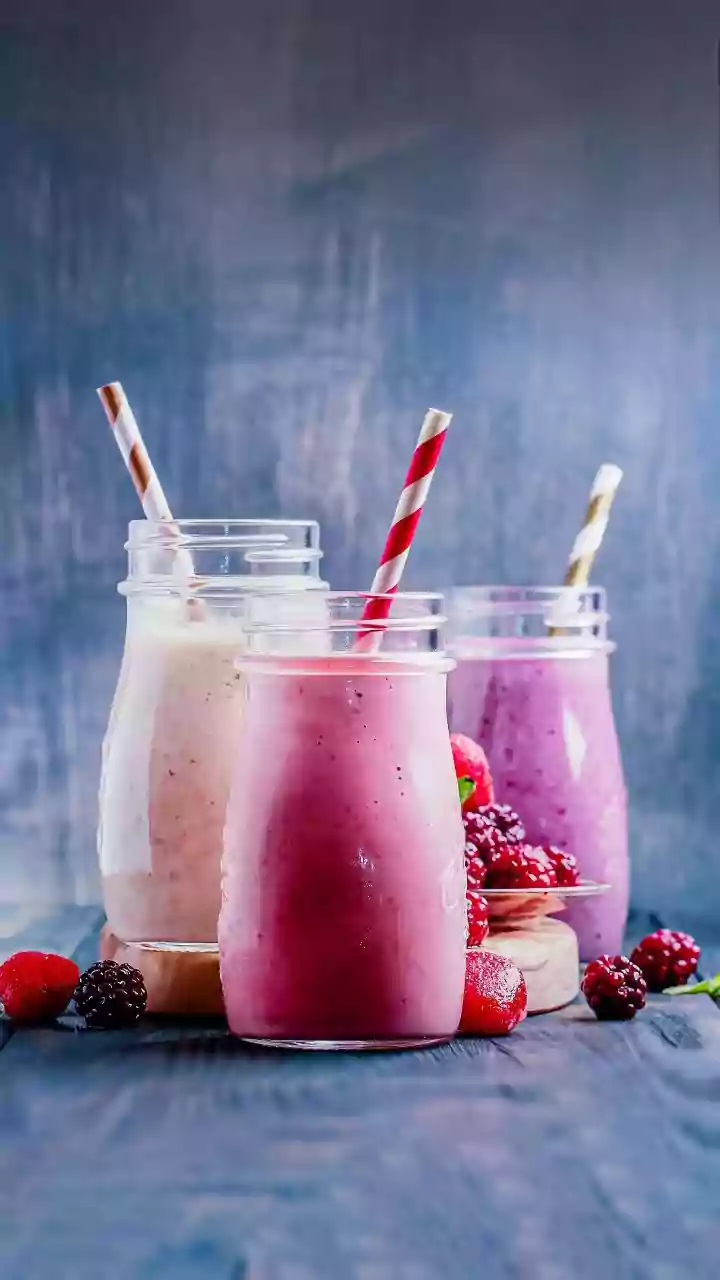
Fasting during Navratri is far from a bland affair. A special culinary world opens up, featuring delicious and creative dishes made from permitted ingredients. Buckwheat flour (kuttu ka atta) and water chestnut flour (singhare ka atta) are used to make rotis and puris. Sabudana (tapioca pearls) is transformed into comforting khichdi or crispy vadas. Another popular grain alternative is barnyard millet, known as samak ke chawal. Restaurants and home kitchens alike prepare elaborate 'vrat thalis'—platters featuring an array of dishes like potato curry, paneer preparations, fruit raita, and sweets like makhana kheer, ensuring the fasting period is also a time of feasting.
The Rhythm of the Night
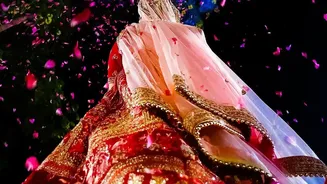
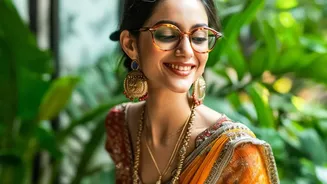
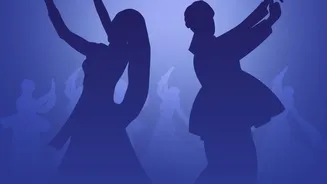
When the sun sets, Navratri transforms into a vibrant cultural spectacle. In states like Gujarat, the nights come alive with the energetic folk dances of Garba and Dandiya Raas. Dancers dressed in colourful, traditional attire like chaniya cholis and kurtas gather in large circles, moving to the infectious beats of dhol and live folk music. Garba is traditionally performed in a circle around a central lamp or an image of the Goddess, while Dandiya involves pairs of dancers striking decorated wooden sticks. Cities like Ahmedabad, Vadodara, and Mumbai host massive Dandiya nights, some featuring famous artists and running late into the night.
A Pan-India Celebration
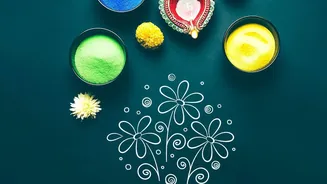
While Gujarat is famous for Garba, the festival takes on different flavours across India. In West Bengal, the last few days of Navratri are celebrated as Durga Puja, with elaborate pandals (temporary structures) housing magnificent idols of the Goddess. Northern India sees theatrical reenactments of the Ramayana, known as Ramlila, culminating in the burning of Ravana's effigy on Dussehra. In South India, particularly Tamil Nadu, homes display intricate arrangements of dolls and figurines called 'Golu' or 'Kolu', depicting divine and mythological stories. This diversity makes Navratri a captivating window into India's rich cultural and spiritual soul.