



The Hidden Power of the Peel
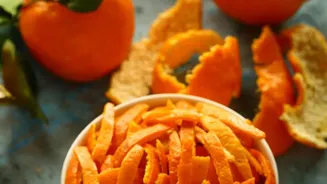
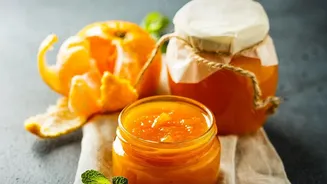
It might be surprising, but orange peels are packed with beneficial compounds. They contain significantly more Vitamin C than the fruit's flesh and are a rich source of plant compounds called flavonoids, which have antioxidant properties. For gut health,
the most important component is pectin, a type of soluble fibre. This fibre acts as a prebiotic, meaning it feeds the beneficial bacteria in your gut. A healthy gut microbiome is essential for smooth digestion, a strong immune system, and overall well-being. The dietary fibre in the peel also aids in promoting regular bowel movements and can help with issues like bloating.
Taming the Bitterness
The main challenge when cooking with orange peels is their natural bitterness. This comes from compounds that can thankfully be reduced with simple preparation. The most effective method is blanching. Simply place your peels in a pot, cover them with cold water, bring it to a boil, and then drain. Repeating this process three to four times will remove much of the bitterness, as the bitter compounds dissolve in the hot water. It's also wise to use peels from organic oranges to avoid potential pesticide residues. After blanching, the peels will be tender and ready for the next step.
A Gut-Friendly Chutney Recipe
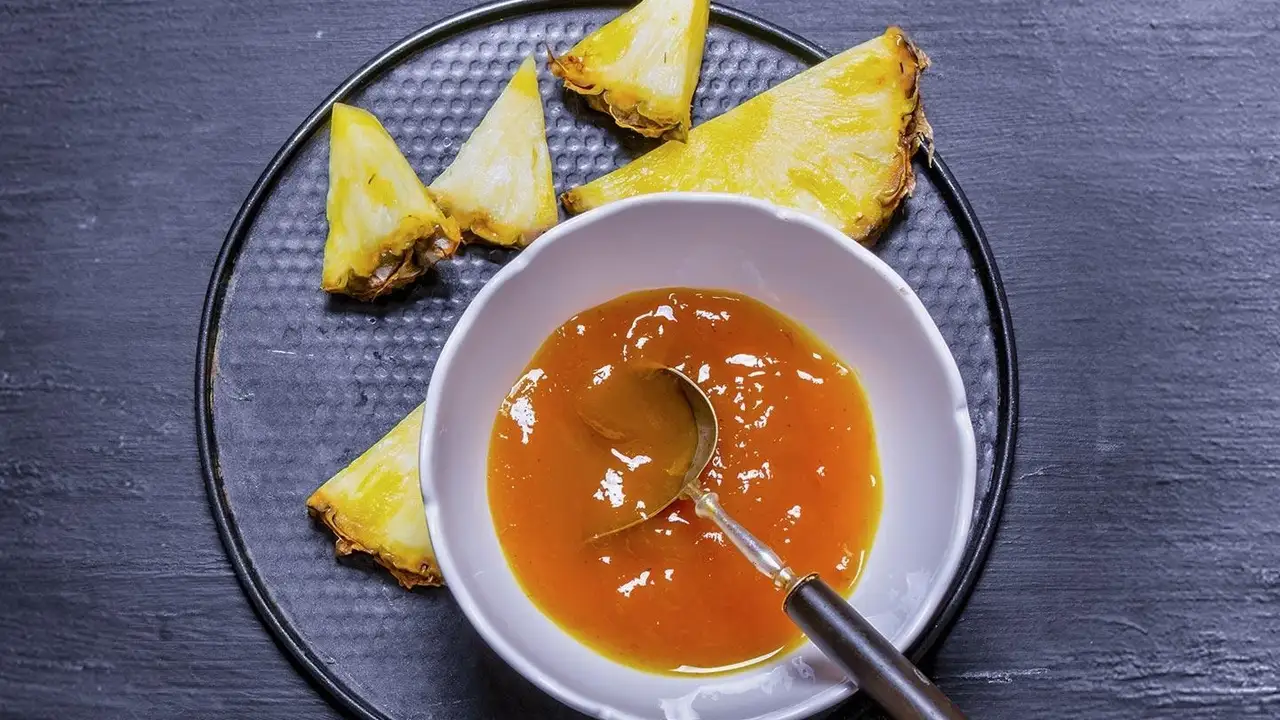
This recipe combines the prepared orange peels with other ingredients known for their digestive benefits. For this chutney, you will need about one cup of finely chopped, blanched orange peels. The other key gut-friendly ingredients are fresh ginger, known to soothe the stomach, and a touch of tamarind for its gentle acidity. To start, heat a tablespoon of oil in a pan. Add a pinch of mustard seeds and let them crackle. Next, add the chopped orange peels and sauté for a few minutes until they are lightly cooked. Now, stir in a teaspoon of grated ginger, a small ball of tamarind (or a teaspoon of paste), and spices like turmeric and red chilli powder. Jaggery is a great natural sweetener to balance the flavours instead of refined sugar.
Cooking and Customizing
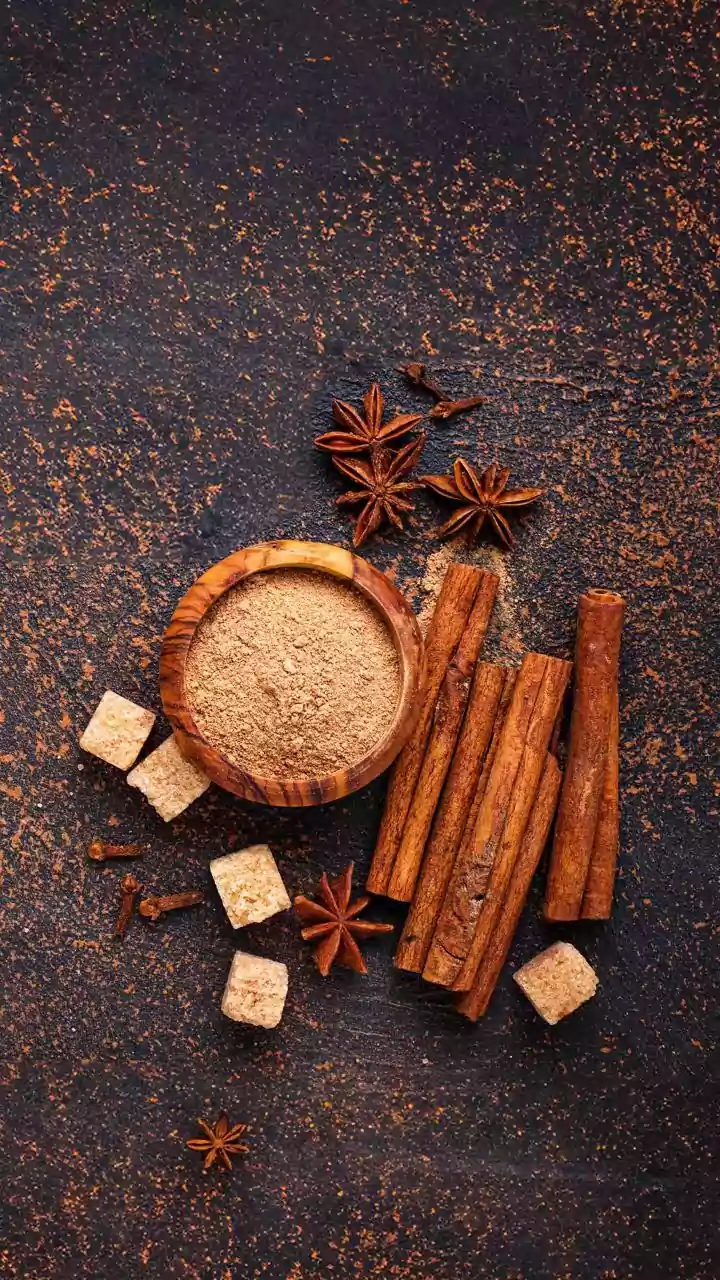
After adding the spices, pour in about half a cup of water and add salt and a tablespoon of powdered jaggery to taste. Allow the mixture to simmer on a low flame, covering the pan so the peels can soften completely and absorb the flavours. This should take about 10 to 15 minutes. The chutney is ready when the peels are tender and the mixture has thickened. Feel free to get creative with additions. A handful of dates can add natural sweetness and fibre, while spices like cinnamon or star anise can introduce warm, complex notes. You can also blend the final product to your desired consistency, whether you prefer it chunky or smooth.
Preserving Your Creation
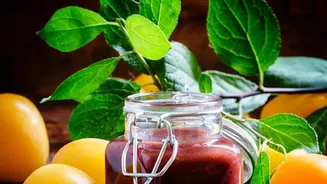
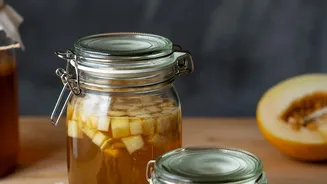
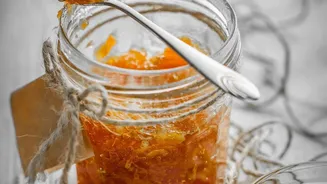
To enjoy your chutney for weeks to come, proper storage is key. Once the chutney has cooled down completely, transfer it to a clean, dry, and sterilised glass jar. To sterilise a jar, you can wash it with hot, soapy water, rinse it well, and then place it in an oven at a low temperature for about 15-20 minutes until it's completely dry. An airtight lid is crucial to prevent contamination. Stored in the refrigerator, your orange peel chutney should last for several weeks. The flavour often develops and deepens over time, so you might find it tastes even better a few days after making it.