




The Classic Winter Orange (Santra)
The quintessential winter fruit, the orange, or Santra, reaches its peak sweetness and juiciness during the colder months. A familiar sight in fruit baskets across the country, oranges are celebrated for their high vitamin C content, a crucial antioxidant
that helps bolster the immune system against seasonal colds and flu. This citrus favourite is also a good source of fibre, which aids digestion and promotes skin health by supporting collagen production. Beyond just peeling and eating, oranges can be juiced for a refreshing morning drink, segmented into salads for a burst of brightness, or used to flavour desserts and marinades.
The Versatile Guava (Amrood)
Guava, or Amrood, is a humble yet powerful fruit that shines during the Indian winter. In fact, the winter harvest is often considered superior in fragrance and sweetness. Surprisingly, guavas contain more vitamin C than oranges, making them an exceptional choice for strengthening immunity. Rich in dietary fibre, they support digestive health and can help in weight management by promoting a feeling of fullness. They are also a good source of potassium, which is beneficial for heart health. Guavas can be enjoyed fresh, often sliced and sprinkled with salt and chilli powder, or blended into juices and smoothies.
The Jewel-like Pomegranate (Anar)
Often called the 'jewels of winter', pomegranates are as nutritious as they are beautiful. The vibrant red seeds, known as arils, are packed with antioxidants that help protect the body's cells from damage and reduce inflammation. Pomegranates are also a good source of iron, vitamin C, and fibre. Regular consumption is associated with benefits for heart health, including helping to lower bad cholesterol levels. The arils add a sweet-tart crunch to salads, breakfast bowls, and yogurt, or can be juiced for a deeply flavourful beverage.
The Potent Amla (Indian Gooseberry)
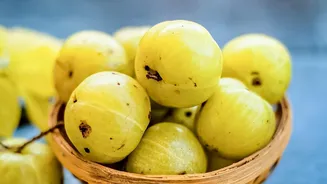
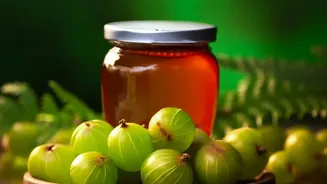
Amla is a true winter superfood, revered in Ayurveda for its extensive health benefits. This small, tart green fruit is one of the most potent natural sources of vitamin C, containing significantly more than an orange. This makes it a powerhouse for boosting immunity and fighting off seasonal infections. Amla is also known to support liver detoxification, improve digestion, and enhance skin and hair health. Due to its sharp taste, it's often consumed as a juice, made into pickles and chutneys, or enjoyed as 'amla candy' (murabba), where it is preserved in sugar syrup.
The Creamy Custard Apple (Sitaphal)
Sitaphal, or custard apple, is a uniquely sweet and creamy fruit that appears in markets during the late monsoon and winter seasons. Its soft, fragrant pulp has a flavour often compared to vanilla custard. Rich in vitamins C and B6, it helps boost both immunity and energy metabolism. The fruit is also a good source of fibre and magnesium, which aid in digestion and support heart function. Despite its sweetness, it has a low glycaemic index, making it a suitable choice in moderation for those watching their blood sugar. Sitaphal is typically eaten fresh, with its creamy segments scooped out with a spoon, or used to make delicious milkshakes, ice creams, and other desserts.
The Sweet Sapodilla (Chikoo)
Chikoo, also known as sapota, is a sweet and fleshy fruit with a distinctive malty or caramel-like flavour. While it fruits at different times of the year, one of its peak seasons falls in the cooler months. It is a natural source of sugars like fructose and sucrose, providing a quick energy boost. Chikoo is also rich in dietary fibre, which promotes gut health and aids digestion. Additionally, it contains vitamins A and C, which are beneficial for skin health and immunity. This fruit is most often enjoyed fresh by simply peeling and slicing it, but it also lends its unique sweetness well to milkshakes and smoothies.