





Plan Your Route and Check the Forecast
Monsoon travel is not the time for spontaneous, last-minute plans. Before you even book, research your destination. Some areas, like the Himalayan foothills (Uttarakhand, Himachal Pradesh) and parts of the Northeast, are prone to landslides and road blockages.
[8, 22] Coastal areas in Goa and Kerala can be beautiful but may have beach closures due to rough seas. [12] Always check the weather forecast from a reliable source like the India Meteorological Department (IMD) not just for your destination, but for the entire route. [5] Build buffer days into your itinerary; delays on trains and flights are common due to heavy rain and poor visibility. [5, 12] Booking accommodation with a flexible cancellation policy is a wise move. [5] If you're driving, plan to travel during daylight hours and ask locals or your hotel about road conditions each morning before heading out. [10, 17]
Driving Safely on Wet and Unpredictable Roads
Driving during the monsoon requires your full attention and a well-maintained vehicle. Before you start, ensure your tyres have sufficient tread, your brakes are in top condition, and your windscreen wipers are working effectively. [16, 17] Once on the road, the most important rule is to slow down. Wet roads, especially concrete ones, can be extremely slippery, and braking distances increase significantly. [2, 17] Keep a safe distance from the vehicle in front of you—at least double what you normally would. [16] Use your low-beam headlights even during the day to improve your visibility to others. [2, 6] Avoid driving through large puddles or waterlogged streets. You can't be sure of their depth, and driving through standing water can cause your car to stall or even lead to a permanently damaged engine. [2, 6, 16] If you do find your car hydroplaning (gliding on a layer of water), ease off the accelerator and steer in the direction you want to go until you regain control; do not brake suddenly. [16]
Pack Smart, Not Just Light
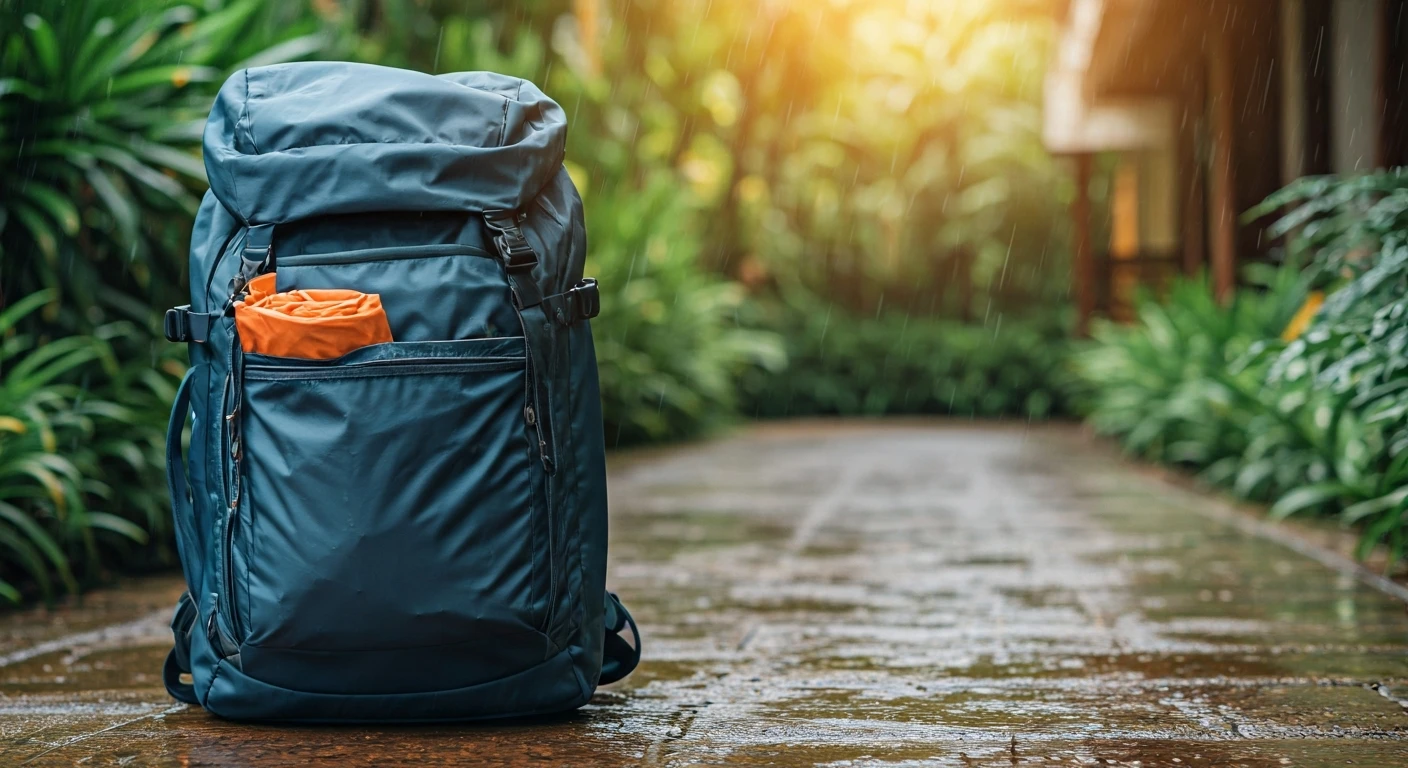
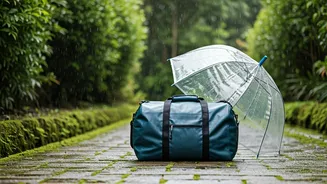
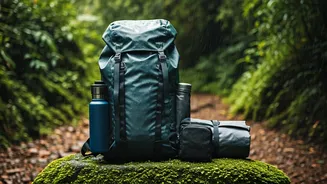
Your packing list needs a monsoon-specific upgrade. Prioritise function over fashion. Opt for quick-drying synthetic fabrics like polyester and nylon; avoid heavy materials like denim and thick cotton that take ages to dry in the humidity. [3, 9] A high-quality, lightweight raincoat or poncho is non-negotiable. [3, 7] For footwear, choose waterproof sandals or floaters with a good grip. [3, 7] Pack at least one extra pair. [8] To protect your valuables, use waterproof bags, dry bags, or even simple ziplock bags for your passport, phone, and other electronics. [7, 9] A sturdy, wind-resistant umbrella is also essential. [7] Given the humidity and wet conditions, it's also smart to pack dark-coloured clothing, which won't show mud splashes as easily. [3]
Prioritise Your Health and Hygiene
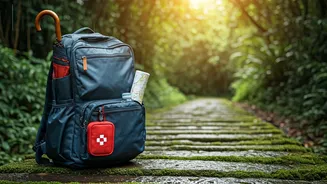
The monsoon is a breeding season for mosquitoes and waterborne diseases. [7, 21] Protect yourself from mosquito bites by wearing full-sleeved clothing and using a good insect repellent, especially in the mornings and evenings. [6, 7] Diseases like malaria, dengue, and chikungunya are common during this season. [21, 25] Be extremely cautious about food and water. Avoid street food, especially raw items like pre-cut fruits and salads, as they can be contaminated. [5, 13, 19] Drink only bottled, boiled, or purified water, and avoid ice from unknown sources. [13, 19] Always wash your hands with soap and water before eating, or use a hand sanitiser. [13, 18] It's also wise to carry a basic first-aid kit containing antiseptic wipes, bandages, pain relievers, anti-diarrhoeals, and any personal medications. [7, 8]
Be Prepared for Delays and Power Cuts
Patience is a virtue, and during monsoon travel, it's a necessity. Traffic jams due to waterlogging are common, so it's a good idea to keep your fuel tank topped up if you're driving. [2, 14] For the same reason, carry some non-perishable snacks and drinking water in your vehicle. [7, 14] Power outages can also be frequent, so a fully charged power bank is a modern-day essential to keep your devices running. [7] Have a plan B. If a road is blocked or a flight is cancelled, know what your alternatives are. Sometimes the best plan is to simply wait it out in a safe place until conditions improve. [17] Embracing the slower pace and unpredictability is part of the monsoon travel experience. [5]