








The Sealing Showdown: Roll-Top vs. A Knot
The primary failure of a standard plastic bag is its seal. A hastily tied knot or a simple fold-over offers little resistance to persistent rain, let alone accidental submersion in a water-logged street. Dry bags, however, feature a purpose-built closure
system, most commonly the 'roll-top'. This design requires you to fold the stiffened top edge down on itself at least three times before clipping it shut with a buckle. This creates multiple compressed layers that form a watertight barrier, effectively preventing water from seeping in. Furthermore, the seams on a dry bag are typically welded with heat and pressure, not stitched. This eliminates the thousands of tiny holes left by a needle, which are common entry points for water in regular bags.
Built for Battle: Superior Durability
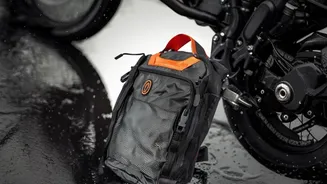
Think about the material of an average polybag. It’s thin, prone to stretching, and easily punctured by keys, corners of books, or even just repeated use. In contrast, dry bags are constructed from robust, heavy-duty materials like PVC (polyvinyl chloride), vinyl, or polyurethane-coated nylon. These fabrics are chosen specifically for their high abrasion and puncture resistance. A quality dry bag is designed to be tossed in a boat, strapped to a motorcycle, or scraped against a wall without tearing. This durability means it can reliably protect your expensive laptop, camera, and documents from the rough-and-tumble reality of a daily commute, not just from water.
Truly Waterproof, Not Just Water-Resistant
There is a significant difference between a water-resistant item and a waterproof one. A plastic bag might resist a light splash, but it offers zero guarantees if dropped in a puddle. Many quality dry bags are designed to be fully submersible for short periods. Their combination of waterproof fabric, welded seams, and a secure roll-top closure provides a complete barrier system against water ingress. This level of protection ensures that even if you're caught in a torrential downpour or have to wade through knee-deep water, the contents of your bag will remain perfectly dry. This isn't just about avoiding a minor inconvenience; it's about preventing the permanent loss of valuable electronics and important papers.
A Smarter Investment for Your Wallet and the Planet
While the initial cost of a dry bag is higher than a pack of plastic bags, its value becomes clear over time. A single, well-maintained dry bag can last for several years of regular use, making it a more cost-effective choice in the long run compared to constantly replacing flimsy, disposable bags. From an environmental perspective, the choice is even clearer. Opting for a reusable dry bag significantly cuts down on single-use plastic waste, which is a major environmental concern. Instead of contributing to pollution with bags that are used once and discarded, you are investing in a durable tool that serves its purpose season after season.
Designed for Real-World Convenience
Beyond just being waterproof, dry bags are designed with usability in mind. They come in a vast range of sizes, from small pouches perfect for a phone and wallet to large backpacks that can hold a week's worth of clothes. Many feature shoulder straps, D-rings for clipping onto other bags, and comfortable carrying systems that a clumsy plastic bag simply can't offer. Some even act as compression sacks, helping you save valuable space in your main rucksack. This versatility makes them not just a protective measure, but a functional piece of everyday equipment for hiking, commuting, or any outdoor activity where you might encounter rain, dust, or sand.