




The Dish Name: Be Specific
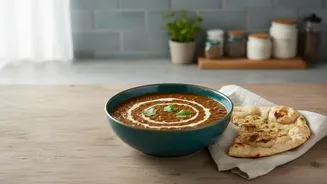
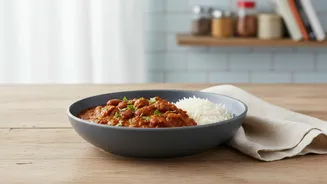
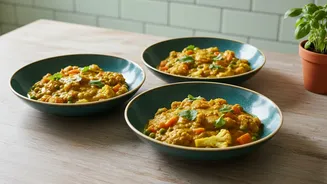
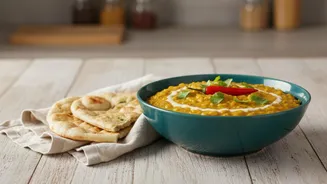
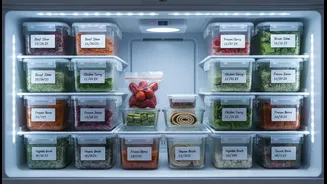
Simply writing “curry” or “soup” on a label is a recipe for future confusion. Is it a fiery Kolhapuri chicken or a mild vegetable korma? Is the soup a hearty lentil dal or a light tomato broth? Your future self will thank you for the details. Be specific
with the dish name and include key ingredients or characteristics. Think “Spicy Mutton Keema, No Potatoes” or “Palak Paneer, Extra Creamy.” This level of detail not only helps you quickly identify meals but also allows you to cater to different family members' preferences or dietary needs on a busy weeknight. A clear, descriptive name is the first and most crucial step in avoiding the dreaded freezer lucky dip.
The Date: Track Your Timeline
The date is arguably the most important piece of information for food safety and quality. While properly frozen food kept at -18°C is safe indefinitely, its quality in terms of flavour and texture degrades over time. Always label with the date the food was frozen. This allows you to follow the “First-In, First-Out” (FIFO) method, ensuring you use up older items first to minimise waste. As a general guideline, cooked meat dishes, soups, and stews maintain good quality for about 2 to 3 months. Some sources suggest cooked poultry can last up to 4 months. By clearly marking the date, you take the guesswork out of freezer management and ensure you’re always eating food at its best.
The Portion Size: Plan Your Servings
Including the portion size is a game-changer for meal planning. It prevents you from defrosting a family-sized portion of biryani for a solo lunch or, conversely, finding you only have enough for one when you need to feed four. Be precise. Use descriptions like “1 large adult portion,” “Serves 2,” or “4 small servings for kids.” This information makes it incredibly easy to grab exactly what you need. If you’re preparing food for others, such as new parents or a friend recovering from illness, noting the portion size is a thoughtful touch that makes their life even easier. It streamlines the process from freezer to table, eliminating waste and last-minute dinner panic.
Reheating Notes: A Gift to Your Future Self
Never underestimate the power of reheating instructions. After a long day, the last thing you want to do is figure out whether a frozen dish should be microwaved, baked, or thawed first. Providing clear notes on the label removes all friction. For best results with many meals, thawing overnight in the refrigerator is recommended. However, it's safe to reheat many foods from frozen; it just takes longer. Your notes could be as simple as: “Thaw overnight. Reheat in oven at 180°C for 25 mins” or “Microwave from frozen for 5-7 mins, stirring halfway.” For safety, always reheat leftovers until they are steaming hot throughout, reaching an internal temperature of at least 74°C (165°F).
The Right Tools for the Job
An effective labelling system relies on the right tools. Regular pens can smudge and fade in the cold, and standard labels often peel off due to moisture and low temperatures. Invest in a good quality permanent marker, often called a freezer marker, that uses ink designed to withstand cold and condensation. For labels, masking tape is a popular and inexpensive choice that sticks well and is easy to write on. Alternatively, you can buy freezer-specific labels that use an adhesive formulated to remain effective at freezing temperatures. Whatever you choose, apply the label to your container when it is clean, dry, and at room temperature for the best adhesion before placing it in the freezer.