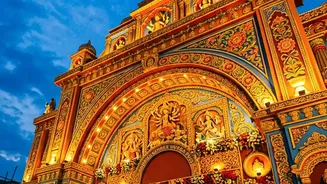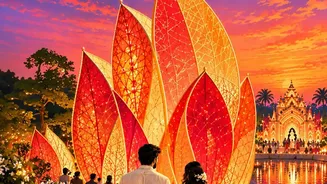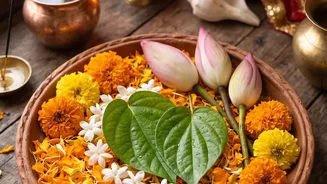




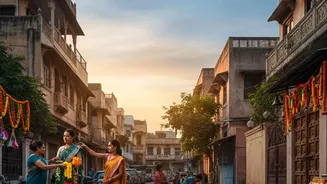
Every year, the ancient city of Ayodhya transforms into a river of light for Deepotsav, commemorating Lord Ram's return. If you plan to witness the breathtaking spectacle in 2026, this practical guide will help you navigate the journey.
Understanding the Grandeur of Deepotsav
Ayodhya Deepotsav
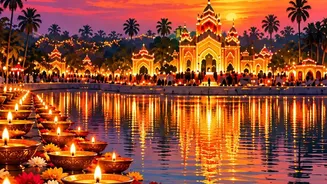
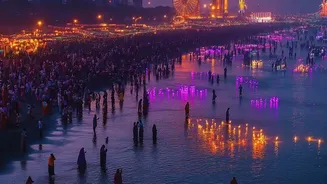
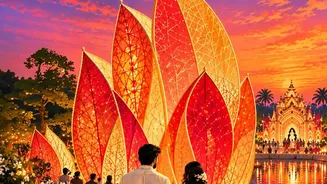
is a government-organized festival of lights held on the eve of Diwali. Started in 2017, it has grown into a globally recognized event, celebrating Lord Ram's homecoming after 14 years of exile. The festival's centerpiece is the mass lighting of millions of earthen lamps, or 'diyas', along the ghats of the Saryu River, particularly at Ram Ki Paidi. This stunning display has repeatedly set Guinness World Records. The celebration also includes grand processions, cultural performances, a spectacular Saryu Aarti, and a modern twist with elaborate laser, projection, and drone shows that narrate stories from the Ramayana.
Expected Dates and Key Events
For 2026, the main Deepotsav event is expected to take place on the evening of Saturday, November 7, which is Choti Diwali. Diwali falls on Sunday, November 8. The festivities are typically held in three phases: a 'Shobha Yatra' (tableau procession) from Saket College, ceremonial events at Ram Katha Park, and the grand finale at Ram Ki Paidi in the evening. The evening's highlights include the Saryu Aarti, the simultaneous lighting of lakhs of diyas at dusk, and drone and laser shows over the river. The official schedule is confirmed by the Uttar Pradesh tourism department closer to the date, so it's wise to check for final timings before you travel.
How to Reach Ayodhya
Reaching Ayodhya is more accessible than ever. By air, the Maharishi Valmiki International Airport in Ayodhya offers direct connections to major cities like Delhi and Mumbai. Alternatively, Lucknow's airport is about 135 km away and provides a reliable option with good road connectivity. By train, Ayodhya Dham Junction and Ayodhya Cantt are the two main railway stations with services from across the country. The city is also well-connected by road to nearby cities like Lucknow, Varanasi, and Gorakhpur. Given the festival rush, it is crucial to book your flights or train tickets several weeks, if not months, in advance.
Securing Your Accommodation
Hotel rooms and dharamshalas in Ayodhya sell out extremely fast for Deepotsav week. It is essential to book your stay far in advance. Accommodations near Ram Ki Paidi, Naya Ghat, and Ram Path are the most convenient for the main event but are also the first to be fully booked. The area of Ayodhya Cantt (formerly Faizabad) offers more choices and is just a short ride away from the main festival sites. Options range from luxury and mid-range hotels to budget-friendly guesthouses and dharamshalas for simple, low-cost stays.
Best Viewing Spots and Tips
Ram Ki Paidi is the epicentre of the diya lighting ceremony. To secure a spot here, you should plan to arrive by mid-afternoon, as access to the main steps can be restricted by dusk. Naya Ghat offers a panoramic view of the Saryu Aarti and is an excellent vantage point for the drone and fireworks show. For a quieter experience away from the densest crowds, consider Lakshman Ghat or Guptar Ghat. The New Saryu Bridge provides a stunning aerial, panoramic view of the entire spectacle. General viewing is typically free, but some enclosures may require passes, details of which are announced by official channels only.
Navigating Crowds and Staying Safe
Expect massive crowds and significant security. The administration deploys thousands of police and paramilitary personnel, alongside drone surveillance and CCTV cameras, to manage safety. Vehicle movement is heavily restricted around Ram Path and the main venues, so be prepared to walk. Wear comfortable footwear and modest clothing. Carry a government ID, a water bottle, and a power bank. If you are with children or elderly family members, establish a meeting point in case you get separated and try to choose a spot near an exit. To avoid the biggest rush, consider leaving just before the final show concludes.