

What is Pet Enrichment?
Pet enrichment is the practice of creating a stimulating environment that allows an animal to engage in its natural behaviours, boosting its overall well-being. It goes beyond a simple game of fetch. It’s about challenging your pet’s mind, engaging their
senses, and providing them with opportunities to problem-solve, explore, and play in ways that are deeply satisfying. When pets lack these outlets, they can experience boredom, stress, and anxiety, which often leads to unwanted behaviours like destructive chewing, excessive barking or meowing, and restlessness. Providing varied enrichment is not a luxury; it's a fundamental part of responsible pet care that nurtures their psychological and physiological health.
Why Mental Stimulation Is as Important as Physical Exercise
A long walk can tire your dog's body, but what about their brain? A restless dog pacing the house after exercise or a cat that sleeps all day out of sheer boredom are common signs of understimulation. Mental challenges can be just as exhausting as physical activity and are crucial for a pet's emotional balance. These activities help prevent cognitive decline in older pets, build confidence, reduce stress, and curb destructive habits that arise from a mind with nothing to do. Think of enrichment as giving your pet a 'job' to do, one that fulfils their instinctual needs to sniff, hunt, chew, and think.
Enrichment Ideas for Dogs
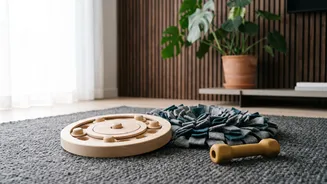
Dogs thrive on variety and having a task to complete. Instead of simply placing their food in a bowl, turn mealtime into a game. Use puzzle feeders, snuffle mats, or simply hide their kibble around the room for them to find. This taps into their natural foraging instincts. Scent work is another powerful tool; you can play 'find the treat' games or take them on a 'sniffari' where they lead the way on a walk, exploring every smell at their own pace. Rotate their toys to keep them novel and interesting. Short, positive training sessions to learn new tricks are also a fantastic way to engage their brain and strengthen your bond.
Enrichment Ideas for Cats
Cats, especially indoor ones, require stimulation that mimics their natural hunting instincts. Interactive wand toys that flutter and skitter like prey are far more engaging than a static toy mouse. Providing vertical spaces is also critical; cat trees, shelves, and window perches allow them to climb and observe their territory from a safe height. Like dogs, cats benefit from food puzzles, which challenge them to work for their meals. You can also create sensory experiences by bringing in new smells (like cat-safe herbs), textures (a cardboard box or a crinkly paper bag), or visual stimulation like 'cat TV'—videos of birds and squirrels. Even rotating where you place their favourite cat tree can offer a new and exciting perspective.
Easy and Low-Cost Ways to Start
Enrichment doesn't have to be expensive or time-consuming. Many of the best tools are already in your home. A simple muffin tin can become a puzzle toy by placing treats in the cups and covering them with tennis balls. A cardboard box filled with crumpled paper and hidden treats makes an exciting treasure hunt for both dogs and cats. You can even roll up treats in an old towel for your dog to unravel. The goal is to introduce variety and give your pet choices and problems to solve. If you notice persistent behavioural issues like severe anxiety or aggression, it's always best to consult with your veterinarian to rule out any underlying medical causes before starting a new enrichment plan.