



From White Rice to Millets
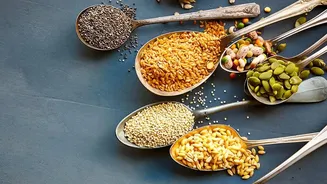
For generations, white rice has been the foundation of countless Indian meals. But today, ancient grains like ragi, jowar, and bajra are making a major comeback. Driven by a desire for better blood sugar control and higher nutritional value, urban households
are swapping refined rice for these hardy cereals. Millets are packed with fibre, protein, and essential minerals like iron and calcium, outperforming polished rice in almost every aspect. This swap isn't just a health trend; it's a return to the dietary diversity that was once common in India.
From Refined Sugar to Jaggery
The battle of sweeteners has a clear winner in many modern Indian homes: jaggery, or 'gur'. Unlike white sugar, which is stripped of nutrients during processing, jaggery retains minerals like iron, potassium, and magnesium. Consumers are switching to this unrefined sweetener for everything from their morning chai to festival sweets, viewing it as a more wholesome alternative. While it still contains calories, jaggery’s rich, caramel-like flavour and antioxidant content make it a popular choice for those looking to avoid 'empty calories'.
From Wheat Atta to Multigrain Atta
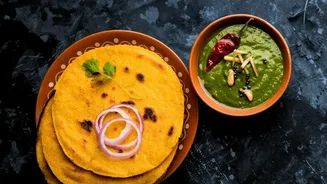
The humble roti is getting a nutritional upgrade. Instead of relying solely on wheat, families are now choosing multigrain atta, a blend of grains like oats, soya, channa, and ragi. This shift is driven by a growing awareness of the benefits of dietary fibre for digestion and sustained energy. A multigrain chapati offers a broader spectrum of nutrients than a plain wheat one, supporting everything from gut health to better blood sugar management. It’s a simple change that makes India’s most essential flatbread even healthier.
From Refined Oils to Cold-Pressed Oils
Indian kitchens are rediscovering the robust flavours and health benefits of traditionally extracted oils. Cold-pressed oils—like mustard, groundnut, and coconut—are extracted without heat or chemicals, which helps them retain their natural nutrients, antioxidants, and aroma. Many are turning away from industrially refined oils, which undergo processes like bleaching and deodorizing that strip away their goodness. This switch represents a move towards cleaner, less-processed ingredients and a return to the authentic tastes of regional Indian cooking.
From Potato Chips to Roasted Makhana
The go-to snack for evening chai is no longer just a fried packet of chips or namkeen. Makhana (fox nuts or lotus seeds) has emerged as a national favourite. Once considered a food for fasting, this crunchy, light, and nutritious snack is now a daily habit for many. Roasted and seasoned, makhana offers a low-calorie, high-protein, and gluten-free alternative to processed snacks. It provides a satisfying crunch without the excess fat and sodium, making it a smarter choice for guilt-free munching.
From Dairy Milk to Plant-Based Milks
The dairy aisle is looking different these days, with almond, soy, and oat milks carving out significant space. This trend is fuelled by rising lactose intolerance, ethical considerations, and a general move towards vegan and health-conscious diets. Soy milk currently dominates the market due to its affordability and availability, but oat milk is rapidly gaining popularity. These plant-based alternatives are no longer just for coffee shops; they are being used in home kitchens for everything from smoothies to desserts.
From Maida Noodles to Millet Noodles
Instant noodles are a convenience food staple, but their maida (refined flour) base is a growing concern for health-conscious parents and individuals. The market has responded with a new generation of noodles made from millets like ragi and jowar, as well as quinoa and whole wheat. These alternatives offer more fibre and nutrients, turning a guilty pleasure into a more balanced meal. They cook just as quickly but provide sustained energy instead of a blood sugar spike, making them a healthier comfort food.
From White Bread to Sourdough & Wholegrains
The standard white bread loaf is being replaced by denser, more nutritious options. Sourdough and whole multigrain breads are becoming increasingly popular choices for sandwiches and toast. The appeal lies in better gut health, as sourdough is fermented, and the higher fibre content of wholegrain breads. Consumers are reading labels more carefully and opting for bread that provides tangible nutritional benefits over a simple, refined carb.
From Sugary Yogurt to Greek Yogurt
Yogurt has always been a health food in India, but the focus is now shifting to protein. High-protein Greek yogurt and strained curd are replacing sweet, dessert-style flavoured yogurts in refrigerators. This swap is part of a larger trend where consumers are actively seeking to increase their protein intake through everyday foods. Plain Greek yogurt serves as a versatile base for both sweet and savoury dishes, offering a creamy texture with double the protein and less sugar.
From Packaged Juice to Coconut Water & Fresh Juices
The desire for hydration without hidden sugars is leading people to ditch packaged fruit juices, which are often high in sugar and preservatives. Instead, natural alternatives like fresh coconut water, cold-pressed vegetable juices, and traditional drinks like sattu sharbat and aam panna are seeing a resurgence. This change reflects a growing understanding that whole fruits are better than their processed juice forms and that natural hydration provides more benefits than sugary, flavoured drinks.