


Common Drying Mistakes to Avoid
In a rush, it’s easy to turn to quick but destructive methods for drying shoes. The most common mistake is using direct, high heat. Tossing shoes into a clothes dryer may seem efficient, but the combination of tumbling and intense heat can be ruinous.
It can warp the shape of your shoes, cause materials to shrink, and weaken or melt the adhesives that hold them together. Similarly, placing footwear next to a radiator, space heater, or in direct sunlight can cause significant damage. The concentrated heat can make leather crack and become brittle, while the sun's UV rays can fade colours and degrade materials over time.
The Ideal Drying Environment
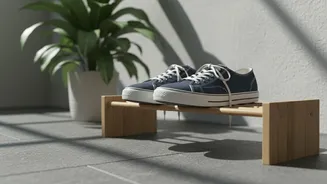
The headline says it all: a shaded, well-ventilated area is the gold standard for drying shoes safely. Ventilation is key because constant airflow helps evaporate moisture efficiently, which is crucial for preventing the growth of mould, mildew, and odour-causing bacteria that thrive in damp, dark environments. A spot near an open window, a balcony out of direct sun, or in a room with good air circulation will work perfectly. The shade protects the shoe’s materials from the harshness of direct sunlight, preserving both its colour and structural integrity. Patience here ensures your shoes last longer and stay fresh.
A Step-by-Step Guide to Air-Drying
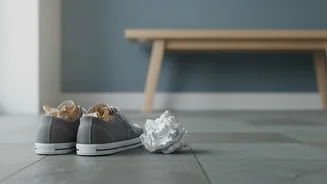
To effectively air-dry your shoes, a little prep work goes a long way. First, if possible, remove the insoles and loosen the laces. This opens up the shoe, allowing air to circulate more freely and ensuring every part dries thoroughly. Insoles are designed to absorb moisture, so drying them separately is essential. Next, stuff the shoes with a moisture-absorbing material. Crumpled newspaper is a classic and effective choice because it draws water out from the inside. Just be sure to replace the newspaper every few hours if the shoes are particularly soaked. Finally, position the shoes to maximize airflow, such as on their sides or propped up against a wall.
How to Safely Speed Up the Process
While direct heat is a bad idea, you can still accelerate the drying process safely. One of the best methods is to use a fan. Place your prepped shoes in front of a room fan on a cool setting. The constant, gentle airflow will dramatically reduce drying time without the risk of heat damage. Another option for very damp climates is to place the shoes in a small, enclosed room with a dehumidifier, which pulls moisture out of the air and, by extension, from your shoes. For delicate materials like leather or suede, silica gel packets are an excellent, heat-free option to draw out moisture.
Special Care for Different Materials
Not all shoes are created equal, and different materials require slightly different approaches. Canvas and synthetic athletic shoes are generally resilient and respond well to the standard air-drying process with a fan. Leather and suede, however, are far more delicate. Heat can cause leather to crack and lose its suppleness, while water can stain suede. For these materials, it's crucial to avoid any form of direct heat. Always dry them slowly at room temperature. After leather shoes are completely dry, it’s a good practice to apply a leather conditioner to restore moisture and keep the material from becoming brittle.