



Before You Leave: Check and Prepare
Spontaneity is a casualty of the monsoon. Before stepping out, a few minutes of preparation can save you hours of trouble. Always check the weather forecast from a reliable source like the India Meteorological Department (IMD). If heavy rain or flooding
is predicted, reconsider any non-essential travel. Ensure your phone is fully charged and carry a power bank. Pack a small emergency kit containing a first-aid box, a torch, dry snacks, and drinking water. For your vehicle, this is the time to ensure your tyres have adequate tread, brakes are responsive, and wipers are in top condition.
For Drivers and Riders: Caution is Key
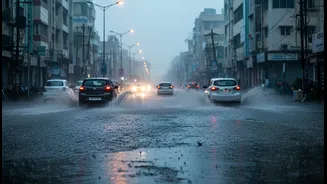
Roads transform into unpredictable obstacle courses during heavy rain. The most important rule is to slow down. Wet roads significantly increase braking distance and the risk of skidding or hydroplaning. DO: Maintain a much longer following distance from the vehicle ahead—at least double the usual. Use your low-beam headlights even during the day to improve your visibility to others. If visibility becomes dangerously low, pull over to a safe spot off the main road and wait for conditions to improve. DON'T: Never attempt to drive through a waterlogged area if you cannot gauge the depth. As little as six inches of moving water can affect a vehicle's control, and deeper water can stall your engine or even float your car. If your car stalls in water, do not try to restart it; this can cause severe engine damage. Avoid sudden braking or sharp turns, which can easily lead to losing control on a slippery surface.
For Pedestrians: Watch Your Step
Walking during a downpour presents its own set of serious risks. Waterlogging can conceal open manholes, uneven surfaces, and other hazards. DO: Wear footwear with a good grip to avoid slipping on slick surfaces. Try to wear bright or reflective clothing to make yourself more visible to motorists in low-light conditions. If you must walk through water, do so slowly and be extremely cautious of what might be hidden beneath. DON'T: Avoid walking close to lamp posts or touching any electrical poles, as faulty wiring combined with water is a deadly combination. Do not walk through stagnant water whenever possible, as it is often contaminated with sewage and can cause infections. Don't get so distracted by your phone or umbrella that you lose awareness of your surroundings, including traffic and hazards on the ground.
The Hidden Dangers: Electricity and Contamination
Two of the most lethal but often overlooked dangers during the monsoon are electrocution and waterborne diseases. Tragic incidents involving exposed electrical wires in waterlogged areas are reported every year. Assume any submerged or dangling wire is live. Report any such hazards to the authorities immediately. Never touch electrical switches with wet hands, and if water enters your home, switch off the main power supply to prevent short circuits or shocks. Furthermore, floodwater is a cocktail of germs. Avoid consuming street food and water from unverified sources, as the risk of contracting diseases like cholera, typhoid, and gastroenteritis increases significantly during this season.