

The Daily Grind: What Sitting Actually Does to Your Body
The modern workday, for many, involves long hours spent in a chair. This sedentary behaviour is linked to a host of health issues, including an increased risk for obesity, heart disease, and diabetes. But the more immediate effects are musculoskeletal.
When you sit for extended periods, certain muscles become tight and shortened while others become weak and inactive. The primary culprits are your hip flexors, which get stuck in a flexed position, and your glutes, which essentially switch off from lack of use. This imbalance can lead to poor posture, manifesting as rounded shoulders and a forward-hunched neck. Over time, this can cause chronic pain in the lower back, neck, and shoulders, with studies showing these are the most prevalent issues among office workers. The result is a body that feels stiff, sore, and less capable of movement.
Active Recovery: More Than Just a Gym Term
You might associate the term 'active recovery' with elite athletes, but the principle is simple and applies to everyone. It involves performing low-intensity movements to help your body heal and feel better after a period of stress. For an athlete, that stress is a hard workout. For a desk worker, the stress is eight hours of continuous sitting. These recovery techniques focus on increasing blood flow, reducing muscle stiffness, and improving flexibility. By incorporating simple recovery 'hacks' into your day, you can actively counteract the negative effects of being stationary and help your body return to a more natural, balanced state. Taking short, active breaks has been shown to be an effective way to break up long periods of sitting and improve overall well-being.
Hack 1: Unleash Tension with a Foam Roller
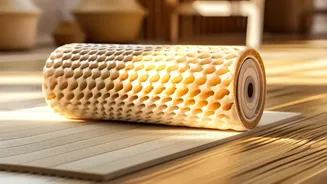
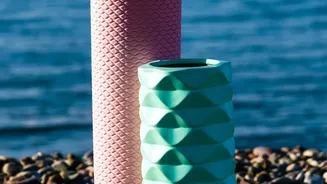
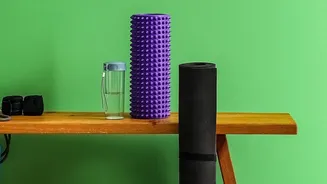
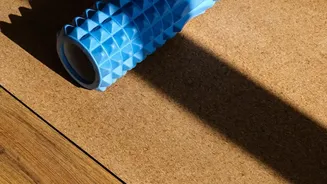
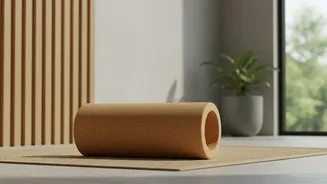
One of the most effective tools for undoing desk-induced tightness is the foam roller. This technique, known as self-myofascial release, involves using your body weight to apply pressure to specific muscle groups. This pressure helps to break up knots and adhesions in your fascia, the connective tissue that surrounds your muscles. For desk workers, key areas to target are the upper back, glutes, hamstrings, and calves, all of which become tight from sitting. Rolling these areas for just a few minutes can increase blood flow, release muscle tension, and improve your range of motion. A study found that an eight-minute self-massage with a foam roller after prolonged sitting significantly reduced muscle tension. You can keep a small roller at your desk for quick, effective breaks.
Hack 2: Get Moving with Dynamic Stretches
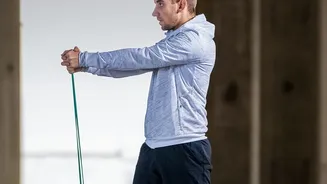
While holding a stretch feels good, dynamic stretching—or stretching through movement—is often more beneficial for waking up a sedentary body. Unlike static stretches which are held in one position, dynamic movements take your joints and muscles through a full range of motion. This not only boosts flexibility but also increases circulation and prepares your body for movement. Simple dynamic stretches you can do in the office include leg swings (forward-and-back and side-to-side), torso twists, and arm circles. Even a simple lower back stretch, where you stand, place your hands on your lower back, and gently extend backwards, can provide immense relief. Taking a break to perform these movements helps to lubricate your joints and combat the stiffness that builds up throughout the day.
Hack 3: Activate Your Sleepy Muscles
Just as important as releasing tight muscles is waking up the ones that have gone dormant. The glutes are a prime example; they are largely inactive when you're sitting, which can contribute to lower back pain as other muscles compensate. Simple activation exercises can help 'remind' these muscles to fire properly. Glute bridges are a fantastic option: lie on your back with your knees bent, feet flat on the floor, and lift your hips towards the ceiling, squeezing your glutes at the top. Another excellent exercise is the 'bird-dog', where you start on all fours and extend an opposite arm and leg simultaneously while keeping your core stable. These movements don't require any equipment and can easily be done during a short break, helping to restore proper muscle balance and support your posture.