



A City in the Sky with a Staggering Price Tag
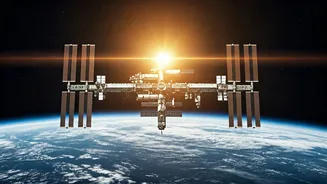
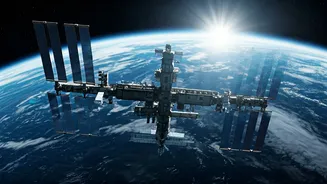
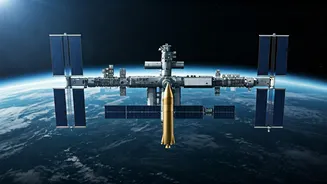
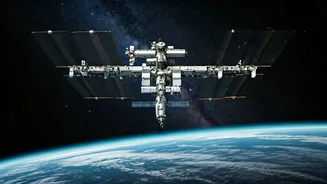
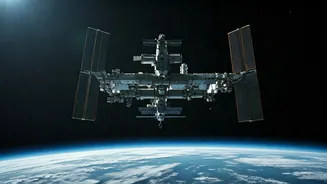
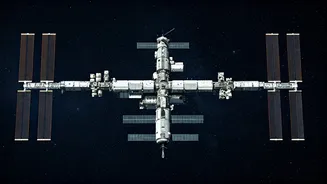
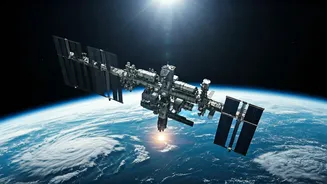
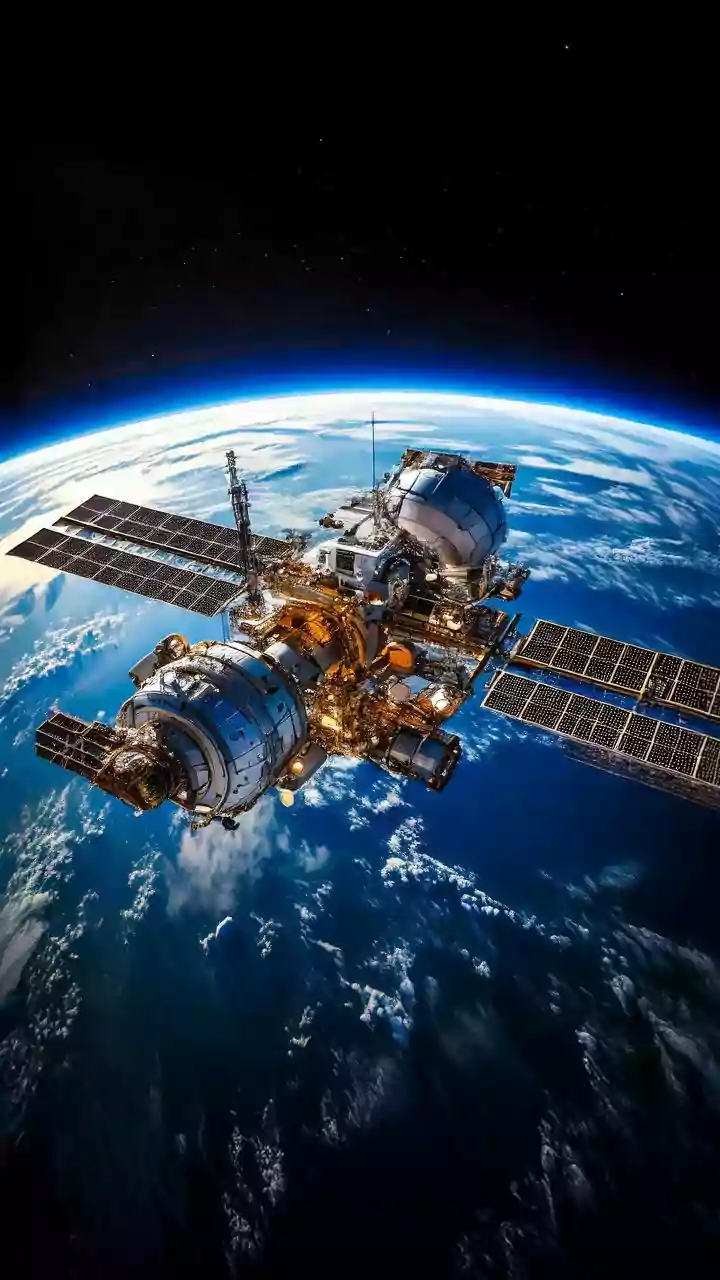
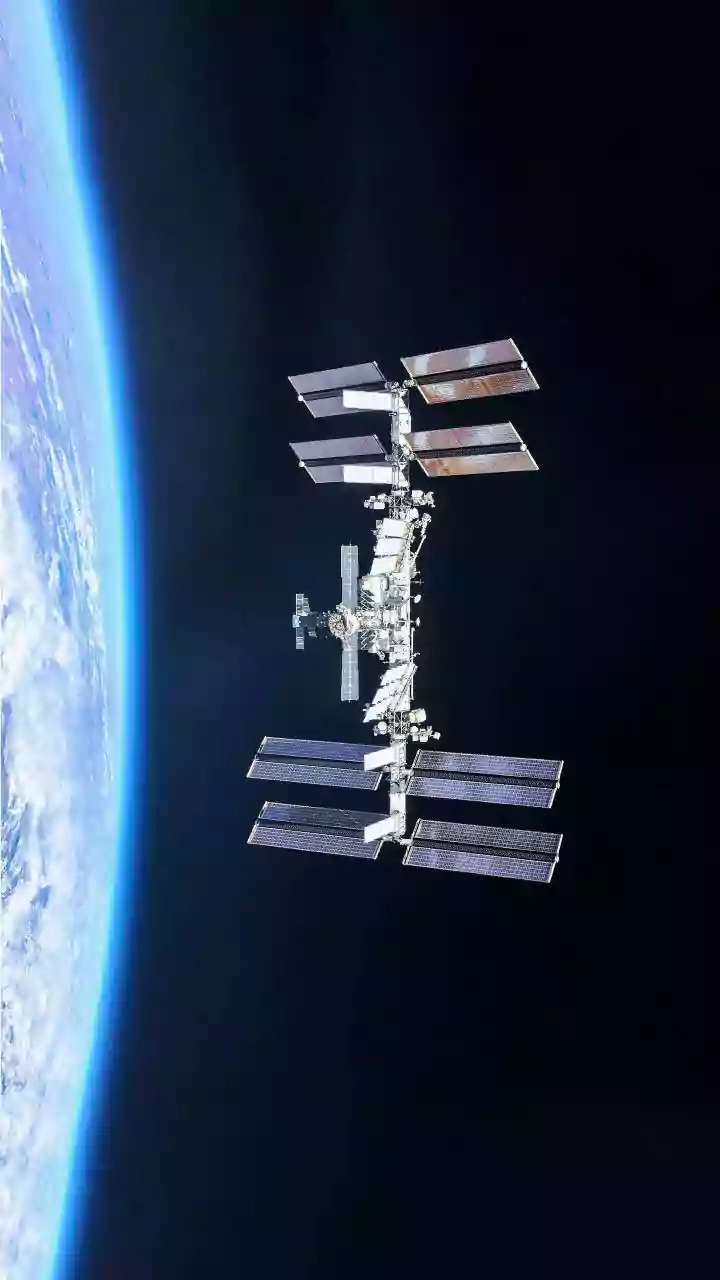
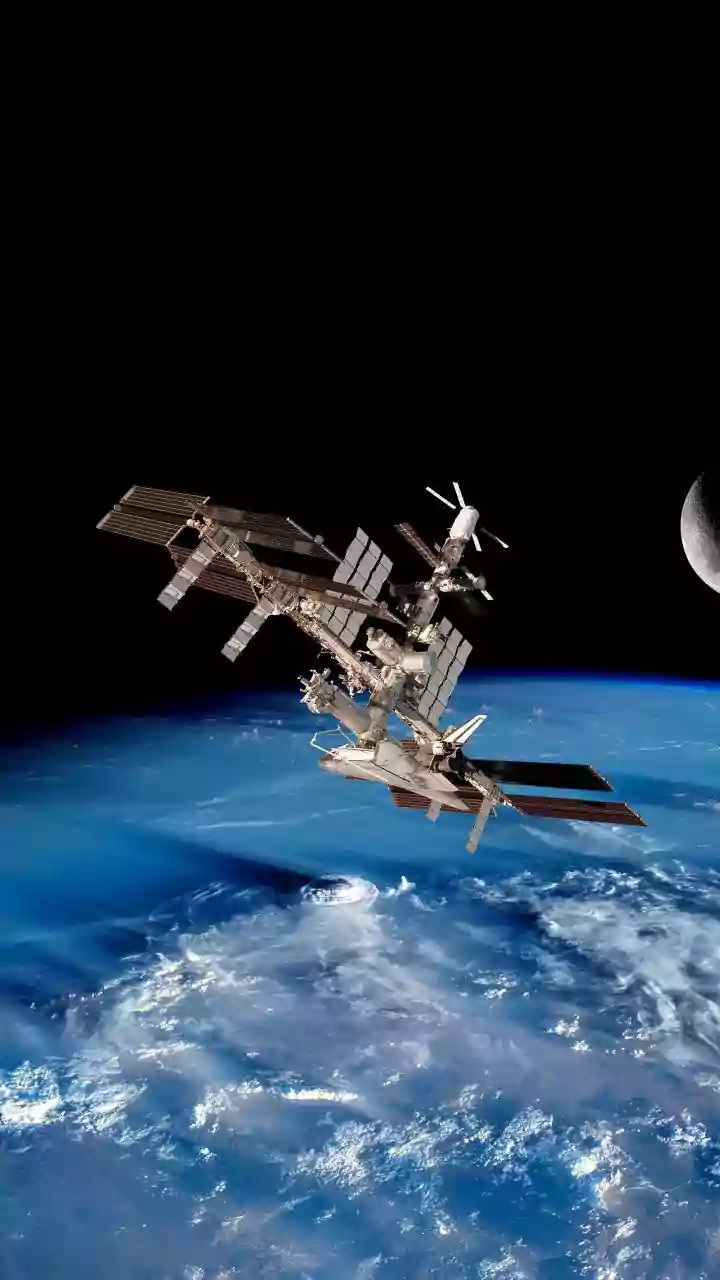
Orbiting 420 kilometers above our heads is the single most expensive object ever built by humans: the International Space Station (ISS). Assembled piece by piece in orbit starting in 1998, this sprawling habitat is larger than a six-bedroom house and
has been continuously occupied by astronauts since November 2000. It represents one of the most significant feats of international cooperation, primarily built and operated by the United States, Russia, Europe, Japan, and Canada. But this symbol of global partnership came with a monumental cost. While pinning down an exact figure is notoriously difficult, estimates for the total cost of construction and operation range from over €100 billion to as high as $150 billion, with some analysts suggesting the true lifetime cost to all partners could be closer to $250 billion. The US alone spends around $3 billion annually just to keep the lights on. It's this colossal figure that often causes jaws to drop.
The End of an Era Is Nigh
The reason the ISS and its price tag are suddenly back in the headlines is simple: its days are numbered. After decades of service, the station is showing its age. Structural fatigue, persistent air leaks, and the ever-increasing cost of maintenance have led NASA to plan for its retirement. The current plan is to deorbit the ISS around 2030, guiding the 420-tonne structure to a controlled and fiery re-entry over a remote part of the Pacific Ocean known as the "spacecraft cemetery." This news has acted as a catalyst, sparking a wave of rediscovery and surprise, particularly among younger generations who may not have followed its journey from the beginning. For many, the ISS was simply a fact of life, always there but rarely considered. The announcement of its impending demise has forced a new reckoning with its existence, purpose, and monumental cost.
What Did We Get for All That Money?
The sticker shock is understandable, but supporters argue the station’s value far exceeds its financial cost. For over two decades, the ISS has served as a unique microgravity laboratory, hosting more than 3,000 experiments that are impossible to conduct on Earth. This research has led to significant breakthroughs. Scientists have developed new methods to combat bone density loss and muscle atrophy, knowledge crucial for future long-duration missions to Mars. Research on protein crystals has advanced drug development for diseases like cancer and Alzheimer's. Technologies designed for the station, such as advanced water filtration systems that recycle 93% of water, now have applications in providing clean water in remote areas on Earth. Beyond science, it has been a crucial proving ground for international cooperation and a constant human presence in space, setting the stage for future exploration.
A Generational Divide in the Stars
The "shock" many feel is not just about the price tag, but about priorities. For the generations that came of age during the Cold War and the initial space race, massive government spending on space exploration was often seen as a national imperative. Today, a younger generation grappling with climate change, economic instability, and social inequality may view a multi-billion-dollar orbital laboratory differently. The question being implicitly asked is: could that money have been better spent on Earth? It's a valid debate, reflecting a shift in how different generations perceive grand, state-funded projects. The planned deorbiting itself has raised new environmental questions about using the ocean as a disposal site for enormous structures. This has added another layer to the complex cost-benefit analysis of the station's legacy.
The Future Is Commercial
The retirement of the ISS does not signal an end to human presence in low-Earth orbit. Instead, it marks a fundamental shift. NASA's strategy is to transition from being an owner-operator to a customer. The agency is actively fostering the development of privately owned and operated commercial space stations. Companies like Axiom Space, Vast, and a partnership including Blue Origin are all in the race to build the next generation of orbital habitats, envisioned as mixed-use business parks in space for research, tourism, and manufacturing. This new model, NASA hopes, will drive down costs and free up government resources to focus on more audacious goals, like returning humans to the Moon and venturing on to Mars. The end of the ISS is the end of one chapter, but the beginning of a new, more commercialized era of space exploration.