








The Big News: What's Changed?
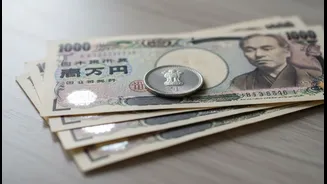
In a significant global update, Japan revised its visa fees for the first time in nearly 50 years, with charges increasing by as much as five times for many nationalities from July 1, 2026. For most foreign travellers, a single-entry visa now costs approximately
₹8,760 (JPY 15,000), and a multiple-entry visa is around ₹17,520 (JPY 30,000). However, amidst this massive hike, there's a silver lining specifically for Indian passport holders. The Embassy of Japan in India confirmed that the concessional fee arrangement for Indians remains untouched. This means Indian citizens are exempt from the global increase, making a trip to Japan significantly more affordable compared to travellers from other nations.
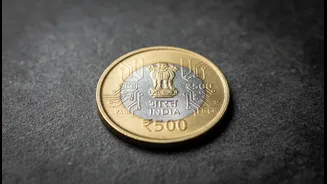
The Golden Number: ₹500
For Indian applicants, the visa fee remains a flat ₹500. This applies to both single-entry and multiple-entry short-term visas, a policy that underscores the strong bilateral ties between the two countries. While travellers from other countries will now pay substantially more, Indians continue to benefit from one of the lowest visa fees offered by Japan globally. It is important to note that this amount does not include the standard service charge levied by VFS Global, the authorised partner for visa submissions. So, while the core embassy fee is minimal, applicants should budget for the additional VFS service fees during their application.
How to Apply and Who Is Eligible
The application process for Indian citizens remains consistent. All Indian nationals residing in India are eligible to apply under this fee structure. Applications must be submitted through designated VFS Global centres across the country. Japan also offers an e-visa system for Indian tourists applying for a single-entry short-term visa of up to 90 days. Regardless of the method, the required documents typically include a valid passport, a completed application form, recent photographs, flight and hotel bookings, a detailed itinerary, and proof of sufficient funds to cover the trip. The embassy advises applying up to three months before your intended travel date.
Why This Matters for Indian Travellers
This exemption is fantastic news against a backdrop of surging Indian interest in Japan. In 2025, Japan welcomed a record-breaking number of Indian visitors, with arrivals crossing 300,000 for the first time. Indian tourists are also among the higher spenders, contributing significantly to Japan's tourism economy. The decision to maintain low visa fees for Indians makes Japan an even more attractive long-haul destination, especially for young travellers, families, and honeymooners drawn to its unique blend of pop culture, culinary delights, and natural beauty. With improved air connectivity and a growing appreciation for Japanese culture, this visa fee advantage is set to fuel the travel boom further.
One Minor Change to Note
While the fee structure for tourist visas is a win for Indians, there is one universal change that affects all travellers. Japan has discontinued its separate transit visa category. This means individuals who previously would have applied for a transit visa to pass through Japan may now need to apply for a short-term stay visa, depending on their itinerary and nationality. It's a small but important detail to consider if your travel plans involve a layover in the country. For most tourists heading directly to Japan, however, the primary takeaway is the continued affordability of the visa itself.