




The Rain Shadow Advantage
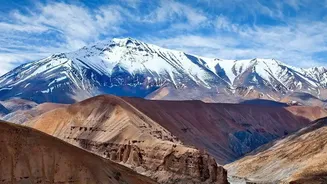
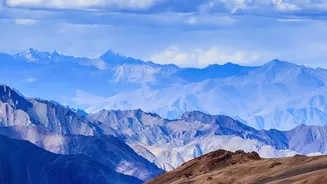
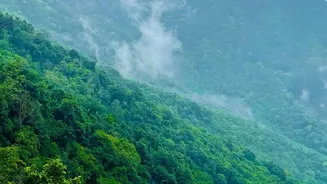
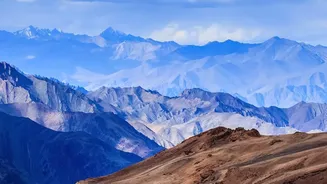
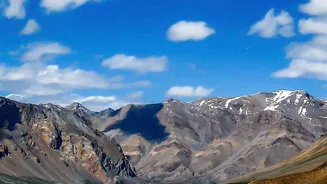
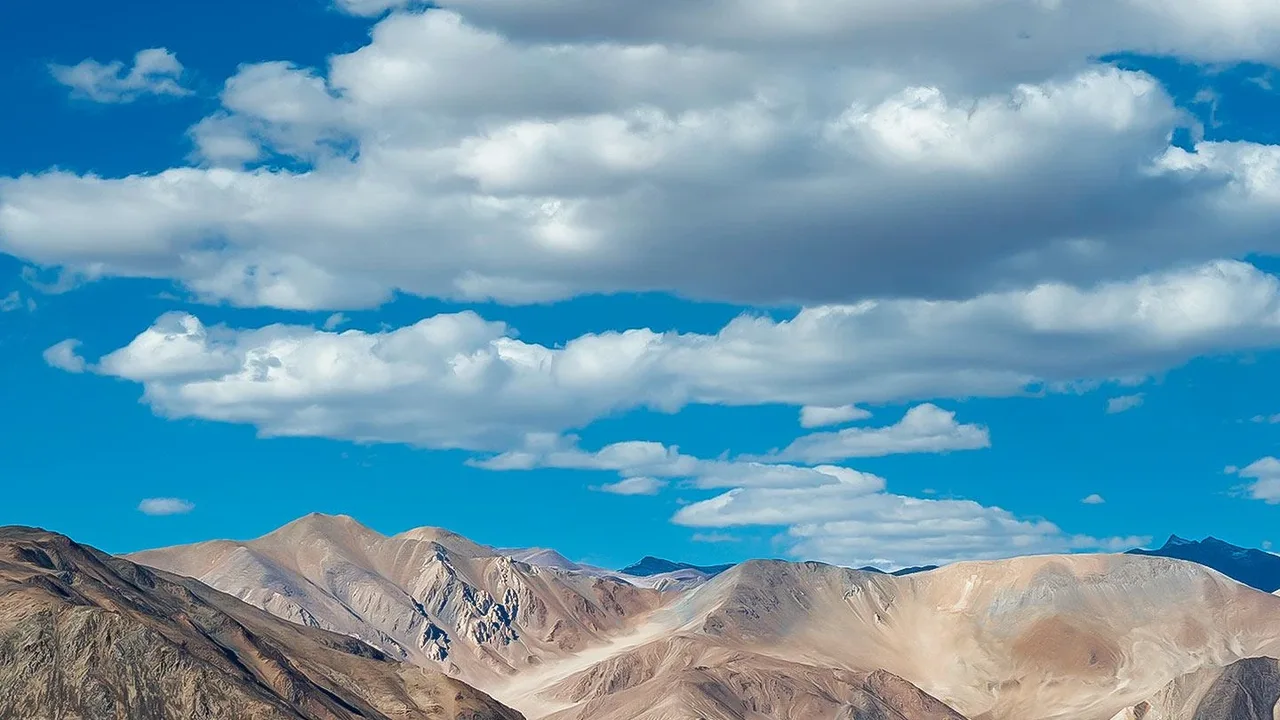
The secret to Ladakh's appeal from July to September lies in its unique geography. The towering Himalayan and Zanskar ranges effectively block the moisture-laden monsoon clouds that drench the rest of the subcontinent. While other hill stations contend
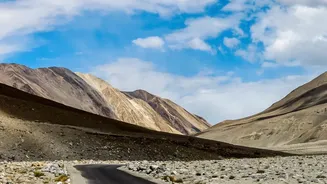
with downpours and landslides, Ladakh experiences minimal rainfall, boasting clear blue skies and pleasant daytime temperatures. This makes it an ideal and reliable destination for those looking to trade grey skies for sweeping mountain vistas. Temperatures in Leh hover between 25 to 30 degrees Celsius during the day, creating perfect conditions for exploration.
Reaching the Land of High Passes
Travellers have two primary options for reaching Ladakh: by air or by road. Flying into Leh's Kushok Bakula Rimpochee Airport is the quickest and most reliable method, especially during the monsoon. While Ladakh itself is dry, the approach roads—the Manali-Leh Highway and the Srinagar-Leh Highway—pass through regions that do receive monsoon rains. These routes can experience temporary closures due to landslides, particularly on the stretches through Himachal Pradesh and the Kashmir Valley. However, for road trip enthusiasts, these highways are a legendary adventure. By July and August, they are generally stable and fully open. Those opting to drive should build in a few buffer days to account for any potential delays.
Adventures in the High-Altitude Desert
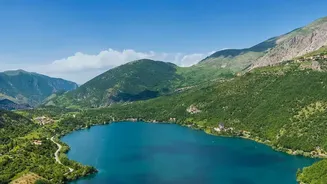
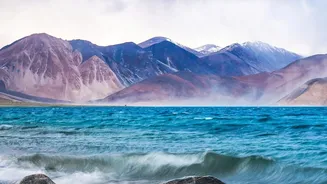
With the weather on your side, Ladakh's iconic landscapes are yours to explore. The road to the Nubra Valley via Khardung La, one of the world's highest motorable passes, is a must-do. Here, you can witness the surreal sight of sand dunes against a backdrop of snow-capped mountains and even ride the double-humped Bactrian camels. The breathtaking Pangong Tso, a high-altitude lake that shifts through mesmerising shades of blue, is another essential stop. For thrill-seekers, the Zanskar and Indus rivers offer exciting white-water rafting opportunities, with water levels ideal during these months. Trekkers can also find numerous trails open, from the popular Markha Valley trek to shorter local hikes.
A Calendar of Cultural Festivities
The monsoon season coincides with some of Ladakh's most vibrant cultural and monastic festivals. The Hemis Tsechu, typically held in June or July, is the region's largest festival, celebrating the birth of Guru Padmasambhava with colourful masked dances (cham) performed by monks. Several other monastery festivals, such as those at Phyang, Takthok, and Korzok, also take place between July and August. These events provide a fascinating glimpse into Ladakh's rich Tibetan Buddhist heritage, with locals gathering in traditional attire to partake in ancient rituals. The Ladakh Festival in September, organised by the tourism department, offers a wider showcase of the region's folk dances, music, and sports like polo and archery.
Your Essential Planning Checklist
Proper planning is key to a successful Ladakh trip. Acclimatisation is non-negotiable; upon arriving in Leh (altitude: 3,524 metres), you must rest for at least 24-48 hours to allow your body to adjust to the low oxygen levels. Inner Line Permits (ILPs) are required for visiting restricted areas like Nubra Valley, Pangong Tso, and Tso Moriri, which can be easily obtained online or through a travel agent in Leh. When packing, think in layers. Include light woollens for chilly evenings, a waterproof jacket for unexpected showers at high passes, sunscreen, and sunglasses to protect against the strong sun. Booking flights and accommodation in advance is highly recommended, as this is a popular travel period.