




An Eye in the Sky on Emissions
For decades, tracking methane emissions from oil and gas operations was a challenging and imprecise science. Fugitive emissions—unintentional leaks from pipelines, valves, and other infrastructure—were difficult to detect across vast and remote operational
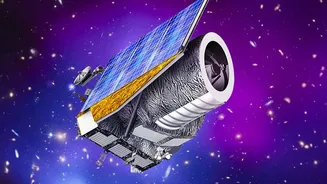
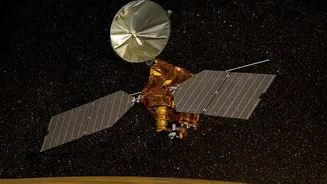
areas. Traditionally, companies relied on ground-based surveys and statistical estimations, which often failed to capture the full picture. Now, that landscape is fundamentally changing thanks to a constellation of specialized satellites. Missions like MethaneSAT, and commercial services from companies like GHGSat, are equipped with advanced spectrometers that can detect methane plumes from space with remarkable precision. These 'eyes in the sky' can monitor huge swathes of territory, pinpointing the specific source of a leak, from a single faulty valve to a major pipeline breach, and even estimate the emission rate. This provides companies and regulators with near real-time, independently verifiable data on who is emitting what, and where.
The Old System of Estimates and Penalties
Regulatory penalties for methane emissions have historically been based on these less precise, bottom-up calculations. Companies would self-report their emissions based on equipment counts and standard 'emission factors,' a system that struggled to account for unpredictable super-emitter events or the cumulative impact of many smaller leaks. Regulators, in turn, levied fines based on these broad estimates. This approach created a blunt instrument for enforcement, where penalties were often applied across the board and didn't necessarily distinguish between proactive operators and those with poor maintenance practices. The lack of granular, real-time data made it difficult to incentivize rapid repairs, as the connection between a specific leak and a specific penalty was often delayed or indirect.
From Data to Actionable Intelligence
The new satellite data flips this model on its head. Instead of relying on historical estimates, a producer can receive an alert about a significant methane plume over one of their facilities, often within days or even hours of detection. This satellite data adds a crucial layer of independent visibility to existing Leak Detection and Repair (LDAR) programs. Armed with this precise geographic information, companies can dispatch maintenance crews directly to the source of the problem, dramatically shortening the time between detection and mitigation. This ability to act quickly not only stops the loss of a valuable product—natural gas is, after all, mostly methane—but also creates a documented record of the company's response. This documentation is becoming a critical financial tool.
Rewarding the Responders
The core of this new dynamic lies in how regulatory frameworks are adapting to this technological shift. Emerging regulations, like the U.S. Environmental Protection Agency's Methane Emissions Reduction Program, are designed to impose fees on excessive emissions. Under such rules, a producer who is alerted to a leak and can demonstrate a swift and effective repair may be eligible for reduced penalties or exemptions. The satellite data serves as both the initial alert and the proof of compliance. By showing that they have systems in place to monitor for and rapidly address leaks, 'responsive producers' can avoid the full weight of fines that might be levied for persistent, unaddressed emissions. This creates a clear and powerful business case for investing in monitoring and maintenance, as the cost of repair is often far less than the combined cost of lost product and regulatory penalties.
A New Era of Transparency and Accountability
This satellite-driven transparency is creating a divide in the industry. Companies that embrace the technology and act on the data are positioning themselves as responsible operators, which can attract investors and appeal to buyers of 'responsibly sourced' gas. Those who ignore the data risk not only fines but also reputational damage, as much of this satellite information is being made publicly available by groups like MethaneSAT, an affiliate of the Environmental Defense Fund. This transparency is shifting the paradigm from a purely punitive system to one that actively rewards good behavior. It gives forward-thinking companies a way to prove their environmental performance and differentiate themselves in a competitive market, all while contributing to a significant reduction in potent greenhouse gas emissions.