






Sarson ka Saag: The Quintessential Winter Green
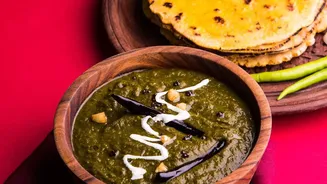
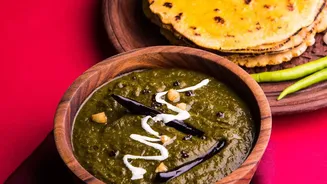
No winter in North India feels complete without the rich, earthy aroma of Sarson ka Saag. Made from mustard leaves, often blended with other greens like spinach or bathua, this dish is a seasonal powerhouse. Mustard greens are at their peak during winter and
are packed with vitamins A, C, and K, as well as iron and antioxidants. According to Ayurveda, mustard leaves have warming properties, making them ideal for colder months. The slow-cooking process, often with ginger and garlic, not only deepens the flavour but also helps in making the nutrients more available. Served with a dollop of white butter and alongside Makki ki Roti, it’s a meal that truly warms the soul.
Bajra: The Hardy Winter Millet
Bajra, or pearl millet, is a traditional winter grain for good reason. It's a dense, nutrient-rich millet that is considered a warming food because it takes longer to digest, generating heat in the process. This slow release of energy helps maintain body temperature and keeps you feeling full and energized on cold days. Rich in fibre, iron, and magnesium, bajra supports digestion, which can become sluggish in winter, and strengthens immunity. Whether you enjoy it as a rustic 'bhakri' with ghee, in a hearty 'khichdi', or as a porridge, bajra is a versatile and essential addition to a winter diet.
Gond: The Edible Gum for Energy
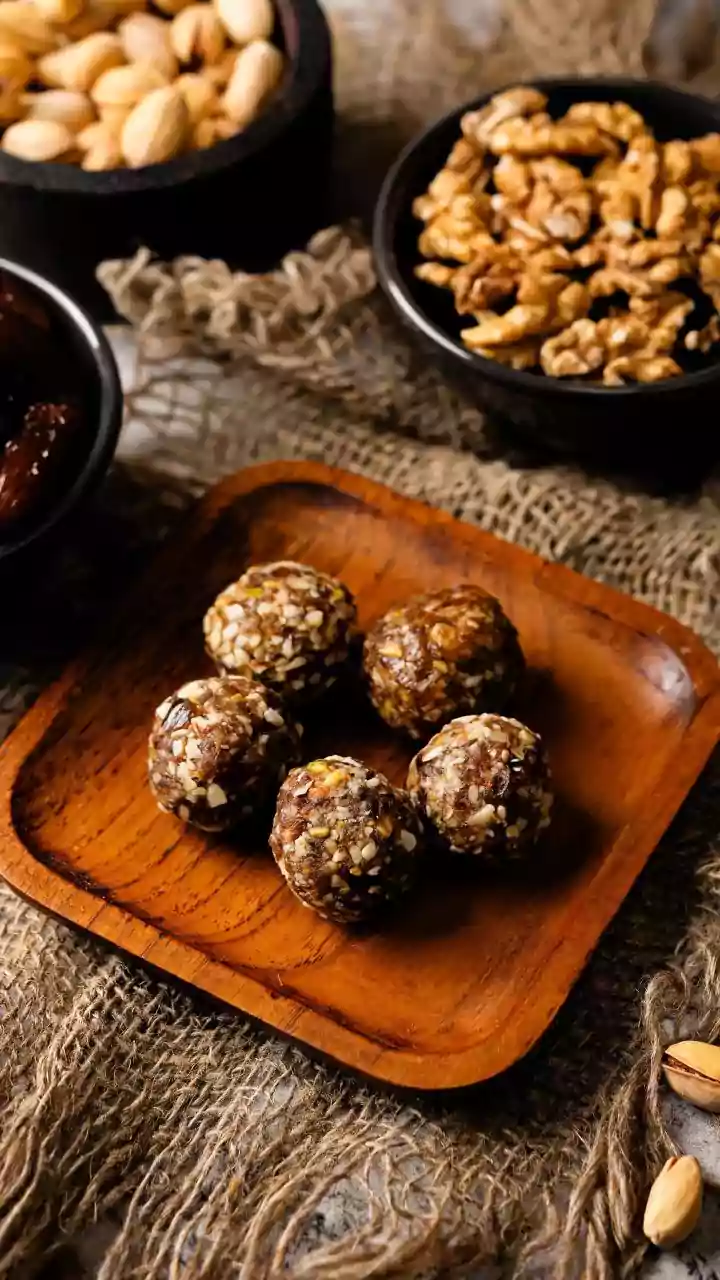
Gond, or edible gum derived from the sap of the acacia tree, is the star ingredient of a beloved winter sweet: Gond ke Ladoo. These ladoos, traditionally prepared with whole wheat flour, ghee, jaggery, and nuts, are more than just a treat; they are energy bombs designed to provide warmth and strength. Gond itself is known for its heating properties and is believed to lubricate the joints, making it beneficial during the cold, when aches and stiffness can increase. Rich in calories, healthy fats, and minerals, one or two of these ladoos in the morning can provide sustained energy and help fend off winter sluggishness.
Til: The Tiny Seed of Warmth
Come winter, and 'til' (sesame seeds) make a grand appearance in Indian kitchens, especially during festivals like Makar Sankranti. These tiny seeds are nutritional giants, packed with calcium, iron, healthy fats, and antioxidants. Ayurveda classifies sesame as a warming food that helps balance the body during the cold, dry season. The combination of til and 'gur' (jaggery) in treats like 'ladoos' or 'chikki' is a classic winter combination that provides both heat and energy. The healthy fats in sesame seeds also help in keeping the skin moisturized and preventing winter dryness.
Panjiri: The Nutritious Winter Mix
Panjiri is a crumbly, roasted mixture of whole wheat flour, ghee, nuts, seeds, and sugar or jaggery, popular in North India. Often seen as a postpartum food for recovery, it is also a powerful winter supplement for all ages. Each ingredient serves a purpose: ghee provides warmth, nuts offer protein and healthy fats, and spices like ginger powder add to its heating effect. It's a nutrient-dense food that boosts immunity, provides energy, and supports digestion. A few spoonfuls with a glass of warm milk is a traditional way to start a cold winter day, ensuring you stay warm and nourished.
Root Vegetables: The Gifts of the Earth
Winter brings an abundance of colourful and flavourful root vegetables to the market, including carrots, radishes, sweet potatoes, and yams. These vegetables are naturally suited for the season. Red carrots, famous for 'Gajar ka Halwa', are packed with beta-carotene, which the body converts to Vitamin A, supporting immunity and skin health. Radishes, often stuffed into 'parathas', are good for digestion. Sweet potatoes ('shakarkandi'), roasted and sprinkled with masala, are a delicious and fibre-rich snack. These vegetables are dense, grounding, and provide the complex carbohydrates needed for sustained energy in colder weather.
Ginger and Turmeric: The Warming Spices
While used year-round, the importance of ginger and turmeric skyrockets in winter. Both are renowned for their warming and anti-inflammatory properties. Ginger is a friend to the respiratory system, helping to clear congestion and soothe sore throats, making it a key ingredient in winter teas and 'kadhas'. Turmeric, with its active compound curcumin, is a potent antioxidant and immunity booster, traditionally added to warm milk ('haldi doodh') to ward off infections. Incorporating these fresh roots into daily cooking not only adds flavour but also provides a natural defence against common winter ailments.