




The Old World: A Short, Finite Life
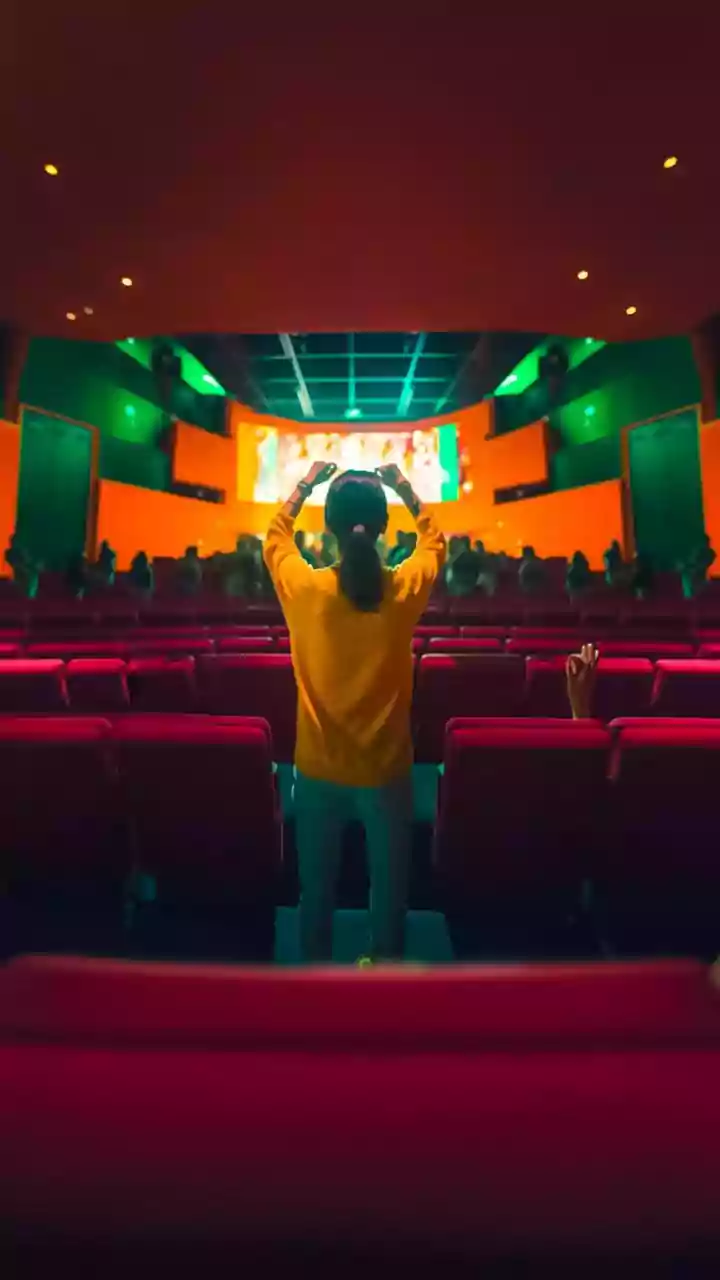
For decades, the lifecycle of an Indian film followed a predictable and finite path. Success was measured almost exclusively by its theatrical run, particularly the all-important opening weekend collections. A film would arrive on a Friday, and by Monday,
its fate—hit, flop, or average—was largely sealed. After its time in cinemas, which could be weeks for a blockbuster or mere days for a dud, it would have a satellite television premiere months later and then largely disappear, save for occasional reruns. This model was built on scarcity; you had to catch the film while it was in theatres, creating event-level excitement but also leaving countless movies behind.
The Streaming Disruption: A Second Act
Over-the-top (OTT) platforms like Netflix, Amazon Prime Video, and Disney+ Hotstar have completely rewritten these rules. With an estimated 665 million online video viewers in India in 2026, streaming is no longer a niche but a mainstream force. These platforms offer films what theatres never could: a permanent, accessible home. A movie no longer vanishes after its theatrical run; it simply moves to a different, more personal screen. This has created the phenomenon of the 'second life', where a film's journey truly begins for many viewers only after it lands on a streaming service, often eight weeks or more after its cinema debut.
From Box Office Flop to Streaming Sensation
One of the most fascinating revelations of our new streaming habits is the redemption of the 'box office flop'. Films like 'Laapataa Ladies', 'Tumbbad', 'An Action Hero' and '12th Fail' underperformed in theatres but exploded in popularity once they reached OTT. Word-of-mouth, which once had a limited window to save a struggling film, now works its magic over weeks and months on social media. Viewers, free from the financial risk of a movie ticket, are more willing to experiment with a film that has good online buzz. This digital afterlife allows thoughtful, unconventional, or poorly marketed films to find their intended audience, proving that box office numbers are no longer the sole arbiter of a movie's worth.
The Power of the Long Tail
Streaming thrives on what is known as the 'long tail'—a vast library of niche content that, in aggregate, can be as valuable as a few mainstream hits. In the physical world of limited cinema screens, a small regional film or a documentary had little chance of a wide release. On a streaming platform, it can sit in the library indefinitely, waiting to be discovered by the right viewer through algorithmic recommendations. This has democratised access for both filmmakers and audiences. Viewers can explore cinema from different regions and languages, and small-budget creators can reach a national, or even global, audience without a massive marketing budget.
Redefining Success and Risk
This shift has forced the industry to redefine success. While a theatrical blockbuster is still the ultimate goal, a film's long-term streaming performance, its ability to drive subscriptions, and its cultural staying power are now crucial metrics. However, this has also led to a complex new dynamic. In 2026, streaming platforms have become more cautious, often tying their final payout for a film's rights to its box office performance. The era of OTT being a guaranteed safety net for any film is fading. Instead, a hybrid model is emerging where theatrical success is paramount to securing a lucrative digital deal, re-emphasizing the cinema experience for big-event films while positioning OTT as the home for everything else. This makes audiences more selective about what they’ll pay to see in a theatre, reserving it for spectacles, while consuming other movies at home.