





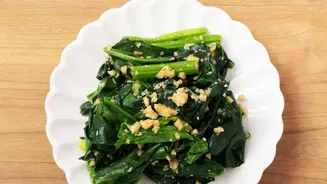

We all know we should eat our greens, but the debate between raw and cooked can be confusing. Do you lose all the goodness by cooking them? The truth is a bit more complex—and it's actually good news for fans of a warm meal.
The Raw vs. Cooked Confusion
In the world of wellness, 'raw'
is often seen as the ultimate badge of honour. The common thinking is that heat destroys nutrients, so eating vegetables in their natural state is always superior. While there's some truth to this, it's not the whole story. When it comes to leafy greens like spinach, kale, and collards, applying heat can be a game-changer, transforming them in ways that are surprisingly beneficial for your body. The choice isn't about one being 'good' and the other 'bad', but rather understanding the trade-offs and how cooking can work in your favour.
The Upside of Heat: Unlocking Nutrients
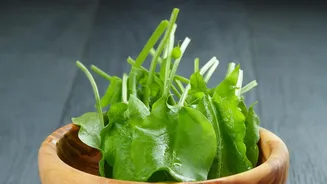
Cooking does something magical: it helps break down the tough cell walls of plants. This process can make certain nutrients more bioavailable, meaning your body can absorb and use them more easily. For example, your body can absorb more of the minerals like calcium, iron, and magnesium from cooked spinach than from raw. Heat also boosts the availability of antioxidants like beta-carotene, which the body converts into Vitamin A. Another major benefit of cooking is the reduction of oxalates. These naturally occurring compounds, found in high levels in greens like spinach and Swiss chard, can bind to minerals and prevent their absorption. For some people, high oxalate intake can also contribute to the formation of kidney stones. Cooking significantly reduces oxalate levels, especially when boiled or steamed.
The Downside: What Nutrients Are Lost?
Of course, cooking isn't without its losses. The nutrients most vulnerable to heat are water-soluble vitamins, particularly Vitamin C and some B vitamins like folate. Because these vitamins dissolve in water, methods like boiling can cause them to leach out of the vegetables and into the cooking water. Even a few minutes of boiling can significantly reduce the Vitamin C content in spinach. However, it’s worth keeping this in perspective. Many dark leafy greens are so packed with Vitamin C to begin with that even after cooking, they can still offer a substantial amount. Fat-soluble vitamins like A, E, and K, on the other hand, are much more stable during cooking.
The Best Ways to Cook Your Greens
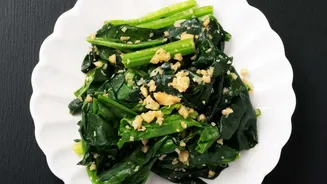
To get the best of both worlds—unlocked minerals and preserved vitamins—your cooking method matters. Steaming is often considered one of the best methods because it cooks the vegetables gently without submerging them in water, thus retaining more of the water-soluble nutrients like Vitamin C. Sautéing and stir-frying are also excellent choices. They use minimal liquid and short cooking times, which helps preserve vitamins while making minerals more available. If you do boil your greens, consider using the leftover nutrient-rich cooking water in soups or sauces to reclaim some of the lost vitamins. The key is to avoid overcooking; cook them just until they are wilted but still have a vibrant colour.
Making Them Deliciously Simple
The most nutritious leafy green is the one you'll actually eat. The good news is that cooking makes it easier to consume a larger quantity of greens. A huge pile of raw spinach can cook down to just a few spoonfuls, making it a simple way to increase your intake. To enhance the flavour of your cooked greens, try sautéing them with a bit of garlic and olive oil. A squeeze of lemon juice after cooking not only adds brightness but its Vitamin C can help your body absorb the iron in the greens. Adding them to soups, stews, and egg dishes is another easy way to incorporate them into meals you already enjoy.