


What Exactly Is Jackfruit Seed Flour?
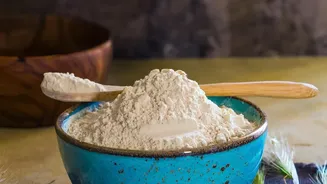
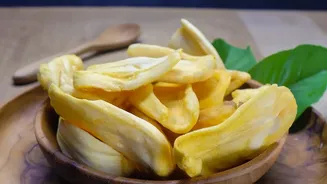
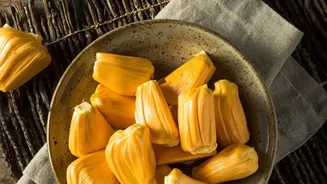
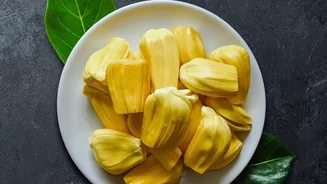
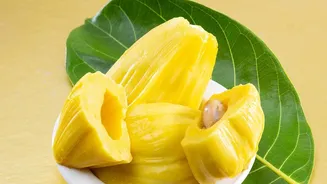
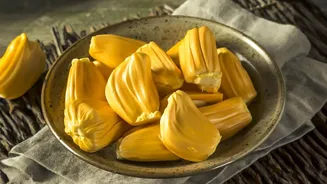
For ages, the jackfruit has been a beloved part of Indian cuisine, celebrated for its fleshy pulp. But its seeds were often discarded. Jackfruit seed flour is made by simply collecting, cleaning, drying, and grinding these seeds into a fine powder. This
process transforms an underutilised agricultural byproduct into a valuable and versatile kitchen staple. Native to the Western Ghats of India, the jackfruit tree is now cultivated across many tropical regions, making its seeds an abundant and sustainable resource. This innovative use of the seeds addresses food waste, turning what was once discarded into a nutrient-dense food source.
A Nutritional Powerhouse
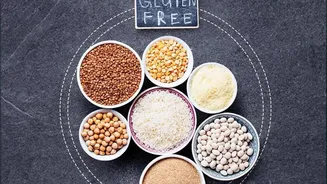
The excitement around jackfruit seed flour is largely due to its impressive nutritional profile. It is naturally gluten-free, making it an excellent option for individuals with celiac disease or gluten sensitivity. What truly sets it apart is its high protein content, which is notably greater than many other gluten-free flours like rice or tapioca flour. Research shows the seeds contain between 12% to 17% protein. Beyond protein, the flour is a rich source of dietary fibre, complex carbohydrates, and essential minerals such as potassium, magnesium, and iron. It also contains beneficial plant compounds like flavonoids and polyphenols, which have antioxidant properties.
Taste, Texture, and Cooking
When introducing a new flour, the key questions are always about taste and performance. Jackfruit seed flour has a mild, slightly nutty flavour that doesn’t overpower dishes, making it suitable for both sweet and savoury recipes. Because it's gluten-free, it behaves differently than wheat flour. It has good binding and water absorption properties but lacks the gluten needed for structure in baked goods like bread. This means that while it works well, it can result in denser textures if used as a complete substitute for wheat flour. For this reason, many recipes suggest blending it with other flours.
How to Use It In Your Kitchen
Getting started with jackfruit seed flour is easy. A good rule of thumb is to begin by substituting a small portion—around 10-25%—of the regular flour in your recipes. This approach allows you to boost the nutritional content without drastically changing the texture of the final product. It works wonderfully in traditional Indian breads; you can mix it with wheat flour to make nutrient-rich rotis or parathas. Its thickening properties make it a great addition to soups, stews, and curries. For baking, it can be incorporated into recipes for cookies, muffins, and pancakes, often yielding the best results when used in blends of up to 25%. There are even recipes for traditional sweets like modak using jackfruit seeds.
The Sustainability Angle
Choosing jackfruit seed flour is also a vote for sustainability. Jackfruit seeds make up a significant portion of the fruit's total weight—around 10-15%—and are typically thrown away during processing. By creating a market for the flour, we incentivise the use of the entire fruit, significantly reducing food waste. This practice not only provides an additional source of income for farmers but also promotes a more circular and efficient food system. Some research even explores using jackfruit seed starch to create biodegradable packaging, further highlighting its eco-friendly potential.