






The Big Picture: What's Changing?
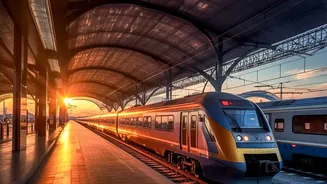
Gujarat is in the midst of a significant railway overhaul, with dozens of projects underway aimed at modernizing its network. Key initiatives include the doubling of existing tracks, gauge conversion, and the complete electrification of the broad-gauge
network. One of the most impactful developments is the Western Dedicated Freight Corridor (WDFC), a high-speed goods line that runs through the state. By shifting freight trains off conventional tracks, the WDFC frees up immense capacity for new and faster passenger services, which is the real game-changer for travellers. This separation of goods and passenger traffic is designed to reduce congestion, improve punctuality, and allow for more trains to run on popular routes.
The Bullet Train Effect
The most anticipated project is the Mumbai-Ahmedabad High-Speed Rail corridor, popularly known as the bullet train. While the full launch is still a few years away, the first section in Gujarat, between Surat and Bilimora, is targeted for commissioning in 2027. Once fully operational, the bullet train will cut the journey time between Ahmedabad and Mumbai to just over two hours, making a day trip or a quick weekend in the metro city a practical reality. The project is progressing rapidly, with significant work completed on viaducts and stations across Gujarat, signaling a new era of high-speed travel is on the horizon.
New Weekend Escapes by Rail
These upgrades aren't just about reaching big cities faster; they're making a host of other destinations more accessible for short trips. Track doubling projects, like the one on the Vishwamitri-Dabhoi line, will improve connectivity to tourist spots like the Statue of Unity. The addition of third and fourth lines between Vadodara and Ratlam will enhance services towards Madhya Pradesh, potentially bringing destinations like the hill station of Pachmarhi within easier reach for a long weekend. Similarly, improved connections to Rajasthan can shorten the journey to popular spots like Udaipur and Mount Abu, turning what was once a lengthy overnight trip into a more comfortable ride. The regularisation of services like the Ajmer-Mysuru Express also strengthens north-south connectivity through Gujarat.
More Trains, More Choices
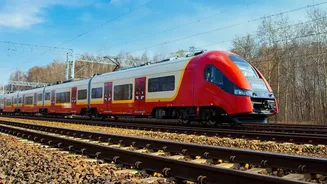
The direct benefit of this expansion is an increase in the number of available trains. Track doubling on routes like Adipur-Bhuj is specifically intended to facilitate additional passenger services. As the WDFC absorbs more goods traffic, railway authorities expect to add dozens of new passenger trains on the newly freed-up conventional lines. This means more options, reduced waiting lists, and greater flexibility when planning a spontaneous trip. Western Railway has already been extending special train services to manage passenger rush on key routes like Vadodara-Gorakhpur and Mumbai-Ahmedabad, a trend likely to continue as capacity grows.