




A Pitch That Refused to Break
The primary culprit for the draw was a Basin Reserve pitch that transformed from a classic green seamer into a batting paradise. On Day 1, the surface offered something for the Indian pacers, who initially had New Zealand struggling. However, as the match
wore on, the grass browned, the bounce became predictable, and any demons in the pitch vanished. By Day 4 and 5, it had become a lifeless track, offering minimal assistance to bowlers. This lack of deterioration meant that taking 20 wickets was always going to be a monumental task, regardless of the pressure applied.
India's Record-Breaking Batting Marathon
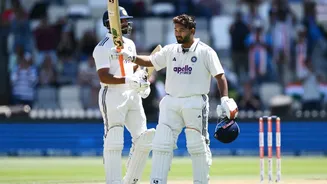
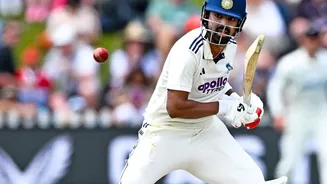
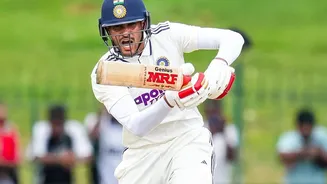
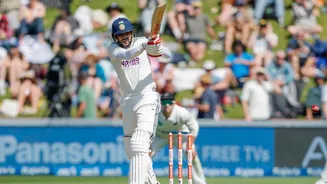
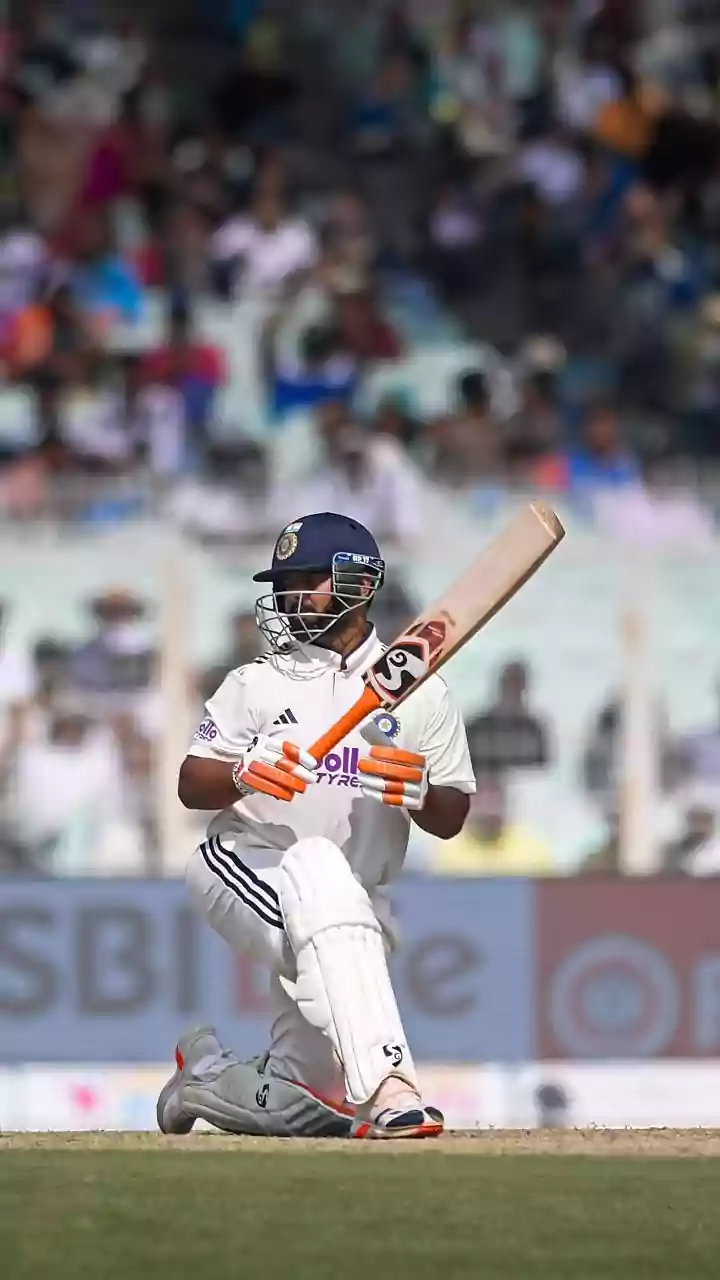
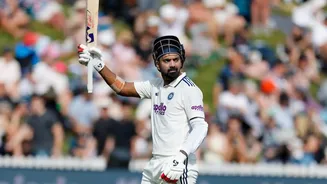
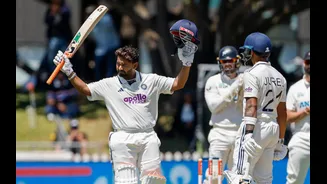
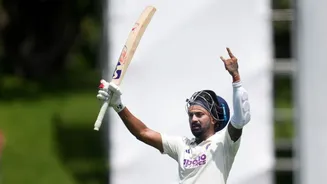
India's first innings was a masterclass in accumulation that ultimately took a significant amount of time out of the game. Piling on a mammoth 720 for 9 declared, they batted deep into Day 4. This innings featured a remarkable seven consecutive partnerships of 50 or more runs, a new record in Test cricket. While this secured a massive first-innings lead of 352, it also meant New Zealand had to be bowled out in roughly four and a half sessions. Key centuries from KL Rahul and Rishabh Pant, alongside half-centuries from Shubman Gill, Yashasvi Jaiswal, Devdutt Padikkal, and Dhruv Jurel, showcased India's dominance but also ate up the clock, a crucial factor in the final outcome.
New Zealand's Stubborn Resistance
Faced with a massive deficit, New Zealand's batters showed immense resolve. After a competitive first-innings total of 368, their second-innings effort was all about survival. On the final day, needing to bat through to save the match, Daryl Mitchell and Glenn Phillips put on a classic blockathon. Mitchell faced 187 balls for his unbeaten 49, while Phillips defended 126 deliveries for his 26 not out. Their unbeaten partnership consumed time and frustrated the Indian bowlers, who found little encouragement from the dead pitch. This defensive masterclass ensured the hosts denied India the victory they were pushing for.
The Missing Final Push
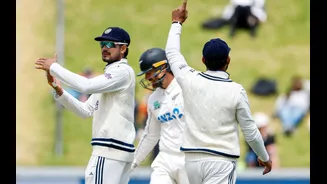
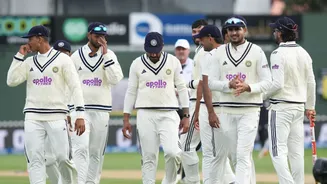
While India’s bowlers toiled hard on the final day, they couldn't find the breakthroughs needed. After picking up the wickets of Devon Conway and Rachin Ravindra in the morning session on Day 5, the well ran dry. The Indian attack, which had looked so potent on Day 1, was blunted by the combination of a flat surface and the determination of the Kiwi batters. Captain Shubman Gill rotated his bowlers, and even used part-timers like Yashasvi Jaiswal, but to no avail. With runs becoming irrelevant, New Zealand simply shut up shop, and with no signs of a collapse, the captains shook hands to accept the draw with an hour of play still remaining.