






The End of Misleading Claims?
India's food regulator, the Food Safety and Standards Authority of India (FSSAI), is cracking down on what it deems to be misleading front-of-pack claims by food companies. In recent weeks, it has issued notices to several well-known brands for alleged
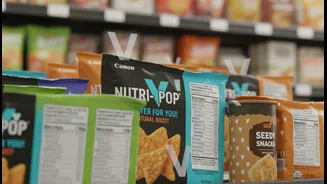
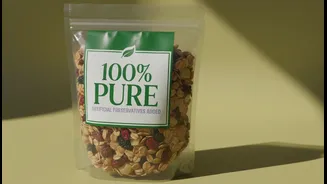
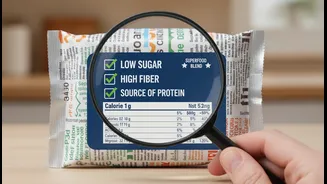
discrepancies between splashy marketing claims and the actual contents listed in the fine print. Companies have been questioned over the use of phrases like "100% Natural" on products that contain synthetic ingredients or "Premium Chocolate" on items containing hydrogenated vegetable fats. This crackdown isn't just about policing a few words; it signals a much larger shift in how food information is presented to the 1.4 billion consumers in India. The goal is to close the gap between what a package promises and what the product delivers, ensuring you can trust what you see on the shelf.
A Public Health Imperative
The push for clearer labels is rooted in a growing public health crisis. India is facing a surge in non-communicable diseases (NCDs) like diabetes, obesity, and heart disease, with a significant portion of the country's total disease burden now linked to unhealthy diets. Experts point to the increased consumption of packaged and ultra-processed foods, which are often high in salt, sugar, and fat, as a major contributor. The World Health Organization and public health advocates argue that simple, easy-to-understand front-of-pack labels (FoPL) are a crucial tool to combat this trend. They can help consumers quickly identify unhealthy products and make healthier choices, a strategy that has seen success in countries like Chile and Mexico. The argument is simple: you can't choose healthier food if you don't know what you're eating.
The Great Label Debate: Stars vs. Warnings
This brings us to the "bigger story": the move from labels that simply state risk to those that provide utility. For years, the debate has centered on the best way to present this information. FSSAI has been leaning towards an 'Indian Nutrition Rating' (INR) system, which is a version of the Health Star Rating (HSR). This model rates a product from half a star to five stars based on its overall nutritional profile, balancing 'negative' nutrients like sugar and fat against 'positive' ones like fibre and protein. However, this approach is highly controversial. Many public health experts and consumer groups argue that the star system is confusing and can be manipulated by the industry. They warn that a product high in sugar could still get a decent star rating by adding some 'positive' ingredients, creating a misleading "health halo". These groups strongly advocate for clear warning labels—like a black stop sign—that explicitly state when a product is 'High in Sugar,' 'High in Salt,' or 'High in Fat'.
From Risk to Real-World Utility
The core of FSSAI's new approach is a philosophical shift. Traditional nutrition labels on the back of the pack are technical and often ignored. They present risk information (grams of fat, mg of sodium) without context. The goal of a modern FoPL system is to provide utility—a quick, interpretive guide that helps a shopper make a decision in seconds. A warning label offers the utility of a clear, direct 'stop and think' signal. A star rating, in theory, offers the utility of a quick comparison between two similar products. The controversy lies in which form of utility is more effective and less prone to misinterpretation by consumers and manipulation by manufacturers. Critics of the star system believe its attempt to balance good and bad nutrients is a flawed concept, arguing that you can't offset the harm of excess sugar with a sprinkle of nuts or fibre.
What This Means for Your Grocery Cart
While the final form of India's front-of-pack labels is still being debated, the crackdown on misleading claims is already happening. As a consumer, this means you can expect more scrutiny on the health claims you see on packaging. Brands are being pushed to ensure their marketing is scientifically sound and legally compliant. Regardless of whether India adopts stars or warnings, the era of unchecked and often confusing health claims appears to be ending. The FSSAI's actions suggest a future where the front of the pack is as truthful as the ingredient list on the back. For now, the best defence is a healthy dose of skepticism and the habit of reading beyond the marketing slogans to the nutrition panel itself.