





A New Mandate for Passenger Safety
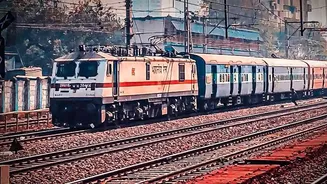
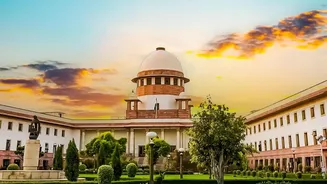
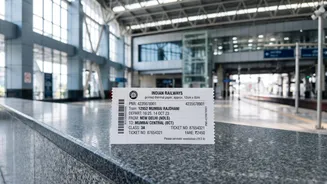
In a significant move to enhance passenger security, the Supreme Court of India has directed Indian Railways to include travel insurance with all tickets sold at station counters, effective October 27, 2026. Until now, this low-cost insurance was an optional
extra for those booking tickets online through the IRCTC portal. The court’s decision came during proceedings related to the tragic 2023 Odisha train accident, highlighting the need to provide a financial safety net for all passengers, particularly those from lower economic strata who often purchase tickets offline and were previously excluded from this benefit. The ruling makes insurance an essential component of every ticket sale at a physical counter, holding the Railway Board directly accountable for its implementation.
Understanding the 'Cover' Amount
When you hear about travel insurance, the first thing that often comes to mind is the 'cover' or the total sum insured. For the existing optional scheme for online tickets, this headline figure is typically ₹10 lakh. This amount represents the maximum financial protection offered by the policy. It is the highest possible payout, designed to provide substantial support in the most catastrophic circumstances, such as death or a life-altering permanent disability resulting from a train accident during the journey. While this large number provides peace of mind, it is not a lump sum that gets paid out for any and every incident. It is the ceiling of the policy's benefits, not the standard payment.
Cover vs. Claim: A Crucial Distinction
Here lies the core of what every passenger must understand: the total insurance 'cover' is not the same as the 'claims payment' for a specific incident. An insurance policy is a contract with specific terms. It does not promise the maximum cover for every claim. Instead, it outlines a structured schedule of benefits, where the payment amount is directly tied to the severity and nature of the harm suffered. Think of the ₹10 lakh cover as the roof of a house; the actual support you get depends on which room you are in. A minor injury will not trigger the same payout as a permanent disability, even though both are covered under the same policy. The court's order makes it more important than ever for travellers to grasp this distinction.
Decoding the Tiers of Payment
The travel insurance offered with train tickets operates on a tiered compensation system. Based on the current scheme for online tickets, the payouts are clearly defined. For example, while death or permanent total disability may trigger the maximum ₹10 lakh claim, a permanent partial disability is compensated at a lower amount, such as ₹7.5 lakh. For injuries requiring hospitalisation, the policy provides coverage for expenses up to a certain limit, often around ₹2 lakh. The policy also includes a smaller, fixed amount, typically ₹10,000, for the transportation of mortal remains. Each of these is a separate claims payment under the umbrella of the total cover. The insurance is designed to provide specific, proportionate relief, not a single windfall.
What This Means For You
With the Supreme Court's new mandate, millions more passengers will now have this insurance. For online bookings, the premium is a nominal 45 paise, and while the exact cost for counter tickets is yet to be finalized, it is expected to be similarly affordable. However, being insured automatically does not remove the need for awareness. The primary takeaway is that this insurance is a valuable safety net, not a lottery ticket. It provides crucial financial support according to a predefined schedule of losses. It is also important to remember that this policy is separate from the statutory compensation that Indian Railways is liable to pay under the Railways Act, 1989. This insurance is an additional layer of protection provided by a dedicated insurance company.