






What Exactly Is El Niño?
Think of El Niño as a large-scale disruption of the ocean-atmosphere system in the tropical Pacific. Normally, trade winds push warm surface water towards Asia. During an El Niño, these winds weaken, causing the warm water to shift eastward, towards the coast
of South America. This change in ocean temperature, which can last for several months, triggers a cascade of effects on weather patterns globally. Forecasts for the current 2026 event suggest it is strengthening and could become a 'strong' or even 'very strong' event, peaking towards the end of the year. For India, this isn't just a distant weather report; it’s a critical variable for its economy.
The Critical Monsoon Connection
India's agriculture, economy, and daily life are deeply intertwined with the annual southwest monsoon, which delivers about 70% of the country's rainfall. Historically, El Niño years have often been linked to weaker monsoons and below-average rainfall in India. The warming of the Pacific alters atmospheric pressure and can suppress the formation of rain clouds over the subcontinent. The India Meteorological Department (IMD) has already forecast below-normal rainfall for August and September 2026. Some estimates suggest the current monsoon could be the weakest in nearly two decades, potentially ending with a significant deficit. This shortfall in rain during the crucial latter half of the season raises serious concerns for agriculture and water resources.
From Parched Fields to Price Hikes
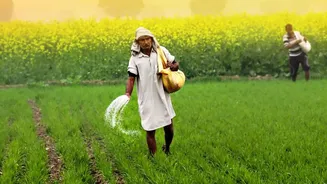
The most immediate and widespread impact of a weak monsoon is on agriculture. A significant portion of India's farmland is rain-fed, making it highly vulnerable to rainfall deficits. The current Kharif (summer) crops, such as rice, pulses, oilseeds, cotton, and corn, are at a critical growth stage and require adequate moisture. A lack of rain can lead to lower yields, hitting farmers' incomes hard. This doesn't just stay on the farm; it quickly translates to the marketplace. Lower production creates supply constraints, which can drive up food prices. Food items are a major component of India's Consumer Price Index, meaning a poor harvest can fuel inflation across the entire economy, affecting the budget of every household.
The Broader Economic and Health Ripple Effects
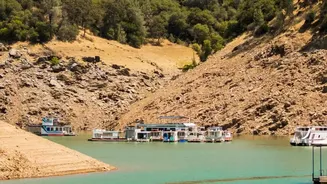
The costs of El Niño extend beyond the farm gate. Lower agricultural output can dampen rural demand for goods and services, slowing down a key engine of the national economy. The government might also face fiscal pressure from the need to provide relief to farmers and potentially import food to stabilize prices. Furthermore, there are significant impacts on the energy and health sectors. Reduced rainfall leads to lower water levels in reservoirs, which can curtail hydropower generation. Health risks also rise. Intense heatwaves, often associated with El Niño, increase the chances of heatstroke and dehydration, especially among the vulnerable. Changes in rainfall patterns can also create breeding grounds for mosquitoes, raising the risk of vector-borne diseases like dengue and malaria.