






Breaking Down the Numbers
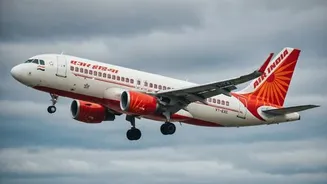
The loss figure for the six months ending September 30, 2026, was revealed through financial disclosures by Singapore Airlines (SIA), which holds a 25.1% stake in the carrier. SIA reported its share of Air India's losses at approximately S$361.7 million
(around Rs 2,640 crore). Extrapolating from SIA's minority stake, the total loss for the airline is estimated to be in the region of Rs 10,500 to Rs 10,800 crore. While still a massive deficit, this indicates a slight improvement, as the loss is about 16% lower than the estimated Rs 12,500 crore loss incurred in the same period last year. This comes after Air India reported a consolidated loss of over Rs 22,000 crore for the full financial year that ended in March 2026.
The High Cost of Transformation
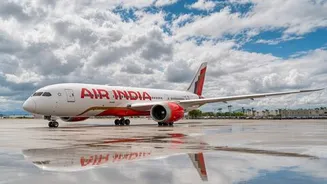
This loss isn't occurring in a vacuum; it's a direct consequence of the monumental and costly transformation underway since the Tata Group took control in January 2022. The airline is in the middle of its ambitious Vihaan.AI five-year plan, which involves a top-to-bottom overhaul. Key expenses driving the losses include the ongoing integration of Vistara and AirAsia India, the refurbishment of old aircraft cabins, and massive investments in new technology and IT systems. Furthermore, the airline is managing one of the largest aircraft orders in aviation history, with over 500 new planes still to be delivered, requiring significant capital outlay.
External Headwinds and Operational Hurdles
Beyond internal strategic spending, Air India has been battling severe external pressures. A sharp rise in jet fuel prices has significantly driven up operating expenditure. Geopolitical instability, including conflicts in the Middle East and airspace closures over Pakistan, has forced the airline to use longer, more expensive flight routes to Europe and North America, impacting both fuel consumption and operational efficiency. These challenges have been compounded by global supply chain disruptions that have delayed the retrofitting of aircraft interiors, a key component of its plan to improve customer experience. These factors have added billions to the airline's operational costs.
A Long-Term Bet on the Future
Despite the heavy losses, both the Tata Group and partner Singapore Airlines frame the situation as a necessary, albeit painful, investment. In July 2026, Tata Sons Chairman N. Chandrasekaran revised the turnaround timeline from five years to a more realistic 'five-to-ten-year journey', acknowledging that rebuilding a legacy carrier is a marathon, not a sprint. Singapore Airlines has also reiterated that while the transformation will take time, Air India has made 'tangible progress' in improving its operations and customer experience. The strategy is to absorb these upfront costs to build a profitable, world-class airline in the long run, capable of dominating one of the world's fastest-growing aviation markets.
The Road Ahead
The focus for Air India's new CEO, Tewolde Gebremariam, who took charge in September 2026, is now firmly on cost discipline and operational efficiency. The airline has established teams to identify cost-saving opportunities and is working to create synergies between Air India and Air India Express. While the path to profitability remains challenging, the narrowing half-year loss suggests that some of the initial restructuring efforts may be starting to yield results. The coming years will be critical in determining whether these colossal investments and strategic shifts can successfully steer the Maharaja back to sustained profitability and global prominence.