






The Invisible Intruder in Our Homes
They are called microfibres, and they are a type of microplastic. These tiny plastic threads, smaller than a grain of rice, break off from synthetic textiles like polyester, nylon, and acrylic. Every time we wash our clothes, sit on our couches, or even
just walk on a synthetic carpet, these fibres are released. A single load of laundry can shed hundreds of thousands of fibres. These particles are too small to be completely filtered out by wastewater treatment plants, so they flow into our rivers, lakes, and oceans. From there, they are ingested by fish and other marine life, eventually making their way up the food chain and onto our plates. While research into the long-term health effects is ongoing, studies suggest these particles can cause inflammation and may carry toxic chemicals.
Rethink Your Laundry Routine
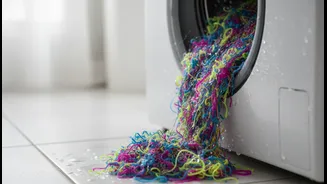
Laundry is the single biggest source of microfibre pollution from households. But a few simple changes can dramatically reduce the number of fibres your clothes shed. First, wash less often. Spot-clean stains instead of running a full cycle whenever possible. When you do wash, opt for full loads, as this reduces friction between clothes. Use cold water and shorter wash cycles; heat and longer agitation cause more fibres to break off. If you have a top-loading machine, be aware that they can cause more shedding than front-loading models. For a more direct intervention, consider using a special laundry bag or ball designed to capture microfibres during the wash, or installing an external filter on your washing machine, which can trap up to 90% of fibres.
Choose Your Fabrics Consciously
The most effective long-term solution is to reduce the amount of synthetic material in your home. When buying new clothes, bedding, or upholstery, prioritise natural fibres like cotton, linen, wool, and hemp. These materials are biodegradable and do not release plastic microfibres. Synthetic fabrics like polyester, fleece, and acrylic are among the worst offenders for shedding. While it’s not practical for most people to replace their entire wardrobe overnight, you can make a gradual shift. As synthetic items wear out, replace them with natural-fibre alternatives. This change not only cuts down on future plastic pollution but also reduces your reliance on materials derived from fossil fuels.
Beyond the Washing Machine
While laundry is a primary culprit, it's not the only source of microfibres at home. Dust in our homes is often composed of a significant amount of plastic fibres from carpets, curtains, and furniture. Regular vacuuming, especially with a machine that has a HEPA filter, can trap these airborne particles and prevent them from being inhaled or settling on surfaces. When it comes to cleaning, swap out synthetic sponges and cloths for versions made from cotton or other plant-based materials. In the kitchen, be mindful of plastic cutting boards, utensils, and food containers, which can shed particles into your food, especially when heated. Opting for wood, bamboo, glass, or stainless steel alternatives can further reduce your household's plastic footprint.