



India’s Next Interplanetary Frontier
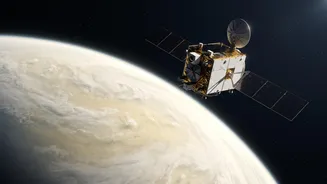
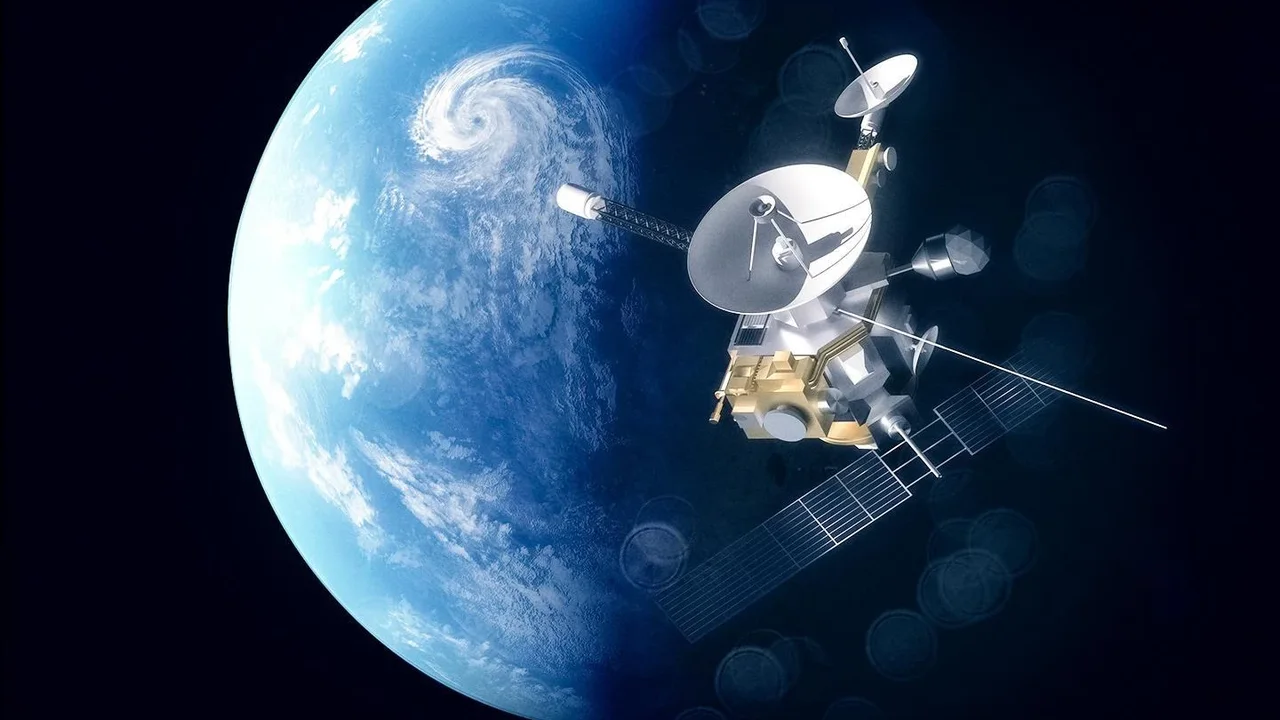
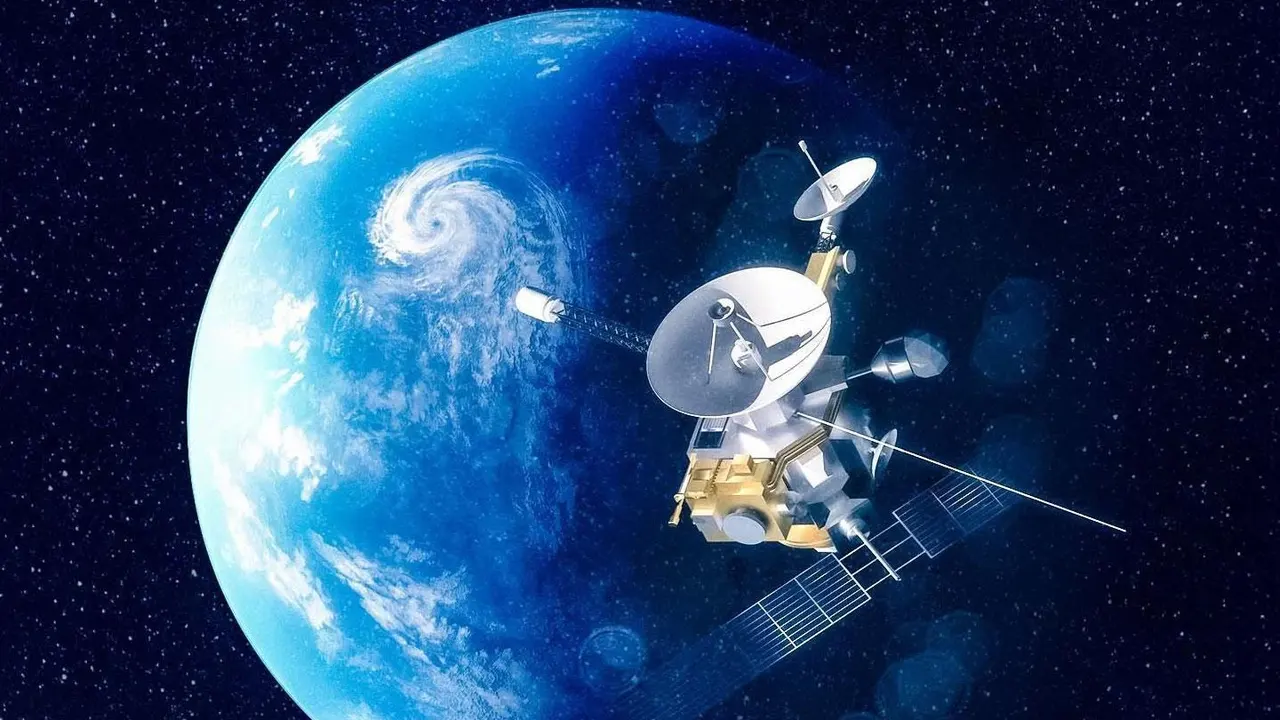
Following the resounding success of its Mars Orbiter Mission (Mangalyaan) and the Chandrayaan moon missions, the Indian Space Research Organisation (ISRO) is setting its sights on our other planetary neighbour. Shukrayaan-1, which translates to "Venus
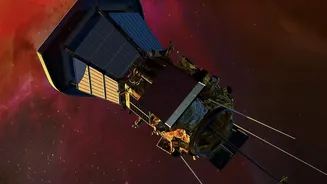
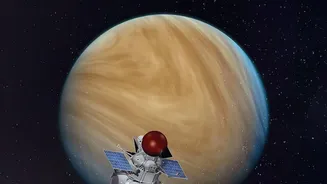
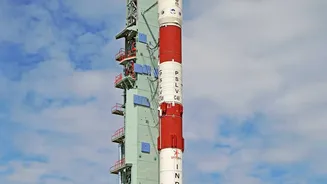
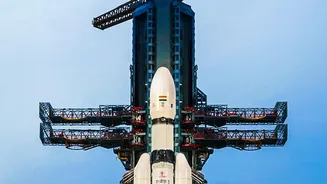
Craft," is India's first dedicated mission to Venus. Formally approved by the Indian government in September 2024, the mission is scheduled for a March 29, 2028 launch aboard the powerful LVM-3 rocket. After a journey of 112 days, the orbiter will enter a large elliptical orbit around Venus, beginning a four-year mission to systematically unravel the planet's many mysteries. This venture places India in an elite club of space agencies that have targeted Venus, showcasing the nation's growing prowess in deep-space exploration and technology.
The Enigma of a Runaway Greenhouse
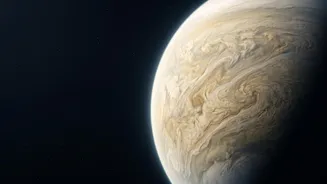
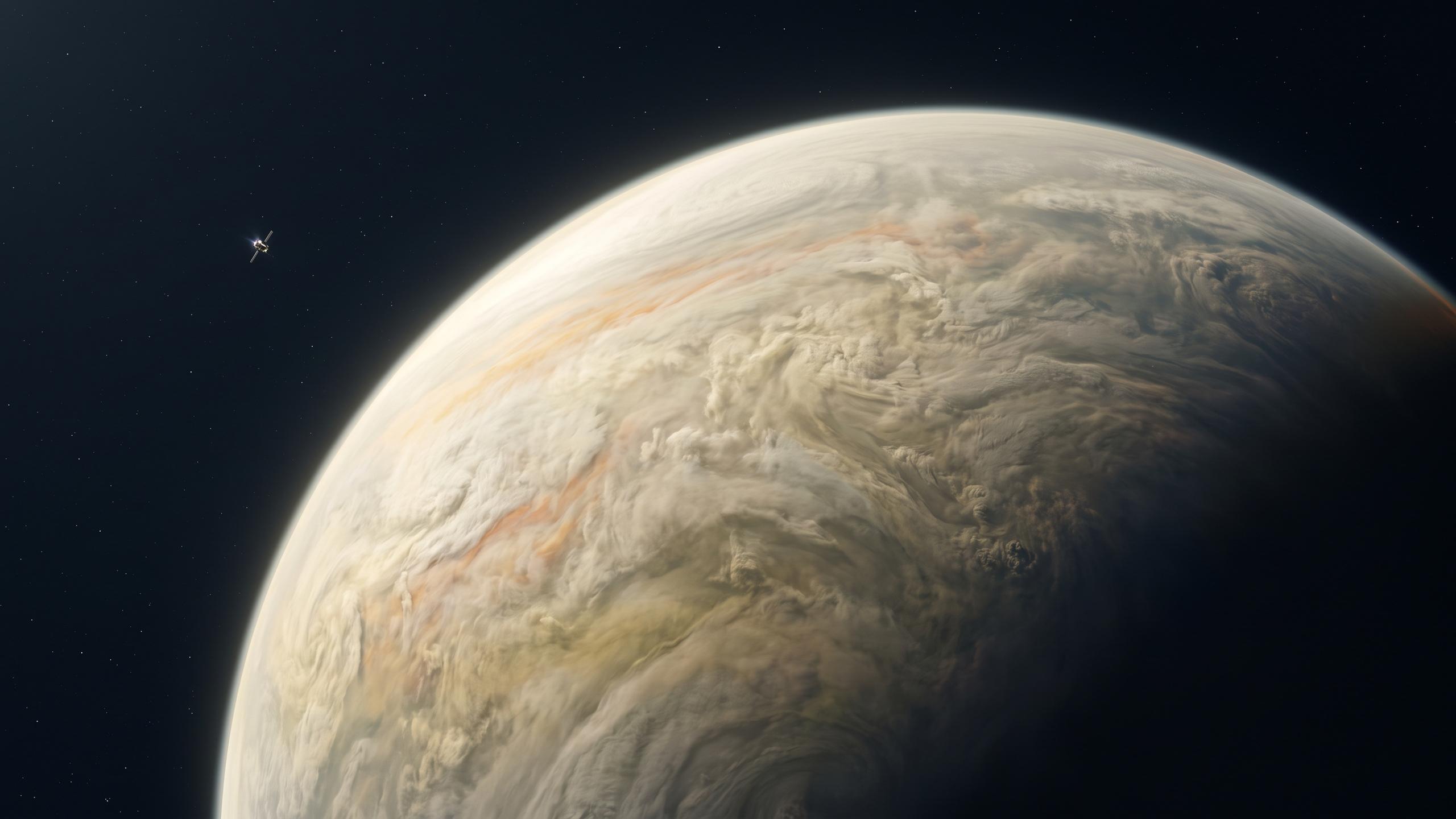
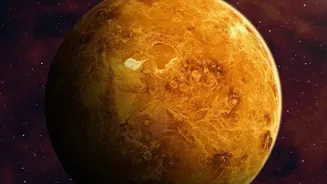
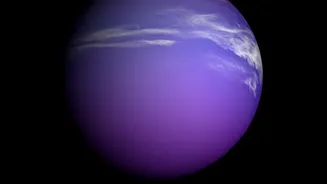
Venus presents a profound scientific puzzle. Though similar in size and composition to Earth, it evolved into a hellish landscape. Its atmosphere is over 90 times denser than Earth's and composed almost entirely of carbon dioxide, creating a runaway greenhouse effect that pushes surface temperatures to a staggering 460°C — hot enough to melt lead. The planet is perpetually covered by thick clouds of sulphuric acid, which has made studying its surface incredibly difficult. Scientists are desperate to understand why and how Venus became so different from Earth. Doing so provides a natural laboratory for studying extreme climate models, offering cautionary insights into the long-term effects of greenhouse gases on our own planet.
A Toolkit for Revolution
What makes Shukrayaan a potential game-changer is its advanced suite of instruments, designed to see the planet in ways no mission has before. The headline instrument is a high-resolution Synthetic Aperture Radar (SAR), which can pierce through the dense clouds to map the planet's surface with a resolution four times greater than NASA's Magellan mission from the 1990s. Even more revolutionary is the inclusion of a ground-penetrating radar, an instrument that will, for the first time ever, map the subsurface of Venus. This could reveal ancient lava flows, buried craters, and other geological structures essential to understanding the planet's volcanic history. Other instruments, developed with international partners from Sweden, Russia, and Germany, will study the atmospheric composition, dynamics, and the interaction of the Venusian ionosphere with solar wind.
Unlocking Planetary Secrets
The data from Shukrayaan won't just tell us about Venus; it will fundamentally improve our understanding of how rocky, Earth-sized planets form and evolve. By studying why our 'twin' planet took such a divergent path, scientists can refine models of planetary habitability. This knowledge is crucial not only for understanding our own solar system but also for interpreting data from the thousands of exoplanets being discovered around other stars. Many of these distant worlds may resemble Venus, and Shukrayaan's findings will provide critical context. Furthermore, the mission will investigate atmospheric phenomena like the planet's mysterious 'super-rotation'—where the atmosphere circles the planet sixty times faster than the planet itself rotates—and search for signs of active volcanism, a key driver of planetary geology.