



The Problem with Plastic
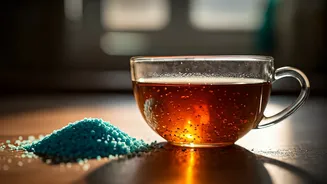
Plastic lunch boxes are lightweight, cheap, and everywhere. However, their convenience comes with concerns. Many plastic containers contain industrial chemicals like bisphenol A (BPA) and phthalates. These substances, used to make plastic hard or flexible,
can act as endocrine disruptors, potentially interfering with the body's hormones. The risk of these chemicals leaching into your food increases significantly when the plastic is heated, such as in a microwave, or comes into contact with hot, oily, or acidic foods. Even containers marked "BPA-free" may use substitute chemicals like BPS or BPF, which some research suggests could have similar health effects. Over time, plastics can also develop micro-scratches, stain, and retain odours, making them harder to clean and potentially creating a breeding ground for bacteria.
The Stainless Steel Solution
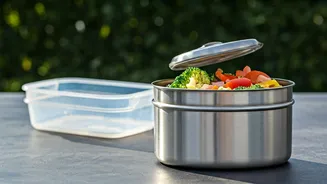
For a durable, safe, and reliable alternative, look no further than stainless steel. A long-trusted material in Indian kitchens, stainless steel is non-toxic and does not leach chemicals into your food, even when it's hot. High-quality, food-grade stainless steel (like grades 304 or 18/8) is non-porous, meaning it won't absorb stains or odours from your curries and spices. This makes it exceptionally hygienic and easy to clean. Steel tiffin boxes are also incredibly durable and can withstand daily use without cracking or breaking, making them a fantastic long-term investment. While traditionally not microwave-safe, many modern steel tiffins are insulated to keep food warm for hours, and some innovative new designs are even becoming microwave-safe.
Glass and Silicone: Other Safe Bets
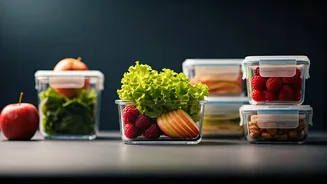
Glass containers are another excellent, non-toxic choice. Being chemically inert, glass won't stain, smell, or leach anything into your food, ensuring it tastes exactly as it should. A key advantage is that you can easily see what's inside, and most glass containers are safe for both the microwave and the dishwasher. However, glass is heavier and more fragile than steel, making it less ideal for children or a long commute. Food-grade silicone has also emerged as a popular lightweight and flexible option. It is temperature-resistant, meaning it can go from the freezer to the microwave, and is generally considered safer than plastic as it doesn't contain BPA or phthalates and won't break down into microplastics. It is often used for leak-proof seals on steel or glass lids.
Modern Features to Look For
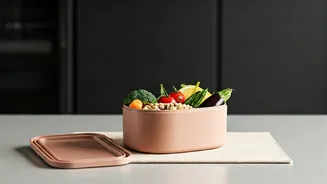
Today's tiffin boxes offer much more than just storage. Bento-style compartments are a major trend, allowing you to pack a varied meal with different dishes—like dal, rice, and a dry vegetable—without them mixing. This is perfect for portion control and keeping flavours distinct. Leak-proof technology, often using silicone seals, is another crucial feature, preventing spills in your bag. For those who don't have access to a microwave at work or school, insulated or vacuum-sealed tiffin boxes are a game-changer, promising to keep your home-cooked meals hot for several hours. Many now come as complete sets with matching cutlery and separate small containers for dips or dressings.