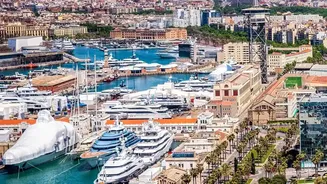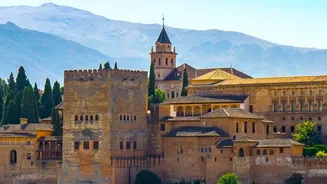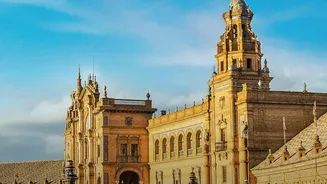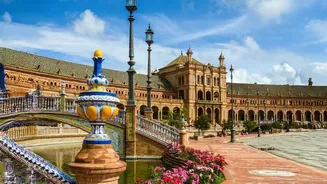






Spain's sun-drenched beaches and historic cities have long made it a top global destination. But what happens when the number of visitors becomes overwhelming? Across the country, a phenomenon known as 'overtourism' is reaching a boiling point.
The Sheer Scale of the Situation
Overtourism
occurs when the sheer volume of visitors strains a destination's resources, degrades the environment, and diminishes the quality of life for local residents. In Spain, this is not a new problem, but it has intensified dramatically. With the rise of low-cost airlines and short-term rental platforms, destinations like Barcelona, the Balearic Islands (Mallorca and Ibiza), and the Canary Islands are experiencing unprecedented levels of seasonal crowding. Barcelona alone sees visitor numbers that are more than 15 times its residential population annually. This influx, while a powerful engine for the economy, is pushing local infrastructure and communities to their limits.
Flashpoints of Frustration
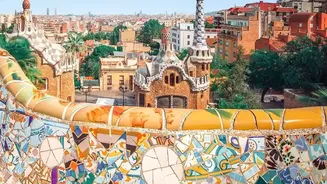
The friction between tourists and locals has erupted into public protests in several key areas. In the Canary Islands, tens of thousands have marched to demand a more sustainable tourism model, as a third of the residents were at risk of poverty in 2023. In Barcelona, slogans like 'Your holidays, my misery' have become common as residents protest the gentrification of their neighbourhoods. The core of the frustration often lies in the housing crisis. Property owners find it far more profitable to rent to tourists, which drives up rental prices and pushes long-term residents out. In some parts of Mallorca, it's reported that nearly one-third of residential properties have been converted for tourist use, many of them illegally.
The Economic Double-Edged Sword
No one denies the economic importance of tourism to Spain; it contributes significantly to the country's GDP. The industry supports countless jobs and businesses. However, locals argue that the benefits are not always worth the cost. Many of the jobs created are seasonal, low-paid, and precarious. Meanwhile, the cost of living skyrockets. Public services like sanitation, transportation, and healthcare are placed under immense pressure. The environmental toll is also significant, with concerns over water shortages, pollution, and damage to natural habitats, especially in the fragile ecosystems of the Balearic and Canary Islands.
The Search for Sustainable Solutions
In response to the growing unrest, Spanish authorities are beginning to take action, though many activists feel the measures are not enough. Several regions have introduced or increased tourist taxes, with the revenue intended to fund environmental projects and improve local infrastructure. Barcelona has been particularly active, limiting the size of tour groups, banning cruise ships from its central docks, and announcing a plan to phase out all short term rental licences by 2028. In party hotspots like Magaluf and parts of Ibiza, strict rules now curb late night alcohol sales, pub crawls, and disruptive behaviour. A national 'Tourism Strategy 2030' aims to shift the focus from quantity to quality, promoting lesser known regions and encouraging more sustainable travel practices.